
Is a Robot Mower Worth It?
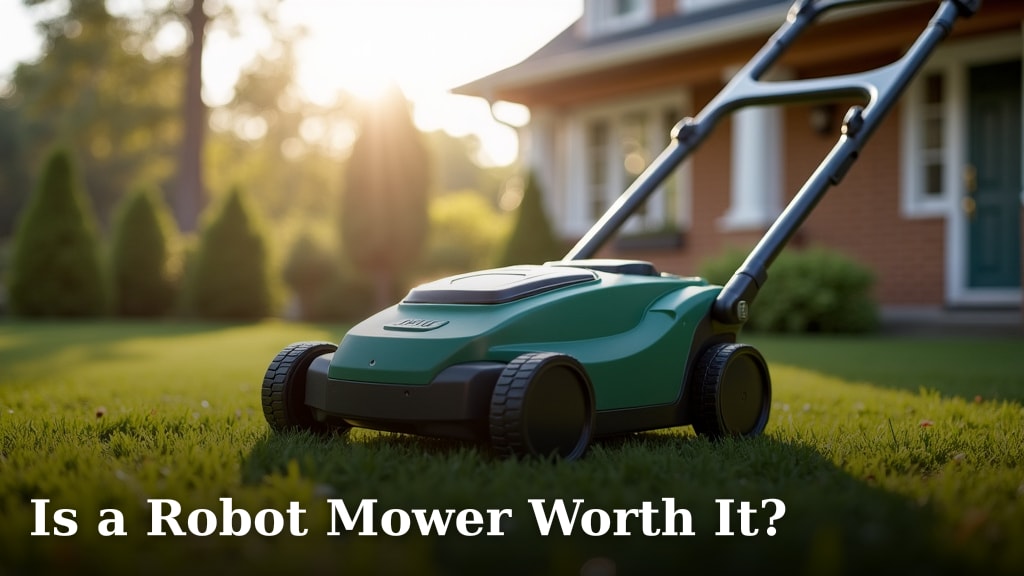
Yes, a robot mower is worth it for many homeowners looking to save time and effort on yard work. These devices offer convenience and can keep your lawn consistently trim, making them a smart investment for a well-maintained yard with minimal personal input.
You might be wondering if a robot mower can truly handle your lawn, or if it’s just another gadget. We found that these smart machines are becoming increasingly popular for their ability to automate a common chore. They provide a hands-free mowing experience, freeing up your weekends for other activities.
- Robot mowers save you significant time.
- They keep your lawn consistently neat.
- Initial cost can be high, but consider the long-term benefits.
- Not every lawn is suitable for a robot mower.
- Maintenance is minimal, but still required.
So, is a robot mower right for your home? Let’s dive into all the details and see if one of these clever contraptions deserves a spot in your garage.
Is a Robot Mower a Smart Investment for Your Yard?
So, you’re thinking about joining the robot revolution in your backyard. Is it truly a smart move? We found that for many homeowners, a robot mower offers a significant return on investment, not just in money, but in time and peace of mind.
Imagine never pushing a lawnmower again. That’s the promise. But like any technology, it has its pros and cons. We’ll help you weigh them.
The Upsides: Why Robot Mowers Shine
Let’s start with the good stuff. What makes these little machines so appealing? We found several key benefits that make them stand out.
Unbeatable Convenience and Time Savings
This is probably the biggest draw. You program it, and it mows. It’s that simple. Think about how much time you spend on yard work now.
Robot mowers give you that time back. You can spend weekends with family, on hobbies, or just relaxing. Many people find this freedom incredibly valuable.
It’s like having a tiny, tireless gardener. It works while you sleep or while you’re at work. Your lawn always looks neat without you lifting a finger.
Consistently Beautiful Lawn Quality
Unlike a weekly mow, robot mowers cut frequently. This means they only snip off a tiny bit of grass each time. This “little and often” approach is actually much better for your lawn’s health.
This frequent mowing encourages denser, healthier growth. It also helps prevent weeds from taking hold. Your grass will look consistently green and well-manicured (Cornell University Extension).
The finely cut clippings are mulched back into the lawn. This acts as a natural fertilizer, feeding your grass nutrients. No need to bag clippings either, which is a huge time-saver.
Quiet Operation and Eco-Friendly Benefits
Traditional gas mowers are loud and produce emissions. Robot mowers are electric. They are incredibly quiet, often no louder than a normal conversation.
You can run them early in the morning or late at night without disturbing neighbors. This quiet operation is a huge bonus, especially in suburban areas.
Being electric, they produce zero emissions. This is better for the environment and for your own air quality. You’re reducing your carbon footprint while maintaining your lawn.
The Downsides: What to Consider Before Buying
It’s not all sunshine and perfect lawns. Robot mowers have some limitations. It’s important to understand these before you commit.
Initial Cost and Installation Complexity
Robot mowers are an investment. The upfront cost is higher than a traditional push mower. Prices vary widely, but expect to pay several hundred to over a thousand dollars.
Many models require installing a boundary wire. This wire tells the mower where to cut and where to stop. It can be a DIY project, but it takes time and careful planning.
For larger or more complex yards, you might need professional installation. This adds to the overall cost. Think about whether you’re comfortable with this setup process.
Limitations for Certain Lawn Types
Not every lawn is ideal for a robot mower. They are generally best for relatively flat, uncluttered yards.
Steep slopes can be a challenge. Most models have limitations on the incline they can handle. If your yard is very hilly, you might need a specialized (and more expensive) model.
Also, lots of obstacles like garden beds, trees, or play equipment can confuse some mowers. While they have sensors, a highly intricate yard might require more manual intervention.
Ongoing Maintenance and Security Concerns
While they save you mowing time, robot mowers still need some attention. Blades need occasional changing, and the machine itself needs cleaning.
You’ll also need to keep your lawn clear of debris. Sticks, toys, or pet waste can damage the mower or get in its way. A quick check before it runs is often a good idea.
Theft can be a concern, as these are valuable items left outdoors. Many come with security features like PIN codes and GPS tracking. Research shows theft rates vary by area (Consumer Reports).
Comparing Robot Mowers to Traditional Options
To really decide if a robot mower is worth it, let’s put it next to its counterparts. How does it stack up against pushing a gas mower or hiring a service?
| Feature | Robot Mower | Traditional Push Mower (Gas/Electric) | Professional Lawn Service |
|---|---|---|---|
| Effort Required | Minimal (set it and forget it) | High (manual pushing, refueling) | None (they do everything) |
| Time Savings | Significant (hours per week) | None (you do the work) | Significant (you pay for it) |
| Lawn Quality | Excellent (frequent, fine cuts) | Good (depends on frequency/skill) | Excellent (professional care) |
| Noise Level | Very Low | High | Moderate to High |
| Environmental Impact | Zero Emissions (electric) | Emissions (gas) / Low (electric) | Emissions (gas equipment) |
| Initial Cost | High ($500 – $3000+) | Low ($150 – $500) | None (monthly service fee) |
| Ongoing Cost | Electricity, blade replacement | Fuel/Electricity, maintenance | Monthly fee (can be high annually) |
What Makes a Lawn “Robot Mower Ready”?
Before you get too excited, consider your actual yard. Is it a good fit? We found that certain characteristics make a lawn particularly well-suited for these devices.
Ideal Lawn Characteristics
Your lawn’s size and complexity play a big role. Robot mowers excel in certain environments.
- Relatively Flat Terrain: Gentle slopes are fine, but very steep hills can be problematic. Most manufacturers specify a maximum incline.
- Simple Layout: Fewer obstacles like trampolines, flower beds, or decorative rocks mean fewer places for the mower to get stuck.
- Medium to Large Size: While small models exist, they often shine in larger yards where manual mowing is a significant chore.
- Well-Maintained Edges: Robot mowers often can’t cut right up to the edge. You might still need to do some trimming around borders.
Obstacles to Watch Out For
Be honest about your yard’s challenges. What might give a robot mower trouble?
Things like shallow roots, uneven ground, or sudden drops can be issues. Also, remember that stray objects like garden hoses or toys can be run over or cause the mower to get stuck.
If you have many narrow passages, check the mower’s ability to navigate them. Some advanced models can handle complex layouts better than others.
The Long-Term Value: Is it More Than Just Convenience?
You might be thinking, “This sounds great, but is it worth the money over time?” We found that the value extends beyond just saving time.
Consider the cumulative hours you save over a year, or five years. That time has a monetary value. Plus, the consistent care often leads to a healthier, more attractive lawn, which can boost your home’s curb appeal.
The reduced noise and environmental benefits also add to its long-term appeal. It’s a choice that impacts your lifestyle and your surroundings.
Checklist: Is a Robot Mower Right for You?
To help you decide, here’s a quick checklist. If you answer “yes” to most of these, a robot mower might be a fantastic fit for your home.
- Do you dislike mowing your lawn or find it time-consuming?
- Is your lawn mostly flat with only gentle slopes?
- Are you looking for a consistently neat and healthy lawn?
- Are you willing to invest in the initial cost?
- Can you keep your lawn relatively free of clutter and obstacles?
- Do you value quiet operation and eco-friendly solutions?
Conclusion
Deciding if a robot mower is worth it comes down to your priorities and your yard’s unique needs. We’ve seen that while the initial cost is higher and some lawns aren’t ideal, the benefits of convenience, a consistently beautiful lawn, and eco-friendly operation are very compelling. If you value your time and desire a pristine lawn with minimal effort, a robot mower could be a truly transformative addition to your home.
Evaluate your lawn, consider the long-term value, and you might just find that this smart investment frees up your weekends for good.
Frequently Asked Questions
How long do robot mowers typically last?
With proper maintenance, most robot mowers are built to last between 5 to 10 years. The battery life is often the first component to degrade, usually requiring replacement after 2-4 years, similar to other rechargeable devices.
Do robot mowers work in the rain?
Many modern robot mowers are designed to be weather-resistant and can operate in light rain without issue. However, most models have rain sensors and will return to their charging station during heavy downpours to protect the electronics and prevent damage to your lawn.
Can a robot mower really replace all my lawn care?
While a robot mower handles the primary task of cutting grass, it doesn’t entirely eliminate all yard work. You’ll still need to do some edging, occasional trimming around obstacles it can’t reach, and keep your lawn clear of debris for optimal performance.
Are robot mowers safe for pets and children?
Most robot mowers come equipped with safety features, such as lift sensors that stop the blades if the mower is picked up or tilted. They also have collision sensors to detect obstacles. However, it’s always recommended to supervise children and pets, especially when the mower is operating.
What’s the typical size of a lawn a robot mower can handle?
Robot mowers come in various models designed for different lawn sizes, ranging from small urban yards (up to 0.25 acres) to very large properties (over an acre). Check the manufacturer’s specifications for the recommended maximum mowing area to ensure it matches your lawn’s size.
