
What Is a Zero-turn Mower?
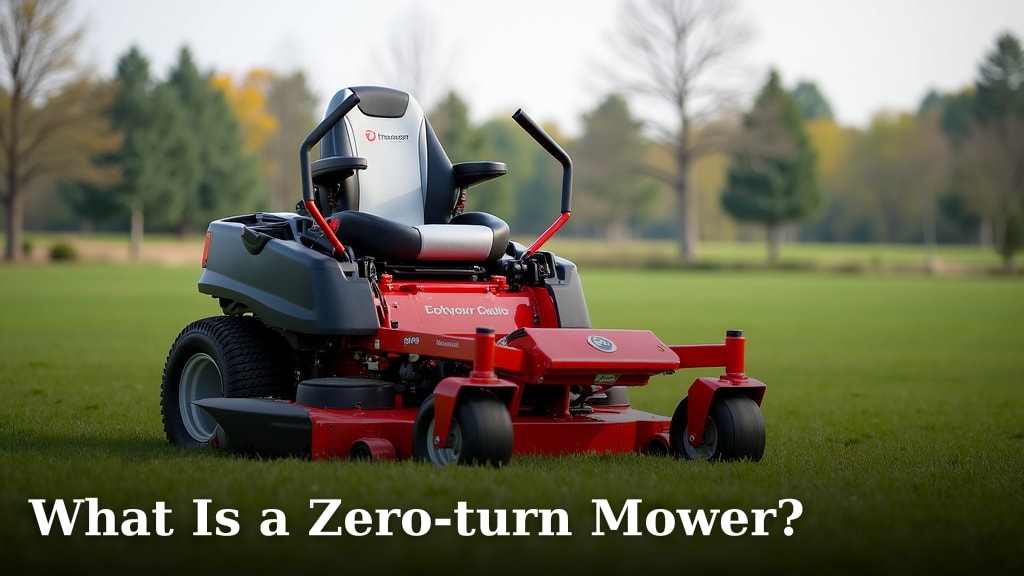
A zero-turn mower is a type of riding lawn mower designed for maximum maneuverability, allowing it to turn in its own footprint. This means you can easily make tight turns around obstacles like trees and flower beds.
Unlike traditional riding mowers with steering wheels, zero-turn mowers use lap bars or joysticks to control each drive wheel independently. This innovative steering gives you precise control over your mowing path. It helps you get a perfectly manicured lawn in less time.
TL;DR:
- Zero-turn mowers offer superior maneuverability.
- They use lap bars for independent wheel control.
- You can make turns in their own footprint.
- Great for large yards with many obstacles.
- Helps you mow faster and more efficiently.
Ready for a smoother mow? We’ll break down everything you need to know about what makes these mowers so special.
Understanding Zero-Turn Mowers
A zero-turn mower is a specialized riding lawn mower. It’s designed for unmatched maneuverability. Its key feature allows it to turn 360 degrees in its own footprint, offering precise control over your mowing path.
How Do Zero-Turn Mowers Work?
The magic of a zero-turn mower lies in its unique steering system. Unlike traditional mowers with a steering wheel, these machines use two independent levers or joysticks. Each lever controls a drive wheel on its side. Pushing both forward makes you go straight. Pushing one forward and pulling the other back makes you pivot sharply.
This independent control means you can make incredibly tight turns. You can truly spin around without leaving any uncut grass. This precision is a huge time-saver, especially for yards with many obstacles.
When you sit in a zero-turn, it might feel a bit like driving a tank, but in a good way! You get a real sense of command over the machine. It takes a little practice, but most people get the hang of it quickly.
Key Components of a Zero-Turn Mower
Let’s take a quick peek “under the hood” at what makes these mowers tick.
- Powerful Engine: Zero-turns often feature robust engines (V-twin is common). They provide ample power for larger decks and tough grass.
- Hydrostatic Transmissions: These transmissions are vital for smooth, independent wheel control. Many models boast dual hydros, one for each drive wheel.
- Durable Cutting Decks: Decks are typically heavy-duty, designed for wide cutting swaths. They often come with multiple blades for a clean cut.
- Comfortable Seating: Since you spend a lot of time on these, good seating with suspension and armrests is common, especially on higher-end models.
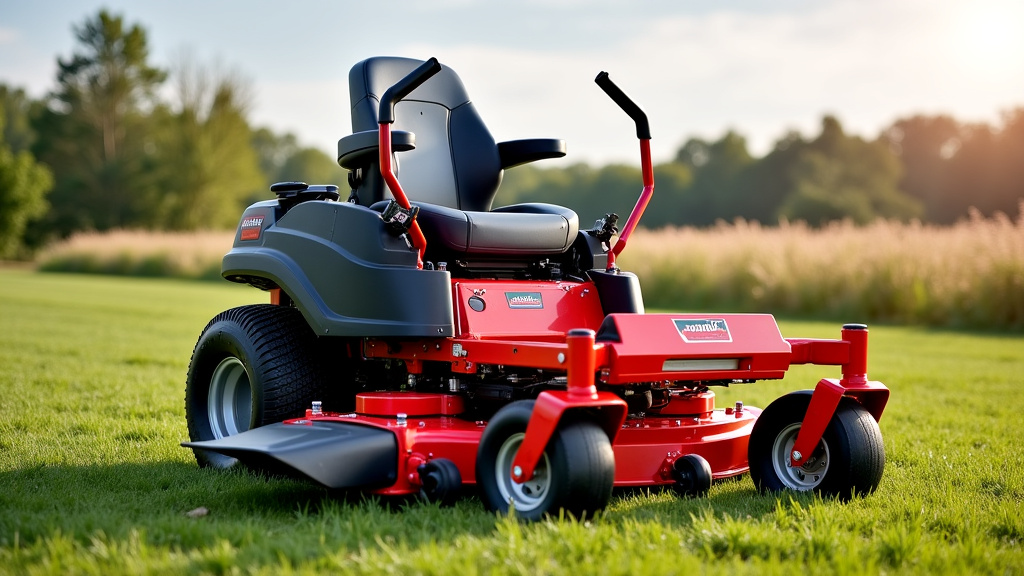
- Lap Bars or Joysticks: These are your primary controls. They replace the steering wheel and pedals of traditional mowers.
- Caster Wheels: At the front, these wheels swivel freely. They allow for easy rotation during turns.
We found that understanding these basic parts helps you appreciate the engineering behind these efficient machines. It’s all about delivering power and precision directly to the wheels and blades.
Advantages of Using a Zero-Turn Mower
When you switch to a zero-turn mower, you unlock several benefits. You’ll likely notice the difference on your first mow. They truly simplify yard work in many ways.
Time Savings and Efficiency
Imagine cutting your mowing time by 20% or even 50%. Many users report this kind of improvement (Consumer Reports). Zero-turn mowers are faster for several reasons:
- Less Overlapping: Their precise turning abilities mean fewer missed strips of grass. You cut a cleaner path on the first pass.
- No More Three-Point Turns: With a zero-turn, you simply pivot at the end of a row. This eliminates awkward backing up and repositioning.
- Higher Speeds: Many zero-turns can reach faster ground speeds than garden tractors. This lets you cover more ground in less time.
Think of it like this: a zero-turn is like a race car for your lawn. It’s built for speed and agility, not just brute force. This speed doesn’t come at the expense of a good cut, either.
Superior Maneuverability and Precision
This is where zero-turns truly shine. You can navigate tight spaces that would be a nightmare for a regular tractor. Do you have a lot of trees, garden beds, or pathways to mow around? A zero-turn handles them with grace.
Their ability to turn on a dime is incredibly useful. You can trim closely around obstacles. This often reduces the need for secondary string trimming. That’s another task you can scratch off your list!
The control feels very intuitive once you’re used to it. You guide the mower almost as an extension of your own body. It’s quite satisfying to execute a perfect turn.
Enhanced Cutting Quality
Many zero-turn mowers are known for delivering a consistently excellent cut. Their rigid decks and optimized blade tip speeds contribute to this. The independent wheel control also helps keep the deck level across uneven terrain.
Because you’re not constantly making wide turns, your cutting path remains smooth and even. This results in a professional-looking lawn every time. Your neighbors might even ask if you hired a landscaper!
Who Benefits Most from a Zero-Turn Mower?
While anyone can use a zero-turn, certain situations make them an especially smart choice. Is your yard a good fit? Let’s find out.
Larger Lawns with Obstacles
If your property is a half-acre or more, a zero-turn becomes a serious contender. The larger your lawn, the more time savings you’ll experience. We often see owners of 1-5 acre properties loving their zero-turns.
Properties with many trees, flower beds, or complex landscaping are ideal. The tight turning radius saves you from constant back-and-forth maneuvers. Imagine less trimming around all those backyard features.
If your yard is mostly open, flat, and under an acre, a traditional lawn tractor might still suffice. However, a zero-turn can still cut your time down significantly, even on simpler landscapes.
Professional Landscapers and Commercial Use
You’ll often see commercial landscaping crews using zero-turn mowers. There’s a good reason for this. Their speed, efficiency, and durability are crucial for businesses.
Commercial models are built for heavy daily use. They feature stronger components, more powerful engines, and enhanced comfort for operators. For a pro, time is money, and zero-turns save both.
Zero-Turn Mower Checklist: Is It Right for You?
Thinking about making the switch? This quick checklist can help you decide if a zero-turn is your next best lawn care partner:
- Your lawn is 0.5 acres or larger.
- Your yard has many trees, garden beds, or other obstacles.
- You want to reduce your mowing time significantly.
- You desire a very precise, professional-looking cut.
- You are comfortable learning a new steering system.
- You value maneuverability over towing heavy attachments.
If you’ve checked off most of these, a zero-turn mower is very likely a great option for your lawn care needs. It could transform your weekends!
Comparing Zero-Turn Mowers to Other Riding Mowers
How do zero-turns stack up against their riding mower cousins? It helps to see them side-by-side.
Zero-Turn vs. Lawn Tractor
Lawn tractors are what most people think of as riding mowers. They have a steering wheel, foot pedals, and a front-mounted engine. They’re good all-around machines for medium-sized yards.
| Feature | Zero-Turn Mower | Lawn Tractor |
|---|---|---|
| Steering | Lap bars/joysticks, independent wheels | Steering wheel, front wheels turn |
| Maneuverability | Excellent (zero-radius turns) | Good (wide turns) |
| Speed | Generally faster cutting speeds | Moderate cutting speeds |
| Best Use | Large, obstacle-rich yards | Medium to large, open yards |
| Towing/Attachments | Limited; usually light accessories | Good for towing carts, dethatchers, etc. |
| Learning Curve | Slightly higher initially | Very easy |
As you can see, the main difference boils down to maneuverability and task specialization. Lawn tractors are often better “utility” machines. Zero-turns focus on efficient mowing.
We found that for pure mowing performance on tricky lawns, the zero-turn usually wins. If you need to pull things or clear snow, a lawn tractor might be more versatile. It really depends on your property and tasks.
Zero-Turn vs. Garden Tractor
Garden tractors are the heavy-duty cousins of lawn tractors. They boast stronger frames, more powerful engines, and heavier-duty transmissions. They’re built for demanding tasks beyond just mowing.
Garden tractors can handle ground-engaging attachments like plows, tillers, and large snow blowers. They are the workhorses of the lawn and garden world. They compromise on maneuverability for pure power and versatility.
A zero-turn, while powerful for cutting, won’t typically handle these kinds of ground-engaging tasks. It’s important to match the tool to the job. If you just want a pristine lawn fast, the zero-turn is your friend.
We’ve discussed why these incredible machines are so popular. Now, let’s explore some common types you might encounter as you start your search.
Conclusion
Choosing the right mower makes a real difference in your lawn care routine. We’ve seen how zero-turn mowers offer unmatched efficiency and precision, especially for larger or obstacle-filled yards. While there’s a slight learning curve, the time savings and superior cut quality often make them a worthwhile investment. You gain back precious weekend hours and achieve a truly professional-looking lawn.
Consider your property’s size and layout. If a zero-turn aligns with your needs, you’re ready to experience a whole new level of mowing satisfaction. Start researching models today to find your perfect match!
Frequently Asked Questions
Are zero-turn mowers difficult to learn how to drive?
Most people find that zero-turn mowers take a little practice to master. The independent lap bar controls are different from a car’s steering wheel. However, new users usually become comfortable with the steering within a few hours of use.
Do zero-turn mowers work well on hilly terrain?
Zero-turn mowers can handle gentle slopes, but they are generally not recommended for very steep hills. Their independent rear-wheel drive can sometimes reduce traction on inclines. Always check the manufacturer’s recommendations for slope limitations for your specific model.
How much maintenance does a zero-turn mower require?
Like any valuable piece of equipment, zero-turn mowers require regular maintenance. This includes routine oil changes, blade sharpening, and checking fluid levels. Following the manufacturer’s suggested maintenance schedule will keep your mower running efficiently for years.
Can I attach accessories to a zero-turn mower?
While their primary strength is mowing, some zero-turn mowers can accommodate light attachments. These might include baggers, mulching kits, or small utility carts. Always verify compatibility with the specific mower model before purchasing accessories.
Are zero-turn mowers more expensive than traditional lawn tractors?
Generally, new zero-turn mowers can have a higher initial cost compared to entry-level lawn tractors. This is due to their specialized hydrostatic transmissions and robust construction. However, the long-term benefits in speed and efficiency often justify the investment for many homeowners.
