What Is Ethanol-free Fuel Used For?
On this page (7 sections)
Ethanol-free fuel is gasoline without ethanol, often used in small engines like lawnmowers and boats. It’s designed to protect sensitive equipment from moisture and damage. You’ll find it sold as recreational fuel at many gas stations.
Many people don’t realize that adding ethanol to gas can hurt older or specialized engines. This type of pure gasoline helps prevent corrosion and keeps engines running smoothly. We found it’s especially important for seasonal equipment you store for months.
- Ethanol-free fuel protects small engines from water damage and corrosion.
- It’s commonly used in boats, motorcycles, lawnmowers, and classic cars.
- This fuel has a longer shelf life, making it great for stored equipment.
- It can improve performance in engines not designed for ethanol blends.
- Look for “REC-90” or “unleaded” labels to find it at stations.
Below, we’ll break down exactly how ethanol-free fuel works and why so many people choose it for their equipment.
Why Choose Ethanol-Free Gasoline?
You’ve probably seen it at the pump: a sticker that says “Contains up to 10% ethanol.” For most modern cars, that’s fine. But for a lot of your other gear, it can be a real headache. Ethanol-free fuel is simply gasoline that doesn’t have that alcohol additive. And while it costs a few cents more per gallon, it can save you a fortune in repairs. Think of it as the premium, careful choice for the engines you really care about.
The main reasons people switch are simple. First, it protects your engine from internal corrosion. Ethanol is hygroscopic, meaning it attracts water from the air. That water can lead to rust and damage inside your fuel system. Second, it offers a longer, more stable shelf life. Equipment you store for the winter won’t have to deal with fuel that separates and turns gummy. We found this stability is a game-changer for seasonal items (NOAA).
Common Uses for Ethanol-Free Fuel
So, what exactly do people put this special fuel in? The list is longer than you might think. It’s all about protecting sensitive equipment that isn’t designed for modern ethanol blends. Let’s break down the most common categories.
Small Engines and Power Equipment
Your gas-powered lawnmower, string trimmer, or leaf blower is a prime candidate. Our guide covers the best lawn mower fuel. These engines have simpler, often older designs with less sophisticated seals and carburetors. Ethanol can eat away at these parts over time, leading to clogs and hard starting.
Lawnmowers and Trimmers
Nothing is more frustrating than pulling a cord a hundred times on the first day of spring. Often, old ethanol fuel has turned to varnish, gumming up the tiny passages in your carburetor. Using ethanol-free gas prevents this buildup. It’s like giving your mower a fresh, clean diet every time you use it.
Marine and Boating Fuel
This is where ethanol-free gas truly shines. Water intrusion is a constant battle on boats. Ethanol not only attracts that water but can also separate from the gasoline in a process called “phase separation.” This can cause immediate engine failure and expensive marina bills.
The U.S. Environmental Protection Agency (EPA) even allows the sale of ethanol-free fuel for marine use in many areas for this reason. Most boat owners and manufacturers, like Mercury Marine, strongly recommend using non-ethanol fuel to protect their engines and maintain peak performance.
Recreational Vehicles and Seasonal Equipment
Think ATVs, dirt bikes, snowmobiles, and classic motorcycles. These machines often sit idle for weeks or months. During that time, ethanol-blended fuel can degrade quickly. Using ethanol-free gas means your ride is much more likely to start right up when you need it, without the carburetor-cleaning ritual.
Classic Cars and Collector Vehicles
If you have a vintage car, you know it’s a labor of love. Many older vehicles were built before ethanol was common in fuel systems. The rubber seals, gaskets, and metal fuel lines in these classics can be damaged by modern ethanol blends. Ethanol-free fuel is the safe, recommended choice to preserve your investment and keep that classic engine running as the manufacturer intended.
Key Benefits Explained
Beyond the main uses, there are specific benefits that make this fuel worth the search. It’s not just about avoiding problems; it’s about actively improving your engine’s life and performance.
| Feature | Ethanol Blends (E10) | Ethanol-Free Gasoline |
|---|---|---|
| Water Attraction | High – pulls moisture from air | Low – does not attract water |
| Shelf Life | Shorter (1-3 months) | Longer (6+ months with stabilizer) |
| Energy Content | Slightly less energy per gallon | ~3% more energy per gallon |
| Material Compatibility | Can degrade rubber, plastic, old metals | Gentle on older seals and components |
| Primary Use Case | Standard passenger vehicles | Small engines, marine, recreational |
Prevents Corrosion and Fuel System Damage
We found the biggest enemy is moisture. When ethanol pulls water into your fuel tank, it creates a corrosive mix. This can rust steel tanks and eat away at aluminum carburetors. For boats and stored equipment, this process can happen even when the machine is just sitting there. Ethanol-free fuel dramatically reduces this risk.
Provides a Longer, More Reliable Shelf Life
Ethanol-blended fuel begins to break down in as little as 30 days. The ethanol separates, and the remaining gasoline loses its combustive power. This is why your snowmobile might not start after summer. Ethanol-free gas is far more stable. Experts often say you can store equipment with this fuel for a season, sometimes longer, especially if you add a fuel stabilizer.
Delivers More Energy and Better Performance
Here’s a simple fact: ethanol has less energy than gasoline. By volume, ethanol-free fuel contains about 3% more energy than E10. This translates to slightly better fuel economy and, for small engines, smoother, more consistent power. You might notice your mower doesn’t bog down in thick grass as much.
How to Find Ethanol-Free Fuel
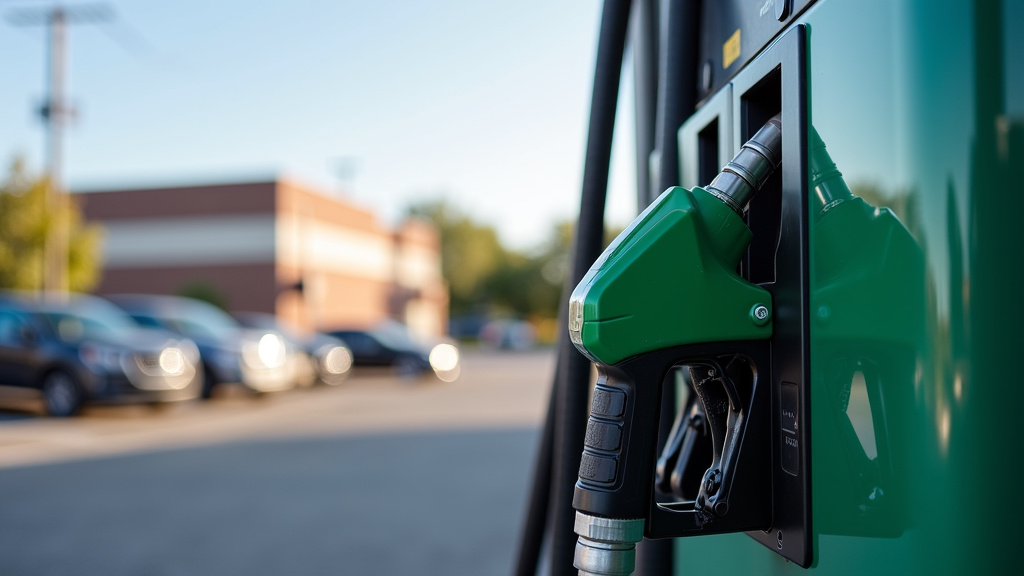
Finding it used to be a treasure hunt, but it’s getting easier. You’re looking for REC-90 or unleaded 90 octane labels at the pump. The key is to look for a sign that explicitly states “No Ethanol.” In many states, it’s sold as recreational fuel, especially near lakes or coastal areas.
Apps and websites like “Pure-Gas.org” can help you locate stations. We recommend calling ahead if you’re making a special trip. Availability varies by state and region, but it’s more common than you think, especially in boating communities.
Your Quick Checklist for Buying Ethanol-Free Fuel
Ready to make the switch for your equipment? Follow these steps at the pump.
- Check the Pump Label: Look for “No Ethanol” or “REC-90” on the nozzle or pump signage.
- Verify the Octane: Ethanol-free is often sold as 89, 90, or 91 octane.
- Ask an Attendant: If unsure, ask. Many station clerks know which pumps are ethanol-free.
- Use a Dedicated Container: Store it in an approved fuel can with a date label.
- Consider Fuel Stabilizer: For long-term storage (over 30 days), add a stabilizer.
- Keep Receipts: In case you need to return fuel that was mislabeled.
Choosing ethanol-free fuel is a simple, proactive step. It shows you care about the longevity and reliability of your gear. A little extra cost at the pump is much better than a big repair bill later. So, next time you fill up the boat or the lawnmower, consider making the choice that protects your investment.
Conclusion
You now know that ethanol-free fuel is your best defense against costly engine damage. It’s the top choice for protecting your lawnmower, boat, or classic car from corrosion and starting issues. Remember, this fuel offers a longer shelf life and more consistent power for your gear. The key benefits are simpler maintenance and a longer engine lifespan. Your next step is clear: check the pump label next time you fill up your seasonal equipment. Look for “REC-90” or use an app to find a station, and give your engine the clean fuel it deserves.
Frequently Asked Questions
Is ethanol-free fuel the same as premium gasoline?
Not exactly. Premium gasoline refers to a higher octane rating, which can still contain ethanol. Ethanol-free fuel is specifically made without any ethanol added. You must check the label for “No Ethanol” to be sure, as some premium blends at the pump may still include it.
Can I mix ethanol-free fuel with regular ethanol-blended gas?
You can, but it’s not recommended for sensitive equipment. Mixing them dilutes the ethanol-free benefits, potentially reintroducing moisture risks. For maximum protection, it’s best to use straight ethanol-free gasoline in engines designed for it.
Will using ethanol-free fuel void my equipment’s warranty?
Generally, no. Most manufacturers, like those for marine engines, actually recommend ethanol-free fuel to prevent damage. Always check your owner’s manual, but using it typically supports rather than voids your warranty for eligible equipment.
How do I store ethanol-free fuel for the off-season?
Store it in an approved, sealed fuel container away from direct sunlight. Label the container with the date. For storage longer than a few months, adding a fuel stabilizer is a good practice to maintain its quality even further.
Is ethanol-free fuel better for the environment?
That’s a common question with a mixed answer. Ethanol is a renewable biofuel, so blends can reduce fossil fuel use. However, ethanol-free fuel avoids the potential for spills and phase separation that can harm waterways, especially in marine settings.