
What Mower Do Professional Landscapers Use?
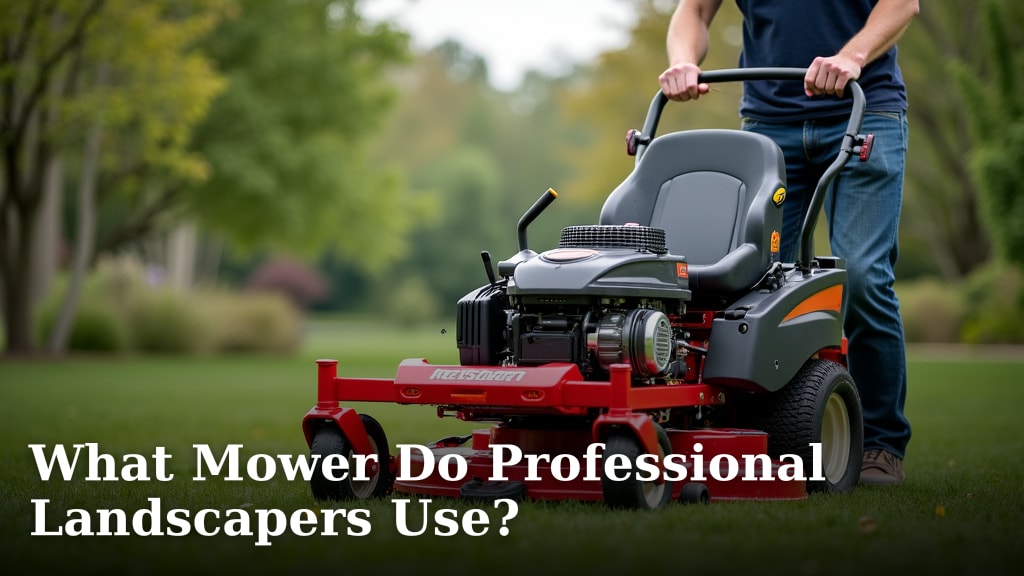
Professional landscapers primarily use commercial-grade zero-turn mowers, but also rely on stand-on mowers, walk-behind mowers, and even robotic mowers for specialized tasks. These mowers offer speed, efficiency, and durability to handle large properties and tough conditions. The right mower depends on the specific job and terrain.
We found that landscapers often have a fleet of different mowers. This lets them tackle everything from vast open lawns to tight, intricate spaces. They prioritize machines that are reliable and built to last, helping them get jobs done quickly and effectively for their clients.
- Pro landscapers use several mower types.
- Zero-turns are common for speed.
- Stand-on and walk-behind mowers offer versatility.
- Robotic mowers handle unique situations.
- Durability and efficiency are key factors.
Below, we break down everything you need to know about what mower do professional landscapers use and why they choose specific models.
The Mowers Landscaping Pros Use Most Often
Professional landscapers typically use a mix of commercial-grade mowers. Their main goal is efficiency, durability, and a perfect cut.
We found that zero-turn mowers are their primary workhorse. But they also have stand-on and walk-behind mowers for different job types. It’s all about having the right tool for the right job, isn’t it?
Zero-Turn Mowers: Speed and Efficiency
If you’ve ever watched a pro work, you’ve probably seen a zero-turn mower. These machines are favorites for a reason. They can turn on a dime, literally, making quick work of large open areas.
Imagine trying to mow a huge lawn with a regular riding mower. You’d spend so much time backing up and repositioning! Zero-turns eliminate that wasted effort.
What Makes Them So Good?
Zero-turn mowers offer incredible maneuverability. Their independent wheel motors allow each drive wheel to move at a different speed or even in opposite directions. This lets them pivot in place.
This design means fewer missed spots and straighter lines. It also means they can cut around obstacles with ease. Think about all those trees and flowerbeds!
They also come with wide cutting decks, often 48 to 72 inches. This wider path means fewer passes across a lawn, saving a lot of time. Time is money for landscapers, after all.
Another big plus is their speed. Zero-turns can often travel much faster than traditional riding mowers while still delivering a clean cut. This makes them ideal for large residential and commercial properties.
We discovered that the commercial-grade engines in these mowers are built to last. They can handle daily, heavy use without breaking down. That reliability is key for a busy landscaping business.
Stand-On Mowers: Versatility and Visibility
Next up in the professional arsenal are stand-on mowers. These are a fantastic middle-ground between zero-turns and walk-behinds.
They offer excellent visibility because the operator stands rather than sits. This helps landscapers see exactly where they’re cutting, which is super helpful in tricky spots.
When Do Landscapers Choose Stand-Ons?
Stand-on mowers shine in areas with gates, tight spaces, or lots of trees. They’re also great for properties with sloped terrain (OSHA recommends caution on slopes, but stand-on mowers can offer better balance than some other types for skilled operators).
They can often get through smaller gates where a large zero-turn might struggle. This means less string trimming later, which saves labor.
Their compact footprint and ability to quickly hop on and off make them very efficient. Imagine needing to move a mower just a few feet to clear a path – it’s much easier on a stand-on.
Many landscapers appreciate the less jarring ride compared to some sit-down models. Standing allows your legs to act as natural shock absorbers, reducing fatigue over a long workday.
Walk-Behind Mowers: Precision and Control
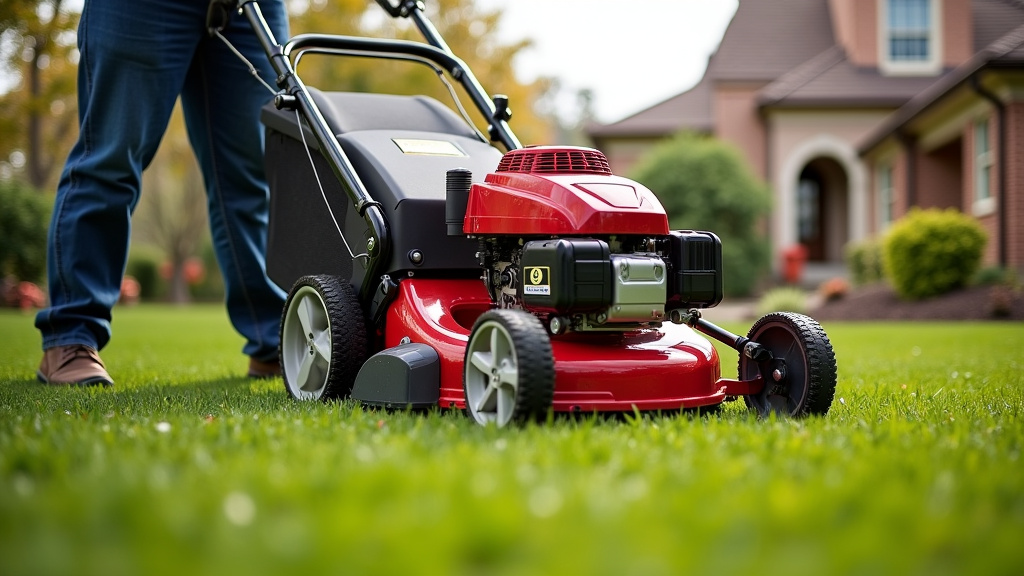
Don’t underestimate the humble walk-behind mower! While they might seem less powerful than their larger cousins, they are absolutely essential for professionals.
These mowers are all about precision. They give the operator maximum control in tight spots.
Ideal Uses for Walk-Behind Mowers
Landscapers use walk-behind mowers for small yards, intricate landscaping, and properties with steep hills. They are perfect for areas where larger mowers simply can’t go.
Think about properties with narrow strips of grass between driveways and fences. A walk-behind can navigate those areas easily, ensuring a complete and tidy cut.
They also come in various sizes, from traditional push mowers to self-propelled models with wider decks. Some commercial walk-behinds have hydrostatic drives, making them powerful and easy to handle.
For detailed work around flower beds, statues, or tight corners, nothing beats a walk-behind. They help achieve those crisp, clean edges that clients love. Plus, they’re often easier to transport in a trailer for smaller jobs.
Specialized Mowers and Equipment
Beyond the core trio, professionals sometimes use other types of mowers or specialized equipment to get the job done right.
It’s all about having a full toolbox, isn’t it? Every property is different, and sometimes you need a specialized solution.
Robotic Mowers: The Future of Lawn Care?
While not yet widespread for professional *fleet* use in the US, some high-end landscapers are experimenting with robotic mowers. These autonomous machines can maintain lawns with minimal human intervention.
For certain clients, like those with large, simple lawns who want constant manicuring, robotic mowers offer an interesting option. They cut frequently, leaving tiny clippings that fertilize the lawn (North Carolina State Extension).
We found that their current limitations include initial cost, navigation challenges in complex landscapes, and the need for human oversight. But as technology improves, they might become more common.
Brush Cutters and Trimmers: The Detail Work
It’s not just about the big mowers! Professional landscapers rely heavily on brush cutters and string trimmers. These tools handle the areas mowers can’t reach.
Brush cutters are more robust, tackling thick weeds and small saplings. String trimmers (often called weed whackers) clean up edges, around obstacles, and tight corners. They are essential for that polished, finished look.
Factors Guiding Mower Choice
So, how do landscapers decide which mower to use for a particular job? It’s a bit like a chef choosing the right knife – it depends on the ingredient and the desired cut.
We found that several key factors play into their decision-making process.
Property Size and Terrain
This is probably the biggest factor. A vast, flat commercial property demands a different mower than a small, hilly residential yard with lots of obstacles.
- Large, Open Lawns: Zero-turns are the go-to. Their speed and wide decks cover ground quickly.
- Medium-Sized, Complex Yards: Stand-on mowers offer a great balance of speed and maneuverability.
- Small, Intricate, or Hilly Lawns: Walk-behinds provide the control and precision needed.
Slopes are a particular concern. Mowing on slopes requires careful attention to safety and the right equipment to prevent rollovers (Occupational Safety and Health Administration).
Budget and Maintenance
Commercial mowers are a significant investment. Landscapers need machines that are not only effective but also cost-effective over their lifespan.
Initial Cost: High-end commercial zero-turns can cost tens of thousands of dollars. Landscapers budget carefully for these purchases.
Fuel Efficiency: Fuel is a major ongoing expense. More efficient engines save money in the long run.
Durability and Maintenance: Machines that break down frequently cost money in repairs and lost work time. Landscapers prioritize brands known for reliability and easy access to parts and service.
Regular maintenance is critical. Pros follow strict schedules for oil changes, blade sharpening, and general tune-ups to keep their fleet running smoothly. It’s like taking care of a race car!
Desired Cut Quality and Time Constraints
Clients expect a pristine lawn. Professional landscapers need mowers that deliver a superior cut every time. This means sharp blades, powerful engines, and well-designed decks that lift and cut grass cleanly.
Time is always a factor. Landscapers often have multiple jobs scheduled for a single day. The right mower helps them complete each job efficiently without rushing or sacrificing quality.
The Professional Mower Checklist
When a professional landscaper looks for a new mower, they’re not just looking for something that cuts grass. They have a detailed checklist of what they need. Does your mower meet these standards?
- Commercial-Grade Engine: Can it handle hours of daily operation without quitting?
- Durable Construction: Is it built to withstand heavy use and various weather conditions?
- Operator Comfort: Will the operator be able to use it all day without excessive fatigue?
- Wide Cutting Deck Options: Can it cover large areas efficiently?
- Excellent Maneuverability: Can it turn tightly and navigate obstacles with ease?
- Reliable Dealer Support: Are parts and service readily available to minimize downtime?
Comparing Mower Types for Professional Use
To give you a clearer picture, here’s a quick comparison of the main mower types favored by professionals. Each has its strengths, making them valuable members of a landscaping fleet.
| Mower Type | Best For | Key Advantage | Considerations |
|---|---|---|---|
| Zero-Turn | Large, open, flat areas | Speed & efficiency | Can be expensive; less ideal for extreme slopes |
| Stand-On | Medium-large yards with obstacles/gates | Visibility & maneuverability | Requires operator to stand; learning curve |
| Walk-Behind | Small, intricate, hilly yards | Precision & control | Slower; requires more physical effort |
Conclusion
You now understand that professional landscapers don’t just pick one mower. We’ve seen they rely on a diverse fleet, from speedy zero-turns to precise walk-behinds and versatile stand-ons. Their choices are driven by property type, terrain, and the need for both efficiency and a flawless cut. By matching the right tool to the job, they ensure client satisfaction and maximize their own productivity.
If you’re looking to elevate your own lawn care, consider these factors. Think about your specific needs. Choosing the right commercial-grade equipment will make a real difference in your results and time spent.
Frequently Asked Questions
How often do professional landscapers replace their mowers?
Professional landscapers typically replace their primary commercial mowers every 3 to 7 years. This depends heavily on hours of use, maintenance practices, and the intensity of their work. Regular maintenance helps extend the life of these expensive machines.
Do professional landscapers use electric mowers?
Some professional landscapers are starting to integrate electric mowers and equipment into their fleets. While battery technology is improving, gas-powered models still dominate for heavy-duty, all-day commercial use due to power and run-time needs. Electric options are growing for smaller jobs or noise-sensitive areas.
What brands of mowers do pros prefer?
There isn’t one single brand pros prefer, as many reputable manufacturers produce commercial-grade equipment. We found popular brands include John Deere, Exmark, Ferris, Scag, Kubota, and Toro. Landscapers often choose based on dealer support, part availability, and specific model features.
How important is blade sharpness for professional landscapers?
Blade sharpness is extremely important for professional landscapers. Dull blades tear grass, leading to an unhealthy, brown-tipped lawn that is more susceptible to disease. Pros sharpen their blades daily or even multiple times a day to ensure a clean, precise cut every time.
Do professional landscapers use special fuel for their mowers?
Most professional landscapers use standard unleaded gasoline, often combined with a fuel stabilizer, especially during storage. Some may use ethanol-free fuel to protect engine components, particularly in smaller engines. Diesel is used for specific heavy-duty commercial tractors and larger equipment.
