
Where Is The Fuse On A Husqvarna Lawn Mower?
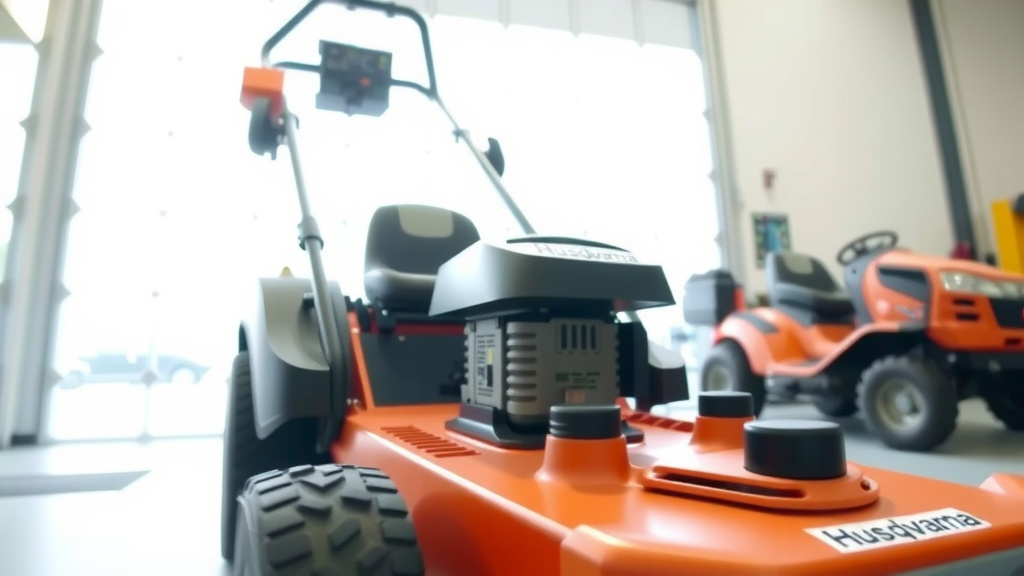
On most Husqvarna lawn mowers, the main fuse is often located near the battery, typically under the seat or sometimes behind the dashboard.
You’ll usually find the fuse in a small, black fuse holder or box, designed to protect your Husqvarna’s electrical system from power surges.
Looking for the fuse on your Husqvarna lawn mower? Here’s the quick scoop:
- The main fuse is commonly found close to the battery, often under the seat or near the engine.
- It’s a small safety device that protects electrical components from damage.
- Look for a black fuse holder, usually a little plastic box.
- If your mower isn’t starting or having electrical issues, checking this fuse is often the first troubleshooting step.
Where Is The Fuse On A Husqvarna Lawn Mower?
The fuse on a Husqvarna lawn mower is generally located near the battery compartment or under the seat, housed in a small protective casing. This little component plays a big role in keeping your mower running smoothly.
Why Do Husqvarna Lawn Mowers Have Fuses?
Think of your mower’s fuse as a tiny but mighty bodyguard for its electrical system. It’s there to prevent serious damage from power overloads. Just like a circuit breaker in your home, it sacrifices itself to save more expensive parts, like the starter or wiring.
Without a fuse, a sudden surge in electricity could fry crucial components. This little device breaks the circuit, stopping the flow of power before harm occurs. It’s a simple, brilliant design for electrical safety.
Signs Your Husqvarna Fuse Might Be Blown
How do you know if your mower’s fuse has taken one for the team? There are a few clear indicators. If your Husqvarna isn’t starting, or its lights and dashboard display aren’t working, a blown fuse is a very likely culprit.
You might turn the key, hear nothing, and wonder what’s going on. It’s often not the battery or starter, but a simple fuse. No power to the ignition or accessories points directly to this issue. It’s a common scenario.
Here’s a quick checklist for symptoms:
- Mower won’t start or turn over
- No power to the dashboard or lights
- Headlights or other accessories not working
- Battery seems charged but nothing happens
- Starter motor doesn’t engage
Common Fuse Locations on Husqvarna Models
Husqvarna makes many different lawn mower models, but they tend to put fuses in similar spots. We found that the most common place is right by the battery. This makes sense, as it’s the main power source.
For many riding mowers, if you lift the seat, you’ll find the battery. Often, the fuse holder is right there, clipped to a wire harness nearby. It’s usually a small, black plastic box that’s easy to spot once you’re looking for it.
Even if not directly under the seat, the fuse usually stays close to the battery itself. Follow the positive (red) cable from the battery terminals. You might find an inline fuse holder somewhere along that wire. Some experts say this is a standard spot (Lawn Mower Mechanics Guide).
Some Husqvarna models, especially newer or more feature-rich ones, might have the fuse tucked away under the dashboard or a removable hood panel. This area protects it from the elements. You might need to unscrew a few panels to get to it, but it’s still relatively accessible.
Finding the Fuse: A Step-by-Step Guide
Ready to locate that elusive fuse? It’s not a treasure hunt, but it does require a bit of methodical searching. Let’s walk through it together.
Safety First, Always
Before you touch anything electrical, please always disconnect the spark plug wire. This stops the engine from accidentally starting. Also, it’s a good idea to wear safety glasses and gloves. Your safety is most important.
Consult Your Owner’s Manual
This is always your best friend. Your Husqvarna owner’s manual will have a diagram showing the exact fuse location for your specific model. It will also tell you the correct amperage. We found that this is often overlooked but extremely helpful information.
Perform a Visual Inspection
If the manual isn’t handy, start by lifting the seat and looking around the battery. Follow the wires. Look for a small, black plastic holder. You might have to squeeze or pry open the holder to see the fuse inside. Sometimes, it’s just clipped onto a frame rail.
Understanding Different Fuse Types
Not all fuses are created equal! When you find your fuse, you’ll notice it has a specific shape and a number. That number tells you its amperage, or how much electrical current it can handle before blowing. Always replace with the exact same type and amperage.
Most modern Husqvarna mowers use blade-type fuses. They look like small plastic rectangles with two metal prongs. They come in different colors, and each color usually corresponds to a specific amperage. For example, a yellow fuse is often 20 amps.
Older models might have glass tube fuses. These are cylindrical glass tubes with metal caps on each end. Inside, you can often see a thin wire. If that wire is broken or charred, the fuse is blown. These are less common in new equipment now.
Here’s a simple look at common fuse types you might encounter:
| Fuse Type | Appearance | Common Use | Quick Check |
|---|---|---|---|
| Blade Fuse | Small plastic block with two metal prongs, color-coded | Most modern vehicles and lawn mowers | Look for a broken metal strip inside the plastic casing |
| Glass Fuse | Clear glass tube with metal caps, wire inside | Older equipment, some accessories | Check for a broken or burnt wire inside the glass tube |
Replacing a Blown Fuse on Your Husqvarna
So, you’ve found the blown fuse. Great! Now for the easy part: replacing it. Remember, this is usually a straightforward repair that doesn’t require special tools.
All you’ll likely need is a replacement fuse of the correct type and amperage. Keep a few spares handy in your garage – they’re inexpensive and can save you a lot of headache. A pair of needle-nose pliers can sometimes help with removal too.
Carefully pull out the old, blown fuse. If it’s a blade fuse, it usually just pulls straight out. Insert the new fuse firmly into the holder. It should snap or push in securely. Double-check that it’s the same amperage rating as the old one.
If your new fuse blows immediately, you likely have a larger electrical problem. Fuses don’t blow for no reason; they’re reacting to an overload or a short circuit. This could be a faulty wire, a shorted component, or even a problem with the charging system. Many mechanics agree on this (SAE International).
Preventing Future Fuse Problems
Nobody wants a repeat performance! A little preventative care can save you from future fuse failures. Keeping your mower in good shape means fewer unexpected breakdowns.
Make sure your mower’s battery terminals are clean and tight. Loose or corroded connections can cause resistance, leading to overheating and fuse issues. Periodically check your wiring harnesses for any fraying or damage from vibrations.
When not in use, especially during the off-season, store your mower in a dry, protected area. Moisture can lead to corrosion in electrical components, which then causes problems down the road. A little care goes a long way to protect your investment.
Don’t try to start your mower with a weak battery, or jump-start it incorrectly. These actions can send a surge of power through the system, potentially blowing the fuse. Always ensure your battery is sufficiently charged before starting.
When to Call a Professional
Sometimes, despite your best efforts, the problem goes beyond a simple fuse swap. If your mower keeps blowing fuses, or if you can’t identify the cause of the electrical issue, it’s probably time to call in an expert. Electrical systems can be tricky.
A certified Husqvarna technician has the diagnostic tools and experience to pinpoint more complex problems. They can safely troubleshoot shorts, charging system failures, or faulty starter solenoids that might be causing repeated fuse blows. Don’t hesitate to seek help when needed.
Conclusion
Finding the fuse on your Husqvarna lawn mower is a common troubleshooting step that often leads to a quick fix. Remember, it’s usually near the battery, protected in a small holder. Always prioritize safety, consult your manual, and use the correct replacement fuse. While a blown fuse is often a simple repair, persistent issues might signal a deeper electrical problem, suggesting it’s time to seek professional assistance. By understanding this small but mighty component, you can keep your Husqvarna mower running reliably and your lawn looking great.
Frequently Asked Questions
What amperage fuse do Husqvarna lawn mowers typically use?
Most Husqvarna riding lawn mowers commonly use a 20-amp or 25-amp blade-type fuse. However, this can vary by model, so we always advise checking your specific owner’s manual for the precise rating to ensure you use the correct replacement.
Can a dirty battery connection cause a fuse to blow?
Yes, dirty or corroded battery connections can increase resistance in the electrical circuit. This added resistance can sometimes lead to an overload, causing a fuse to blow as it tries to protect the system from excessive heat or current. Keeping terminals clean is a good practice.
How can I tell if a blade fuse is blown without removing it?
You can often perform a quick visual check. Blade fuses typically have a small metal strip visible through the clear plastic. If this strip is broken or visibly melted, the fuse is blown. For a more accurate test, you’d use a multimeter to check for continuity.
Is it okay to use a higher amperage fuse temporarily?
No, it is never recommended to use a higher amperage fuse than specified for your Husqvarna mower. Installing a fuse with a higher rating can prevent it from blowing when it should, potentially leading to severe damage to your mower’s wiring or other expensive electrical components. Always use the exact specified amperage.
My Husqvarna’s fuse keeps blowing. What could be the cause?
If your fuse repeatedly blows, it indicates an underlying electrical problem that needs to be addressed. Common causes include a short circuit in the wiring, a faulty component (like the starter solenoid or a switch), or an issue with the charging system. It’s wise to have a qualified technician diagnose this persistent issue.
