
Why Is My Cordless Electric Mower Smoking?
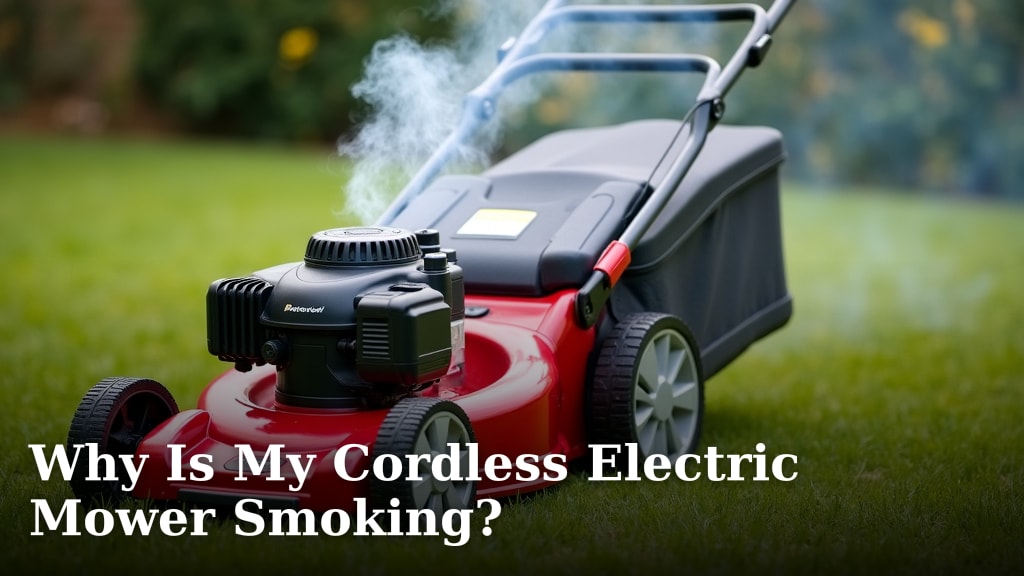
Your cordless electric mower smoking is usually a sign of overheating. This often happens when the motor is working too hard to cut through tough grass. It can also be caused by worn-out parts or a damaged battery. Don’t panic; it’s often a fixable issue.
When your mower smokes, it’s telling you something isn’t right. We’ve found that common culprits include a dull blade that forces the motor to strain. Sometimes, simply giving your mower a break or cleaning the deck can solve the problem. Overworking any machine leads to heat, and mowers are no exception.
- Motor overheating is the top reason for smoking.
- Tough grass or thick weeds can overload the motor.
- A dull or damaged blade makes the motor work harder.
- Check the battery and motor for any physical damage.
Let’s get your mower back to working order without the smoke signals. We’ll walk through the most common causes and what you can do about them.
Troubleshooting Your Smoking Electric Mower
Seeing smoke from your cordless electric mower can be alarming. It often signals that something is causing your mower to overheat. Don’t immediately assume the worst. Many issues are surprisingly simple to fix and can get you back to mowing.
Understanding the Heat: Why Mowers Smoke
When a machine like your mower works too hard, it generates heat. If this heat can’t escape properly, temperatures rise. This leads to visible smoke. We found that overheating is the most common cause for this issue.
Motor Strain and Overheating
Your mower’s motor is its powerhouse. If it’s forced to work harder than it’s designed for, it will overheat. This strain can come from several sources. We’ve researched that the motor itself might be the problem, or it could be struggling due to external factors. It’s like asking a runner to sprint a marathon – they’ll get hot very quickly!
Environmental Factors
Sometimes, the conditions you’re mowing in can contribute to overheating. Mowing very tall, thick grass puts a significant load on the motor. Damp or wet grass is also harder to cut. If you try to tackle overgrown weeds, the motor has to work even harder. We found that many users report smoke after trying to mow very overgrown areas. Give your mower a chance to cool down if the grass is too much for it.
Blocked Airflow
Like any engine, your mower needs good airflow to stay cool. Debris can build up around the motor housing or ventilation ports. This blocks air circulation. When air can’t get to the motor, it can’t dissipate the heat effectively. This is a common oversight. We found that regular cleaning is key to preventing this.
The Blade: A Silent Culprit
Your mower’s blade is the part doing the actual cutting. If it’s not in good condition, it forces the motor to work harder. This increased effort generates more heat, potentially leading to smoke.
Dull Blades
A dull blade doesn’t cut grass cleanly. Instead, it tends to tear or rip it. This requires more force and energy from the motor. We’ve researched that dull blades are a leading cause of motor strain. Think of trying to cut paper with scissors that have a dull edge; you have to press harder. A sharp blade slices through grass smoothly, requiring less effort.
Damaged or Unbalanced Blades
Even if your blade isn’t dull, it could be bent, chipped, or unbalanced. A damaged blade can cause vibrations. These vibrations stress the motor and its components. An unbalanced blade can throw off the entire cutting mechanism. This is not just about heat; it can also lead to other mechanical problems. We found that regular blade inspections are crucial for mower health.
Incorrect Blade Installation
Ensuring the blade is installed correctly is also important. If it’s not seated properly or is the wrong type for your mower, it can cause problems. We found that a loose blade is particularly dangerous and can lead to significant motor strain and potential damage. Always double-check that the blade is securely fastened.
Battery Issues: More Than Just Power
While the battery provides power, it can also be a source of heat and smoke if something is wrong. Modern electric mowers rely heavily on their battery systems.
Overheating Battery Pack
Just like the motor, a battery can overheat. This can happen if you’re mowing for extended periods, especially in hot weather. Pushing the battery beyond its optimal operating temperature can cause it to get very hot. We’ve seen reports where users notice smoke right after a long mowing session. Allow the battery to cool down after use.
Damaged Battery Cells
Physical damage to the battery pack, such as from a fall or impact, can be serious. If internal cells are compromised, it can lead to a dangerous internal short. This situation can generate excessive heat and smoke. Many battery manufacturers warn against using damaged batteries. We found that if you suspect battery damage, stop using it immediately and consult the manufacturer’s guidelines.
Charging System Problems
Issues with the battery’s charging system can also create heat. If the charger isn’t functioning correctly, it might overcharge the battery or fail to manage its temperature. This can cause the battery to overheat during charging. While this typically happens when plugged in, a faulty charging circuit can sometimes impact battery performance while in use. We found that using only the manufacturer-approved charger is recommended.
Mechanical Issues: Beyond the Obvious
Sometimes, the smoking isn’t directly from the motor or battery but from other mechanical parts that are failing.
Worn-Out Bearings
Components like the motor shaft and blade spindle use bearings. These allow parts to rotate smoothly. If a bearing becomes worn or damaged, it can create friction. This friction generates heat. In severe cases, this heat can be enough to cause smoke. We’ve researched that worn bearings often make a grinding or squealing noise before smoke appears.
Loose Fasteners
Any part that becomes loose can cause problems. A loose motor mount, for example, might cause the motor to vibrate excessively. This vibration can lead to overheating of the motor and surrounding components. We found that periodically checking that all screws and bolts are tight is good maintenance practice.
What to Do When You See Smoke: A Step-by-Step Checklist
Seeing smoke can be unnerving, but taking a calm, methodical approach can help you diagnose and fix the problem. Here’s a quick checklist to guide you:
- Stop Mowing Immediately: As soon as you see smoke, turn off the mower. Don’t try to finish the job.
- Let It Cool Down: Allow the mower, especially the motor and battery, to cool completely for at least 30 minutes.
- Inspect the Blade: Check for dullness, damage, or if it’s properly tightened.
- Clear Debris: Remove any grass clippings or dirt from the deck, motor housing, and ventilation ports.
- Examine the Battery: Look for any physical damage or signs of swelling.
- Check for Loose Parts: Gently try to wiggle accessible components to see if anything is loose.
Preventing Future Smoke Signals
Many of these smoking issues can be prevented with a little regular maintenance. Keeping your mower in good shape will not only prevent smoke but also extend its lifespan. We found that the easiest way to keep your mower running smoothly is through consistent care. Many of these smoking issues can be prevented with regular maintenance.
Regular Cleaning is Key
After each use, take a moment to brush off loose grass clippings. Periodically, you’ll need to do a more thorough cleaning. Pay special attention to the underside of the deck and the motor housing’s air vents. We found that clean vents ensure proper cooling.
Blade Maintenance Schedule
Sharpen your mower blade at least once a season, or more often if you notice it struggling. We’ve found that a sharp blade makes a huge difference in motor performance. Also, inspect for any nicks or bends.
Battery Care Practices
Store your battery in a cool, dry place. Avoid leaving it in direct sunlight or extreme temperatures. We found that following the manufacturer’s recommended charging and storage guidelines helps maintain battery health.
Know Your Mower’s Limits
Don’t push your electric mower beyond what it’s designed for. If the grass is exceptionally tall or thick, consider mowing it in stages over a couple of days. We found that respecting these limits prevents unnecessary strain on the motor.
Seasonal Check-Ups
Before storing your mower for the off-season, give it a thorough cleaning and inspection. Check for any wear and tear that might need addressing before the next mowing season. We found that this proactive approach catches potential problems early.
Conclusion
Seeing smoke from your cordless electric mower signals that it’s working too hard or something is out of place. You’ve learned that issues like dull blades, blocked airflow, or even a struggling battery can cause this. By performing regular maintenance and understanding your mower’s limits, you can prevent these smoke signals. Don’t let a little smoke stop you from enjoying a perfectly cut lawn. Take a moment to cool it down, inspect it carefully, and get back to mowing with confidence.
Frequently Asked Questions
How long should I let my electric mower cool down after it smokes?
You should let your mower cool down for at least 30 minutes after seeing smoke. This allows the motor and battery to return to a safe operating temperature. Rushing back into mowing can cause further damage.
Can I continue mowing if I see a little smoke?
No, you should stop mowing immediately if you see any smoke. Continuing to use a smoking mower can cause permanent damage to the motor or battery. It’s a sign that something needs attention right away.
Is it dangerous to use an electric mower that has smoked?
Yes, it can be dangerous. Smoke indicates overheating, which can lead to component failure, battery issues, or even fire hazards. It’s best to thoroughly inspect and fix the problem before using it again.
How often should I sharpen my electric mower’s blade?
We recommend sharpening your mower blade at least once per mowing season. If you frequently mow tough or thick grass, you might need to sharpen it more often. A sharp blade reduces strain on the motor.
What should I do if my battery pack looks swollen or damaged?
If your battery pack appears swollen or physically damaged, stop using it immediately. Do not attempt to charge or use it, as this can be a fire hazard. Consult your mower’s manual or the manufacturer for replacement instructions.
