
Why Is My Self-propelled Mower Not Self-propelling?
If your self-propelled mower decided to take a break from propelling itself, it’s likely due to a clogged drive system, a worn drive belt, or an issue with the drive gear. These are the most common culprits when your mower suddenly stops pulling its weight. Don’t worry, we’ve researched the most frequent reasons why this happens.
Losing that self-propel power can turn a quick mowing job into a real workout. Understanding why your mower isn’t moving forward on its own helps you diagnose the problem quickly and get back to enjoying your weekends. We found that most issues are fixable with a little troubleshooting.
- Drive belt is broken or loose.
- Debris is blocking the drive system.
- The drive gear may be damaged.
- Transmission or clutch problems can occur.
- You might need to adjust cable tension.
Below, we’ll walk you through the common reasons your self-propelled mower might not be self-propelling, so you can get back to those tidy stripes.
Your self-propelled mower is your trusty sidekick for a perfectly manicured lawn. When it stops pulling its own weight, it can feel like a betrayal. Don’t let this mowing mutiny get you down! We’ve researched the most common reasons your mower is suddenly going rogue and refusing to propel itself forward.
Troubleshooting Your Mower’s Lack of Forward Momentum
Figuring out why your self-propelled mower isn’t working means looking at a few key areas. Often, the fix is simpler than you think. Let’s get your mower moving again!
Understanding the Drive System Components
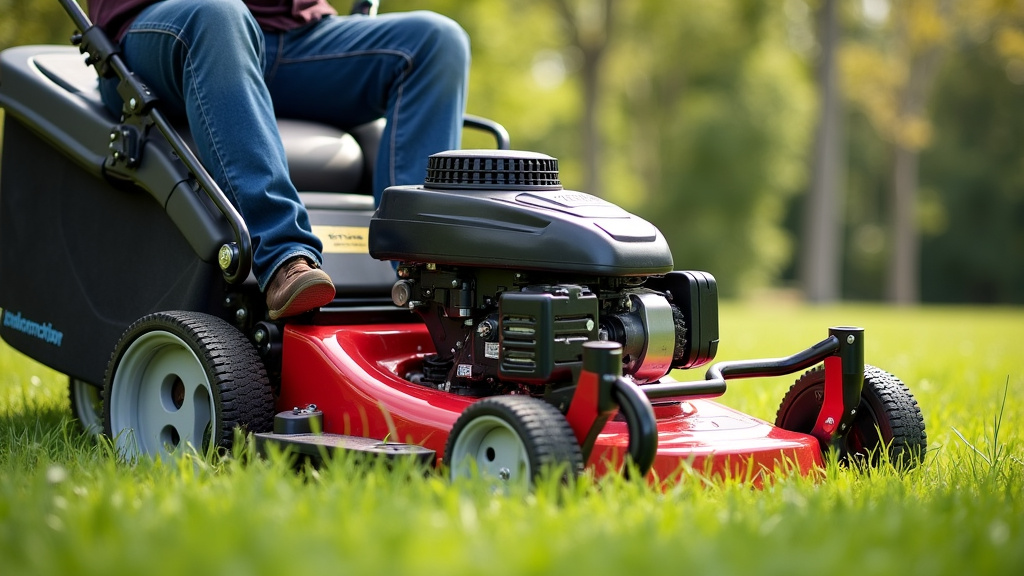
Before we dive into problems, it’s helpful to know what makes your mower go. Your self-propelled mower has a drive system that includes a drive belt, a transmission, and often a drive gear. These parts work together to transfer power from the engine to the wheels. When one of these parts malfunctions, you lose that satisfying pull.
The Role of the Drive Belt
Think of the drive belt as the engine’s handshake with the wheels. It’s a durable rubber belt that connects the engine’s crankshaft to the transmission. When the engine runs, it spins the belt, which in turn spins the gears that move your mower forward. It’s a pretty critical link in the chain of propulsion.
The Transmission: The Mower’s “Gearbox”
The transmission is like the brain of the operation. It takes the spinning motion from the engine and converts it into the force needed to push the mower. It also often allows you to adjust your mowing speed. If the transmission is having issues, it won’t send the right signals (or any signals!) to the wheels.
Drive Gears and Their Function
Inside the transmission, you’ll find gears. These are toothed wheels that mesh together to create the necessary torque. The drive gear is specifically responsible for transmitting that power to the wheels. If these gears are worn or damaged, they can’t effectively transfer that forward force.
Common Culprits Behind a Non-Propelling Mower
Now, let’s get to the nitty-gritty. Why is your mower suddenly channeling its inner stationary object? We found a few top suspects.
The Drive Belt: Snapped, Stretched, or Slipping
The drive belt is often the first place to look. Over time, belts can wear out. They might become cracked, frayed, or stretched. A stretched belt won’t grip as well, leading to slipping and a loss of power. If the belt has snapped completely, you’ll have zero propulsion. Many experts recommend inspecting your drive belt annually.
Signs of a Failing Drive Belt
What should you look for? First, check if the belt looks worn or damaged. You might notice a burning rubber smell if the belt is slipping excessively. Another sign is that the mower moves forward, but only very slowly or erratically. Sometimes, you can see the belt physically jump off its pulleys.
Replacing a Drive Belt
Replacing a drive belt is a common DIY repair. You’ll typically need to remove the mower deck or a protective cover to access it. Make sure you get the correct replacement belt for your specific mower model. Consult your owner’s manual for detailed instructions. We found this repair often costs less than $50 in parts.
Debris in the Drive System
This is a big one, especially if you mow tall or wet grass. Grass clippings, twigs, and other lawn debris can easily get clogged in the drive pulleys or around the transmission housing. This gunk can prevent the belt from moving freely or even break it.
Where to Check for Debris
You’ll want to thoroughly clean the underside of your mower. Pay close attention to the area around the drive belt and pulleys. Also, check the wheels and the area near the transmission. A good degreaser and a stiff brush can work wonders. Remember to disconnect the spark plug before you start cleaning for safety!
Preventing Debris Buildup
The best defense is a good offense. Try to avoid mowing very wet grass, as it tends to clump and stick. If you do cut wet grass, clean your mower immediately afterward. Regularly blowing or brushing off debris from the drive system will save you headaches later.
Issues with the Drive Gear or Transmission
Sometimes, the problem lies deeper within the mower’s mechanical heart. The drive gears can become worn down over time from constant use. If you hear grinding noises when you try to engage the self-propel, it could be a sign of gear damage. The transmission itself could also fail due to wear and tear or lack of lubrication.
When to Suspect Gear or Transmission Problems
If you’ve checked the belt and cleaned out all the debris, and your mower still won’t move, it’s time to consider these components. A lack of any movement, even with the self-propel engaged, points towards a transmission or gear issue. If the mower feels “loose” or just doesn’t engage, that’s another clue.
Repairing or Replacing Transmission Components
Repairing a transmission can be more complex and costly than replacing a belt. Many homeowners opt to replace the entire transmission unit if it fails. This is a more involved repair, and some people prefer to take it to a professional lawnmower repair shop. We found that transmission replacement can range from $100 to $300 depending on the mower model.
Cable Tension and Adjustment Issues
Your mower’s self-propel system is controlled by a cable that runs from the handle to the transmission. This cable engages and disengages the drive mechanism. If the cable becomes loose or stretches, it might not properly engage the drive system. Sometimes, it just needs a simple adjustment.
How to Check Cable Tension
Locate the self-propel control lever on your handle and trace the cable. There’s usually an adjustment nut or mechanism where the cable connects to the transmission. With the engine off and spark plug disconnected, try engaging the self-propel lever. Does it feel firm? Does it seem to engage the drive wheel system fully?
Adjusting the Self-Propel Cable
If the cable seems loose, you can often tighten it by turning the adjustment nut. You want enough tension so that the lever engages the drive smoothly but isn’t so tight that it’s difficult to squeeze. Over-tightening can cause premature wear. Consult your owner’s manual for specific adjustment procedures for your model.
Transmission Safety Lever or Clutch Problems
Many mowers have a safety feature, often a lever or bailbar on the handle, that must be held down to engage the self-propel. If this safety lever is faulty or not engaging properly, the drive won’t kick in. Similarly, some mowers have an internal clutch that can wear out.
Inspecting the Safety Lever
Ensure the safety lever you squeeze on the handle is moving freely and engaging its mechanism. Sometimes, a bent or obstructed lever can prevent the system from activating. You might also hear a click or feel a slight engagement when you squeeze it if it’s working correctly.
When to Consider a Professional
If you’ve gone through these steps and your mower still isn’t self-propelling, it might be time to call in the cavalry. Issues with the internal clutch or transmission can be tricky to diagnose and repair. A qualified mower technician can quickly pinpoint the problem.
A Simple Checklist for Quick Troubleshooting
Here’s a quick way to tackle the problem:
- Disconnect the spark plug. Safety first, always!
- Inspect the drive belt for tears, cracks, or excessive looseness.
- Clean thoroughly under the mower deck for any debris.
- Check the self-propel cable tension and adjust if needed.
- Test the safety lever on the handle to ensure it engages properly.
- Listen for unusual noises like grinding, which might indicate gear issues.
Conclusion
It’s frustrating when your self-propelled mower stops pulling its own weight. We’ve found that most issues stem from common problems like a worn-out drive belt, debris blocking the system, or simple cable tension needs. Taking a methodical approach, starting with a visual inspection and cleaning, can often solve the problem. If you’ve ruled out the belt and debris, and checked the cable tension, it might be time to consider the transmission or gears. Don’t let a stationary mower ruin your weekend; get out there and troubleshoot!
Frequently Asked Questions
How often should I inspect my mower’s drive belt?
We recommend inspecting your drive belt at least once a year, usually before the start of the mowing season. Early detection of wear and tear on the belt can prevent unexpected failures during use. This simple check can save you from an inconvenient breakdown.
Can I use a regular belt instead of a specific mower drive belt?
No, you should always use the drive belt specifically designed for your mower model. These belts are made with materials and dimensions to handle the torque and conditions of a self-propelled mower. Using the wrong belt can lead to poor performance or damage to your mower’s drive system.
My mower moves forward, but very slowly. What could be wrong?
A slow or sluggish self-propel function often indicates a drive belt that is worn, stretched, or slipping. It might also suggest that there’s some debris partially obstructing the drive system, preventing full power transfer. Check both the belt’s condition and for any clogs around the pulleys.
Is it normal for my self-propelled mower to smell like burning rubber sometimes?
A burning rubber smell is usually a sign that your drive belt is slipping excessively. This often happens when the belt is worn, loose, or if there’s debris preventing it from gripping the pulleys properly. We found that addressing this immediately can prevent further damage.
When should I consider taking my mower to a professional for repair?
If you’ve performed basic checks like inspecting the drive belt, cleaning debris, and adjusting cable tension, and your mower still isn’t self-propelling, it might be time for professional help. Issues with the transmission, internal clutch, or damaged gears can be more complex to diagnose and repair.
