
Why Won’t My Self-propelled Mower Start?
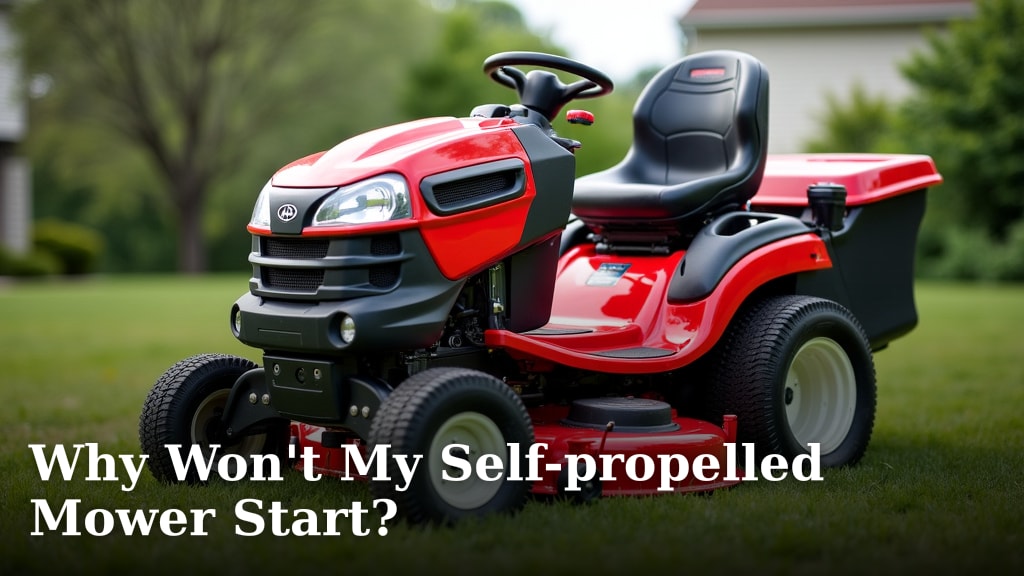
Your self-propelled mower won’t start because of a few common culprits, like a Your self-propelled mower won’t start because of a few common culprits, like a lack of fuel or a fouled spark plug.lack of fuel, a fouled spark plug, or a clogged air filter. Many owners discover these issues are the usual suspects when their mower acts up. Getting your mower running usually involves checking these simple, fixable problems first.
When your self-propelled mower refuses to turn over, it can be a real bummer, especially with lawn chores piling up. We’ve found that the most common reasons are often related to basic maintenance or the fuel system. Before you call a repair shop, let’s look at the most likely reasons your mower is being stubborn.
- No fuel or stale fuel
- Dirty spark plug
- Clogged air filter
- Loose spark plug wire
- Oil issues
Ready to get your mower roaring back to life? Let’s walk through the most frequent reasons your self-propelled mower won’t start and how you can fix them.
“`htmlTroubleshooting Your Stubborn Self-Propelled Mower
When your self-propelled mower decides it’s time for a break, it can be frustrating. You’re ready to tackle that lawn, and it just won’t cooperate. We’ve found that many starting issues boil down to a few common, often easily fixed, problems. Let’s walk through them so you can get back to enjoying your yard.
Fueling Your Mower: The Basics
The most frequent reason a mower won’t start is a simple lack of fuel. It sounds obvious, but it’s easy to overlook, especially if you haven’t used the mower in a while. Make sure your fuel tank has enough fresh gasoline. Stale gas is a real engine killer.
Fresh Fuel is Key
Gasoline can go bad surprisingly quickly. Over time, it can lose its combustibility and can even form gummy deposits. Many experts recommend using fuel that’s less than 30 days old. If your mower has been sitting for a few months, the fuel in the tank might be the culprit.
We found that many issues arise from this. If you suspect your fuel is old, the best course of action is to drain the old gas and refill with fresh gasoline. You can usually find a drain plug at the bottom of the fuel tank or carburetor. Be sure to dispose of old fuel responsibly.
Checking the Fuel Line and Filter
Sometimes, the fuel isn’t reaching the engine even if the tank is full. You’ll want to check the fuel line for any kinks or blockages. Some mowers also have a small fuel filter that can become clogged. If you find a clogged filter, it’s usually a straightforward replacement. Refer to your owner’s manual for its exact location.
The Spark Plug: Your Engine’s Ignition Source
The spark plug is vital for igniting the fuel-air mixture in your engine. If it’s dirty, worn, or damaged, your mower simply won’t start. This is one of the most common culprits we encounter.
Inspecting a Dirty Spark Plug
A spark plug can become fouled with carbon deposits or oil. This prevents it from creating a strong enough spark. To check it, you’ll need to disconnect the spark plug wire (pull the boot straight off the plug). Then, use a spark plug wrench to carefully remove the plug.
Once removed, examine the tip. If you see black, sooty deposits, it’s likely fouled. You can try cleaning it with a wire brush and a bit of carburetor cleaner. Ensure it’s completely dry before reinstalling. If the electrodes look worn down or damaged, it’s time for a new one.
Gapping and Reinstalling the Spark Plug
When you install a new spark plug, or a cleaned one, you need to ensure it’s properly gapped. The gap is the space between the electrodes. Your mower’s manual will specify the correct gap. Use a gap tool to measure and adjust it if needed. A spark plug that’s too wide or too narrow won’t function correctly.
After checking or replacing the spark plug, make sure it’s screwed in snugly by hand, then tighten it a bit more with the wrench. Reconnect the spark plug wire firmly. A loose wire is another reason your mower might refuse to start.
Air Filter: Letting Your Engine Breathe
Just like you, your mower’s engine needs air to run. The air filter prevents dirt and debris from entering the engine. A clogged air filter starves the engine of air, making it difficult or impossible to start.
Symptoms of a Clogged Air Filter
If your mower runs rough, lacks power, or simply won’t start, a dirty air filter is a strong possibility. We’ve found that this is especially true if you mow in dusty or dry conditions. The filter acts like a sieve, and over time, it fills up.
Cleaning or Replacing the Air Filter
Most air filters are housed in a plastic or metal casing, often secured with clips or screws. Remove the cover and take out the filter. Most paper filters can be replaced. If it looks dirty and you can’t see light through it, it’s time for a new one. You can often find replacements at hardware stores or auto parts shops.
Some reusable foam filters can be washed. Check your manual for specific cleaning instructions. If you clean a foam filter, make sure it’s completely dry and lightly oiled with a specific air filter oil before reinstalling. Never operate your mower without an air filter or with a damaged one.
Oil Level and Condition Matters
Your engine needs oil to keep its moving parts lubricated and cool. Running an engine with too little oil can cause serious damage and prevent it from starting. Too much oil can also cause problems.
Checking Your Oil Level
Locate the oil dipstick on your engine. Usually, it’s a yellow or orange loop. Pull it out, wipe it clean, reinsert it fully, and pull it out again. The oil level should be between the “add” and “full” marks. If it’s low, add the type of oil recommended in your owner’s manual.
We found that many people forget this crucial step. Forcing a mower that’s low on oil can lead to costly repairs. It’s a quick check that can save you a lot of headaches.
The Importance of Clean Oil
Old, dirty oil also needs attention. If the oil is dark and sludgy, it’s not lubricating effectively. Many manufacturers recommend changing the oil at least once a season. If your oil looks like it’s seen better days, consider draining it and refilling with fresh oil.
Other Potential Starting Problems
While fuel, spark, air, and oil are the most common reasons, a few other things can prevent your self-propelled mower from starting.
Carburetor Issues
The carburetor mixes fuel and air before it enters the engine. If it’s gummed up with old fuel deposits, it can prevent starting. Sometimes, a good dose of carburetor cleaner can help. In more severe cases, the carburetor might need to be removed and thoroughly cleaned or replaced. This is a more involved repair that might require professional help.
Safety Features and Kill Switches
Modern mowers have safety features that prevent them from starting unintentionally. Ensure the handle-mounted safety bar is fully engaged. Also, check that the mower isn’t tilted at an extreme angle, as some have safety shut-offs for that situation. Some mowers have a “kill switch” or a spark plug grounding wire that needs to be in the correct position for the engine to start.
Loose or Damaged Electrical Components
Beyond the spark plug wire, other electrical connections could be loose or corroded. Check any visible wires leading from the ignition coil or to the starter. If you see any signs of damage or corrosion, cleaning the connections or securing them might help. For issues with more complex electrical systems, consulting a repair manual or a professional is wise.
Your Mower Starting Checklist
Before you give up and call for help, run through this quick checklist. We’ve found that most issues are resolved with these simple steps:
- Is there enough fresh fuel in the tank?
- Is the spark plug wire securely attached?
- Is the air filter clean and unobstructed?
- Is the oil level correct and the oil relatively clean?
- Are all safety levers and switches engaged correctly?
- Is the spark plug clean and properly gapped?
Conclusion
You’ve walked through the most common reasons your self-propelled mower won’t start. We’ve seen that issues with fuel, a dirty spark plug, a clogged air filter, or low oil are often the culprits. These are typically simple fixes you can handle yourself. Don’t let a stubborn mower keep your lawn from looking its best. Grab your toolkit and confidently tackle these checks. If you’ve gone through this list and your mower still won’t start, it might be time to consult your owner’s manual or seek professional help.
Frequently Asked Questions
How often should I change my mower’s oil?
Most manufacturers recommend changing your mower’s oil at least once a season, or after every 50 hours of use. If you mow in very dusty conditions, you might need to change it more frequently. Refer to your owner’s manual for the specific recommendation for your model.
What if my mower runs for a bit then dies?
If your mower starts but then quickly stops, it could still be a fuel issue, like stale gas or a partially clogged fuel line. It could also indicate a problem with the carburetor not getting enough fuel or air. Ensure your fuel is fresh and check the air filter for obstructions.
Can I use regular car gasoline in my mower?
You can generally use regular unleaded gasoline. However, it’s best to use gasoline with a lower ethanol content if possible, as ethanol can attract moisture and degrade over time, potentially harming your mower’s fuel system. Always check your owner’s manual for specific fuel recommendations.
My mower’s spark plug is black and sooty. What does that mean?
A black, sooty spark plug indicates that your engine is running too rich, meaning it’s getting too much fuel or not enough air. This could be due to a clogged air filter, a faulty carburetor, or using the wrong fuel mixture. Cleaning the plug is a temporary fix; addressing the underlying cause is essential.
What is the most common reason for a self-propelled mower not starting after winter storage?
The most common reason is stale fuel left in the tank and carburetor from the previous season. Gasoline breaks down over time, losing its combustibility and can form gummy deposits that clog fuel lines and the carburetor. Always drain old fuel and refill with fresh gas before starting after storage.
