Zero-Turn vs Riding Lawn Mower: Which Fits Your Yard? (October 2026)
Choose a zero-turn mower for open lawns with many obstacles, and a lawn tractor for slopes, mixed terrain or tow-behind tasks. Your yard layout and steering comfort matter more than speed claims.
On this page (7 sections)
- Zero turn vs riding lawn mower: which fits your yard?
- Which mower handles slopes and uneven ground better?
- Is a lawn tractor or zero-turn better for mowing around obstacles?
- Which mower is better for towing and yard work?
- How much space do the mowers need?
- What should you expect for maintenance and storage?
- Which mower should you choose?
Choose a zero-turn mower for open lawns with many obstacles, and a lawn tractor for slopes, mixed terrain or tow-behind tasks. The zero turn vs riding lawn mower choice depends on how your yard is shaped and what else you need the machine to do.
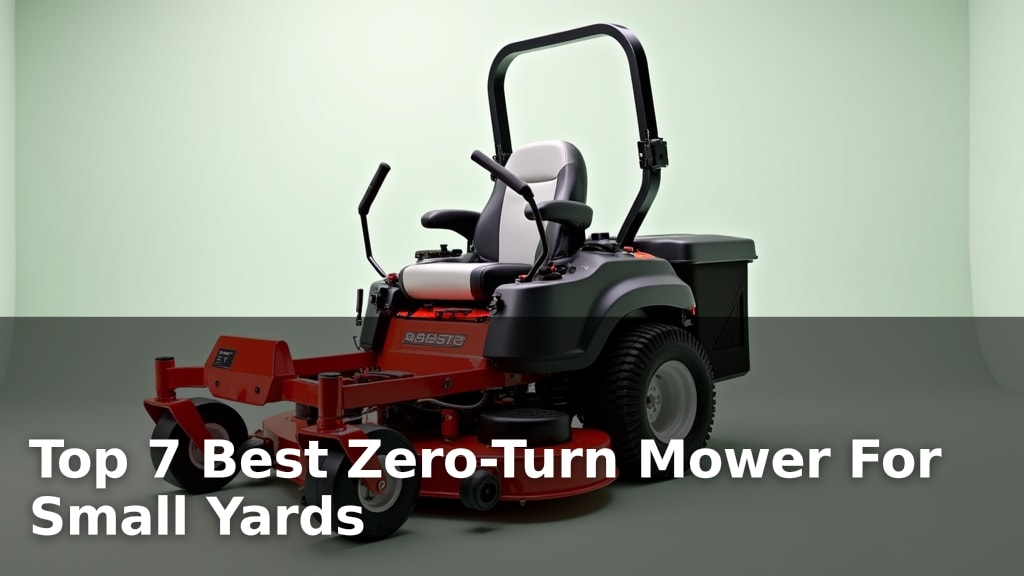
A zero-turn mower steers by controlling its drive wheels separately, while a lawn tractor uses a steering wheel and front wheels. Both can cut grass, but their turning patterns and handling suit different yards.

 Best for zero-turn storage
Rimwig Zero Turn Mower Cover Waterproof 420D
Zero turn vs riding lawn mower: which fits your yard?
A zero-turn is usually the better match for open ground with trees, beds or other obstacles; a lawn tractor is often easier to steer across mixed terrain. Check the ground, obstacles and turning room before comparing deck sizes.
A zero-turn can pivot with a tight turning radius, which can reduce extra passes around trees and garden beds. A lawn tractor takes wider turns, so it may leave more grass to trim around obstacles afterward.
How do steering controls change the job?
A lawn tractor has a steering wheel, so you steer it much like a small vehicle. A zero-turn typically uses two levers or lap bars that control each drive wheel.
Those separate controls allow tight turns but can take practice. Before mowing close to trees, fences or a drop-off, learn the model's controls on open ground and follow its manual.
If you want to compare zero-turn options by yard size, see our zero-turn mower picks for small yards. For a broader look across mower styles, start with our Best Zero-Turn Mower 2026 guide.
Which mower handles slopes and uneven ground better?
A lawn tractor is often the safer starting point for sloped or uneven yards, but the exact mower's manual sets its limits. Slope ability varies by model, tire traction, surface and mowing conditions.
A zero-turn can lose traction or control on a slope, especially on wet grass. Its drive-wheel steering can also make downhill turns harder to manage than a lawn tractor's front-wheel steering.
Don't rely on a general rule alone. Read the manual for the specific model, note its slope guidance and avoid mowing when the ground is slippery.
What if your lawn has both flat and sloped sections?
Choose around the section that creates the greatest handling risk, not just the largest flat area. A mower that turns quickly on level turf may not be a good fit for a steep side yard.
Walk the route and mark the steepest areas, narrow passages and places where you need to turn. If the slope guidance rules out a riding mower, consider a walk-behind mower for those sections.
Is a lawn tractor or zero-turn better for mowing around obstacles?
A zero-turn saves turning space around frequent obstacles; a lawn tractor can make sense when obstacles are sparse or you value familiar steering. The amount of trimming left after mowing also matters.
Count the trees, beds, poles and corners that interrupt your passes. A zero-turn's tight turns can reduce the need to reverse and reposition, while a lawn tractor may need more open room to turn.
For a yard with only a few obstacles, that difference may not justify choosing a zero-turn. A lawn tractor can be easier to learn and may fit better if you also want to tow compatible yard attachments.
A larger property with long mowing runs may benefit from a wider deck, but the deck still needs to fit gates and storage. Our guide to zero-turn mowers for large yards can help you compare choices for more open acreage.
Which mower is better for towing and yard work?
A lawn tractor is usually the more natural choice for towing compatible attachments, while a zero-turn is primarily designed around mowing. Check the exact model's hitch, towing limits and approved tools before you buy.
A lawn tractor may work with a cart or other tow-behind equipment if the manufacturer approves it. Zero-turn models vary, and some aren't designed for the same tasks.
If you want a mower that can pull tools, list those jobs before shopping. Confirm whether the mower supports each attachment and whether the extra load changes its operating limits.
The guide to turning a lawn mower into a tractor explains how tractor-style tasks differ from basic mowing. For a brand-specific zero-turn comparison, see our best Gravely zero-turn mower guide.
How much space do the mowers need?
A zero-turn needs room to pass through access points and a place to park, while a lawn tractor needs extra room for its wider turning path. Measure gates, sheds and the route between them before choosing.
Measure the mower's full width, including its deck, and compare it with your narrowest gate or path. Then allow space to turn around and park without blocking doors or walkways.
A tight storage area can make either style inconvenient. Consider whether the mower can be parked with its deck attached and whether you can reach it without moving other equipment.
What should you expect for maintenance and storage?
Both mower types need routine care, and either should be stored in a dry, secure place when possible. Follow the owner's manual for service intervals, cleaning and winter preparation.
A riding mower has an engine and drive system that need upkeep, while a battery-powered push mower avoids gas and oil tasks. The Greenworks 40V 16in Push Lawn Mower has a 16 in cutting width, mulch and rear-bag options, and includes a 4.0 Ah battery and charger.
If your mower sits outdoors, a fitted cover can help shield it from weather. Measure the machine first, since covers for riding mowers and zero-turns have different dimensions.
Which mower should you choose?
Choose a zero-turn for an open lawn with frequent obstacles, and a lawn tractor for slopes, mixed terrain or towing tasks. If your yard is small and simple, a push mower may be enough.
Think about how often you turn, how steep the ground is and whether you plan to tow equipment. These practical details can matter more than advertised mowing speed.
For the zero turn vs riding lawn mower decision, pick the control style you can use safely on your terrain. Measure the whole route and storage space, then check the manual for slope and attachment limits before buying.
Frequently asked questions
Is a zero-turn mower better than a riding mower?
A zero-turn mower suits open yards with frequent obstacles because its steering lets it pivot and turn tightly. A lawn tractor suits mixed tasks, slopes and tow-behind attachments better for many homeowners.
Compare the terrain, mowing pattern and tasks you do beyond cutting grass before choosing.
Is a lawn tractor easier to steer than a zero-turn?
A lawn tractor uses a steering wheel, so its controls feel familiar to drivers. A zero-turn uses separate lap bars or levers to control each drive wheel, which takes practice.
Try the control layout if possible and check the manual's guidance before mowing near obstacles or slopes.
Can you use a zero-turn mower on hills?
Some zero-turn mowers can handle gentle slopes, but safe limits vary by model, surface and conditions. Check the owner's manual for slope guidance and avoid mowing wet or slippery ground.
A lawn tractor may be a better fit when your yard has hills or uneven sections.
Which mower is better for a small yard?
For a small, open yard, a compact lawn tractor may be enough; a zero-turn can help if landscaping creates many tight turns. If the lawn is small enough, a push mower may cost less to store and maintain.
Measure gates and storage space before settling on a riding mower.
Can a lawn tractor pull attachments?
Many lawn tractors support compatible tow-behind attachments, while zero-turn models vary. Confirm the exact mower's hitch, towing limits and approved attachments in its manual.
A tractor-style mower is often the more practical starting point if you plan to pull a cart or yard tool.