
How To Make A Pulling Lawn Mower?
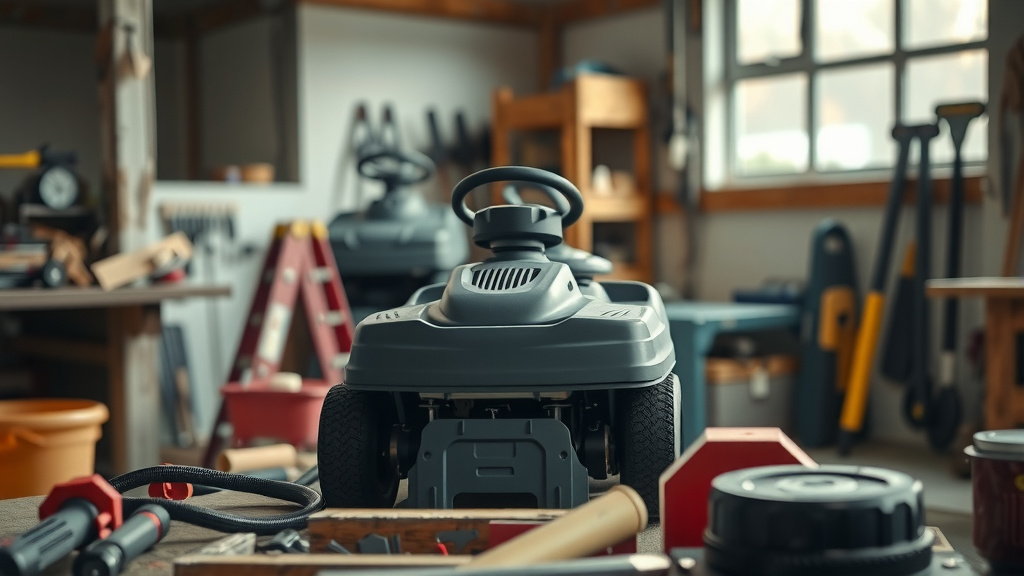
To make a pulling lawn mower, you generally convert a standard push mower by attaching a robust hitch system to its frame, enabling it to be towed by a garden tractor or ATV. This smart conversion lets you cut larger lawn areas with significantly less physical effort and in less time.
A pulling lawn mower transforms your manual cutting task into an efficient, motorized operation, making big yards feel much smaller and yard work far less strenuous.
- Convert a push mower into a pulling mower to save time and energy on large lawns.
- You will need basic tools and materials like steel, bolts, and a welding kit.
- Always prioritize safety by reinforcing the frame and securing all connections.
- Careful adjustments to the hitch and cutting height are key for an even cut.
- Regular maintenance keeps your newly converted mower running smoothly and safely.
How To Make A Pulling Lawn Mower?
Making a pulling lawn mower involves securing a tow hitch to a push mower’s frame, allowing a separate vehicle to pull it across your lawn. This DIY project can save you money on buying a dedicated tow-behind mower.
Why Consider a Pulling Mower?
Have you ever looked at your sprawling lawn and sighed, imagining the hours of pushing ahead? Converting a mower offers a clever solution.
Saving Time and Energy
Pushing a lawn mower for hours can be exhausting. A pulling mower connects to your riding mower, ATV, or even a golf cart. This change means you sit back and drive, letting the machine do the hard work. We found that this approach drastically reduces fatigue for homeowners.
Tackling Large Areas
If you have an acre or more, a push mower feels like a never-ending journey. A pulling mower allows you to cover vast spaces quickly. It’s like having a dedicated mower for your big yard, but without the extra purchase price.
Is Converting Your Mower Practical?
While the idea is exciting, you might wonder if it’s truly doable. Many experts say converting a push mower is quite practical for those with basic mechanical skills. You do need to approach it with a realistic mindset.
Safety First, Always
Before you begin, remember safety is paramount. Any modification to machinery carries risks. Always ensure your setup is stable, secure, and ready for operation. Agricultural safety organizations often highlight the importance of secure connections and proper testing.
What You’ll Need: Tools and Materials
Gathering your supplies beforehand makes the process much smoother. Think of it like baking; you wouldn’t start without all your ingredients, right?
Essential Tools
- Wrench set or adjustable wrenches
- Drill with metal-specific bits
- Measuring tape and marker
- Angle grinder (for metal cutting)
- Welder (optional, but highly recommended for strength)
- Safety glasses and work gloves
Key Materials
You’ll need sturdy materials to withstand the pulling force. We found that steel angle iron or square tubing works best for the hitch frame. You will also need heavy-duty bolts, nuts, washers, and a universal hitch pin. Some projects might use a heavy steel plate for reinforcement.
Choosing the Right Mower for Conversion
Not all mowers are created equal when it comes to conversion. Picking the right starting point can save you headaches later.
Deck Type Matters
Consider a mower with a durable steel deck. Lighter plastic decks might not handle the stresses of pulling. A wider deck will cut more grass per pass, making your efforts more efficient.
Engine Power Considerations
The mower’s engine needs enough power to cut grass effectively while being pulled. A stronger engine handles thicker grass better and won’t bog down easily. Look for engines with at least 5.0 horsepower for reliable performance.
| Mower Type | Pros for Conversion | Cons for Conversion |
|---|---|---|
| Walk-Behind Push Mower | Lightweight, easy to modify frame | Lower power, smaller cut width, less robust |
| Self-Propelled Mower | Engine power already there, sturdier deck | Drive system might interfere with modifications |
| Rear-Engine Rider Deck | Often wider cut, robust deck, powerful engine | Might need more extensive frame work, heavier |
Step-by-Step: The Conversion Process
Let’s dive into the practical steps. Remember to take your time and double-check everything.
Securing the Hitch Point
You need a strong attachment point at the front of your mower. Often, this involves creating a new sub-frame from angle iron. This frame bolts directly to the mower’s existing chassis. We found that many successful conversions use multiple bolt points for maximum stability.
Reinforcing the Frame
The original mower frame isn’t designed for pulling stress. Add extra steel supports to the areas where your hitch attaches. Think of it like adding extra beams to a house for a new addition. This reinforcement prevents bending or breaking during use. Many engineers agree that proper reinforcement distributes stress evenly.
Adjusting the Cut Height Mechanism
You’ll need to be able to raise and lower the mower deck remotely. This often means extending the existing height adjustment lever. Some people use a simple chain and pulley system connected to a longer handle. This allows you to change cutting height from your towing vehicle.
Ensuring Safe Operation
Your safety and the safety of those around you are paramount. Never skip these checks.
Pre-Operation Checklist
- Is the hitch securely attached to both vehicles?
- Are all bolts tightened and connections sound?
- Is the cutting height adjustment working properly?
- Are blades sharp and free of damage?
- Is the area clear of debris and people?
- Do you have clear visibility of the mower while towing?
Safe Towing Practices
Always maintain a slow and steady speed when towing. Avoid sharp turns, especially on slopes. Remember, the pulling mower has its own momentum. Many lawn care experts suggest practicing in an empty area first to get a feel for the setup.
Common Challenges and Troubleshooting
You might hit a snag or two, but don’t worry, most issues have simple solutions.
Uneven Cutting
If your mower isn’t cutting evenly, check the hitch angle. The mower deck needs to ride level with the ground. Adjust the hitch bar length or the height of the hitch point on your towing vehicle. Sometimes, uneven tire pressure on the mower can also cause this.
Hitch Connection Issues
If the hitch feels wobbly or disconnects, re-examine your mounting points. Ensure the bolts are tight and the frame reinforcement is adequate. A loose connection is a serious safety hazard. Research often connects instability with improperly secured hitch points.
Maintenance for Your New Pulling Mower
Just like any piece of equipment, your converted mower needs regular care.
Keep the blades sharp and balanced. Check the engine oil and air filter regularly. Inspect all hitch connections and bolts for tightness before each use. A little routine maintenance goes a long way in ensuring longevity and safe operation.
Conclusion
Converting a push lawn mower into a pulling model is a fantastic DIY project that can genuinely transform your lawn care routine. It empowers you to manage larger properties with greater ease and efficiency. By carefully selecting your materials, taking the time for precise construction, and always prioritizing safety, you’ll create a functional tool that saves your back and time. This journey from push to pull demonstrates how a bit of ingenuity can lead to surprisingly effective solutions for your yard.
What kind of mower is best for converting into a pull-behind model?
A walk-behind mower with a sturdy steel deck and an engine of at least 5.0 horsepower is generally ideal for conversion. Its robust frame can better handle the added stress of being towed.
Do I need welding skills to make a pulling lawn mower?
While not strictly mandatory if you use bolt-on solutions, welding is highly recommended for creating the strongest and safest hitch system. It ensures a more permanent and durable connection for heavy-duty use.
How do I adjust the cutting height on a converted pulling mower?
You typically need to modify or extend the mower’s existing height adjustment lever. This allows you to control the deck height from your towing vehicle, often using a longer handle or a simple lever extension.
Can I use any vehicle to pull my converted lawn mower?
You can use garden tractors, ATVs, or even robust golf carts. The key is that your towing vehicle must have enough power to pull the mower and maintain control, especially on uneven terrain or inclines.
What are the most important safety considerations when operating a pulling mower?
Always ensure all hitch connections are extremely secure, check for loose parts before each use, and operate at a slow, steady speed. Maintain clear visibility of the mower and be aware of your surroundings to prevent accidents.
