
How To Build A Pulling Lawn Mower?
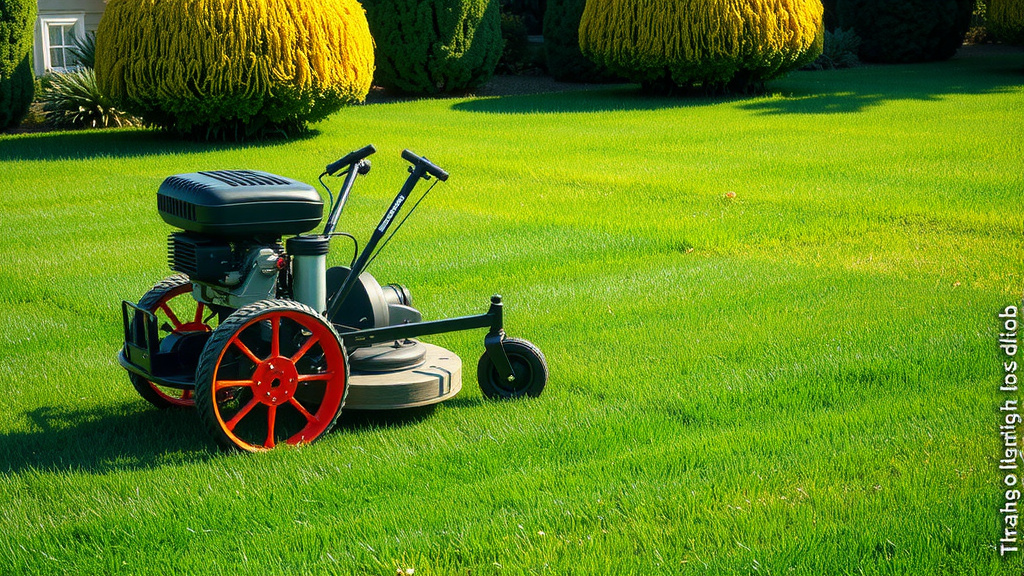
Building a pulling lawn mower involves modifying a standard mower chassis, enhancing its engine for more power, and installing a robust transmission system.
The key components include a heavy-duty frame, larger tires for traction, and often custom fabrication to withstand the increased stress of competitive pulling events.
- Building a pulling lawn mower requires significant modifications to a standard model.
- Focus on reinforcing the frame, upgrading the engine, and installing a strong drivetrain.
- Safety is paramount; meticulous planning and execution are essential for custom builds.
- You will need specialized tools and knowledge for fabrication, welding, and assembly.
- Remember, these machines are for competition, not for everyday lawn care.
How To Build A Pulling Lawn Mower?
Transforming a regular lawn mower into a pulling machine is a truly rewarding project. You’re essentially building a small but mighty tractor designed for raw power and traction. It’s about combining your mechanical skills with a passion for competition.
Understanding The Core Concept
So, you’re thinking about building a pulling lawn mower? That’s fantastic! It’s a challenging but incredibly satisfying journey. These aren’t your average garden tools; they are purpose-built powerhouses ready to test their strength against a weighted sled.
What Exactly Is a Pulling Mower?
A pulling mower, sometimes called a garden tractor puller, is a heavily modified machine. It looks like a lawn mower but functions like a mini tractor. Its main goal is to pull a weighted sled as far as possible down a track, often for sport. Think of it as drag racing, but with brute strength instead of speed. They are built for maximum torque and traction, not for cutting grass.
Why Build One? The Thrill of Competition
Many enthusiasts build pulling mowers for the sheer joy of competition. It’s a sport that combines engineering, fabrication, and a bit of adrenaline. Seeing your custom-built machine conquer the track is an unmatched feeling. You become part of a community that truly appreciates mechanical prowess and ingenuity.
Getting Started: Planning Your Build
Every great project begins with a solid plan. Before you even touch a wrench, you need to map out your vision. What kind of pulling mower do you want? What are your local competition rules? These questions shape your entire build. A clear plan saves you time and money, believe us. Many experienced builders say that planning is half the battle (Builder’s Almanac).
Safety First: A Non-Negotiable Step
Working with powerful engines and heavy machinery demands respect for safety. Always wear appropriate personal protective equipment (PPE), like safety glasses and gloves. Ensure your workspace is well-lit and organized. Remember, taking shortcuts with safety can have serious consequences (Government Safety Regulations). Your well-being is the top priority in any project.
Gathering Your Tools And Workspace
Before any serious work begins, consider your environment. Do you have a garage or workshop with enough space? Building a pulling mower requires quite a bit of room. You’ll also need a solid set of tools. Here’s a quick checklist of essential items:
- Welding machine and supplies
- Angle grinder with cutting and grinding discs
- Various wrenches, sockets, and screwdrivers
- Bench vise and clamps
- Drill press and drill bits
- Engine hoist or heavy-duty jack
Choosing Your Base: The Mower Chassis
The foundation of your pulling mower is the chassis. This is where your journey truly starts. Picking the right base can make a huge difference in the final performance and ease of construction. Don’t just grab any old mower; research your options carefully.
Selecting The Right Starting Point
Not all lawn mowers are created equal when it comes to pulling. Older, heavier garden tractors often make the best starting points. Look for models with a robust frame and a strong rear axle. Many builders favor older models from manufacturers known for their heavy-duty construction. These older units tend to be easier to modify, too.
Reinforcing The Frame For Strength
Once you have your chassis, reinforcement is absolutely critical. A standard mower frame isn’t designed for the immense stress of pulling. You will need to weld in extra steel, often in a box-frame style, to prevent twisting and bending. Research often connects frame integrity with overall pulling performance (Mechanical Engineering Texts). This step ensures your mower can handle the power you’ll add later.
Engine Power: The Heart of Your Puller
This is where the magic truly happens! The engine transforms your humble mower into a roaring beast. Building a pulling mower is all about getting maximum power to the ground. Upgrading the engine is often the most significant and exciting part of the build.
Upgrading For Maximum Horsepower
Forget the stock engine; you’ll need serious power. This often means replacing the original engine with a larger, more powerful one. Custom engine builds can involve performance camshafts, high-compression pistons, and carburetor upgrades. Many experts say that proper engine tuning is just as important as the raw parts (SAE Standards). You’re aiming for sheer, unadulterated grunt.
Fuel Systems And Exhaust Mods
With more power comes the need for more fuel and a better exhaust flow. You’ll likely need a larger carburetor or even fuel injection for optimal performance. The exhaust system should be free-flowing to allow the engine to breathe properly. Research indicates that a well-designed exhaust can significantly improve horsepower. These modifications ensure your engine is getting everything it needs to perform at its peak and expel waste gases efficiently.
The Drivetrain: Putting Power To The Ground
All that engine power is useless if you can’t get it to the wheels. The drivetrain is responsible for transferring energy from the engine to the ground. This part of the build needs to be incredibly strong to prevent failures under load.
Selecting A Robust Transmission
A standard transmission will likely fail under the stress of pulling. You’ll need a heavy-duty unit, often a custom-built or significantly modified automotive transmission. Look for transmissions designed for higher torque applications. Here’s a quick look at common choices:
| Transmission Type | Pros | Cons |
|---|---|---|
| Stock Garden Tractor | Easy to find, low initial cost | Very weak, breaks easily, not for pulling |
| Automotive (e.g., Ford 9-inch) | Extremely strong, many aftermarket parts | Heavy, requires extensive fabrication |
| Custom-Built Pulling Trans. | Optimized for pulling, ultimate strength | Very expensive, requires specialized skills |
Choosing the right transmission is about balancing strength, cost, and complexity. You want something that won’t give out when the engine is delivering maximum force.
Axles, Tires, And Weight Distribution
Heavy-duty axles are a must to cope with the increased power and weight. Standard axles will just snap. You’ll also need specialized pulling tires, which have aggressive treads for maximum grip. Properly distributing weight on the chassis is key for traction. Many competitive builders spend hours perfecting their weight balance for optimal pulls.
Finishing Touches And Testing
You’re almost there! Once the main components are assembled, it’s time for the details. These final steps ensure your pulling mower is safe, competition-ready, and performing at its best.
Custom Fabrication And Safety Features
This stage often involves custom parts like a stronger hitch for the sled, a roll cage, and kill switches. A roll cage protects the driver in case of an overturn. Kill switches allow for instant engine shutdown if something goes wrong. These safety additions are often mandated by competition rules. They are not just nice-to-haves; they are absolute necessities.
Initial Testing And Adjustments
Never skip the testing phase. Start with light pulls and gradually increase the load. Pay close attention to how the mower responds. Are there any strange noises or vibrations? Does it pull straight? Expect to make adjustments to engine tuning, tire pressure, and weight distribution. This iterative process is how you truly dial in your machine. Many experts find that real-world testing reveals issues no blueprint can predict (Automotive Performance Forum).
Conclusion
Building a pulling lawn mower is an incredible journey into mechanical engineering and customization. You’ll learn a ton, face challenges, and ultimately create a unique machine. Remember, safety, meticulous planning, and a passion for the sport are your best tools. So, are you ready to rev up your engine and leave your mark on the pulling track? It’s a project that truly allows you to get your hands dirty and see the powerful results of your hard work.
What is the typical cost to build a pulling lawn mower?
The cost can vary wildly, from a few hundred dollars for a basic, entry-level build to several thousand for a high-performance, custom machine. It largely depends on the engine choice, transmission upgrades, and how much custom fabrication you perform yourself.
Can a pulling lawn mower still cut grass?
No, a pulling lawn mower is almost always stripped of its cutting deck and any grass-cutting mechanisms. It’s built for power and pulling, not for landscaping. Its low stance and heavy modifications make it unsuitable for typical lawn care tasks.
What kind of engine is best for a pulling mower?
While many types exist, single-cylinder air-cooled engines (like Briggs & Stratton or Kohler) are common for smaller classes. Larger, multi-cylinder engines, including V-twins or even modified automotive engines, are used in higher-power competition classes. The best choice depends on your budget and desired power.
How important is weight distribution in a pulling mower?
Weight distribution is absolutely crucial. Proper weight balance, often achieved by adding weight to the front, helps keep the front wheels down for steering and transfers weight to the rear drive wheels for maximum traction. It directly impacts how far your mower can pull the sled.
Are there different classes for pulling lawn mowers?
Yes, most pulling organizations have various classes based on engine size, fuel type, weight, and modification levels. These classes ensure fair competition between machines of similar capabilities. Always check your local club’s rules before starting your build.
