
How To Mow Lawn Like A Pro?
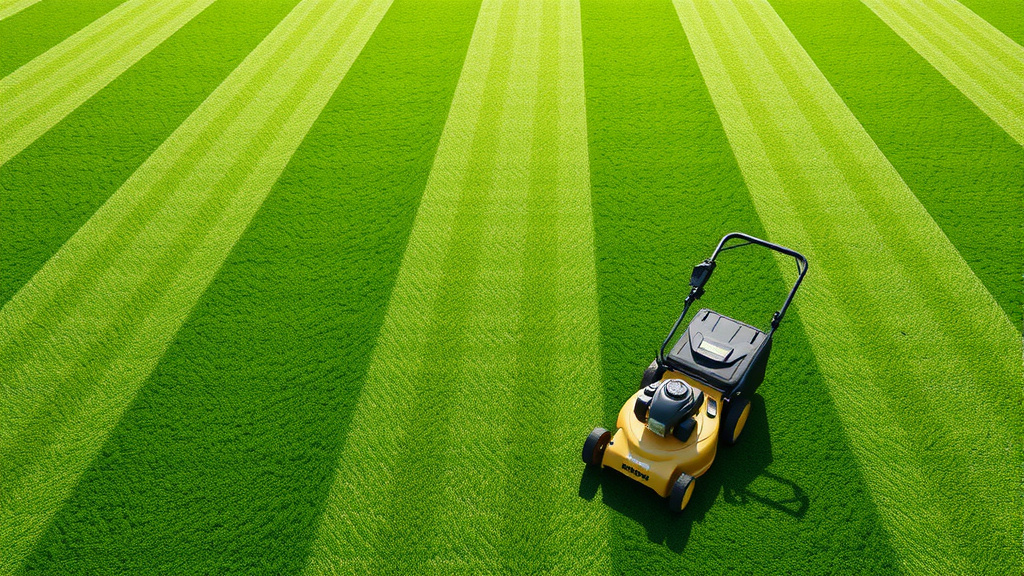
To learn how to mow lawn like a pro, you must consistently maintain sharp blades and always cut only one-third of the grass blade height at a time.
Achieving a professional-looking lawn involves varying your mowing patterns, choosing the right blade height for your grass type, and mowing when the grass is dry.
- Always set your mower blade height for optimal grass health and appearance.
- Vary your mowing pattern with each cut to prevent compaction and create stunning stripes.
- Keep your mower blades razor-sharp for a clean cut that helps your lawn thrive.
- Mow your lawn when it’s completely dry to prevent disease and clumping.
- Proper mowing technique is the secret to a resilient, vibrant, and picture-perfect lawn.
How To Mow Lawn Like A Pro?
Mowing your lawn like a pro comes down to understanding your grass, using the right equipment, and applying consistent, smart techniques for a vibrant yard. It’s more than just pushing a machine; it’s about nurturing your green space.
You can transform your average yard into a standout landscape with a few key adjustments. Think of it as a strategic approach to lawn care that saves you time and effort in the long run.
Understand Your Grass Type
Before you even start your engine, do you know what kind of grass you have? Different grass types, like cool-season or warm-season varieties, have distinct needs for height and mowing frequency. This basic knowledge helps you tailor your approach.
For instance, some grasses prefer to be cut taller, which can help them tolerate drought better. We found that understanding your specific grass type is a foundational step for success (University Extension Offices).
The Golden Rule: One-Third
This is perhaps the most important tip you’ll ever receive about mowing. Never cut more than one-third of the grass blade height during a single mowing session. Why? Because removing too much at once stresses the grass plant severely.
Imagine losing a third of your hair in one go; it would be a shock, wouldn’t it? Your grass feels the same way! This rule promotes deeper root growth and helps prevent brown patches, keeping your lawn lush.
Setting Your Blade Height
Finding the correct blade height is crucial for a healthy lawn. For most cool-season grasses (like fescue or bluegrass), a height of 2.5 to 3.5 inches is often recommended. Warm-season grasses (such as Bermuda or Zoysia) might prefer a slightly lower cut, around 1 to 2.5 inches. It truly depends on your specific grass variety.
Taller grass blades create more shade for the soil, which helps retain moisture and discourages weed growth. It’s a simple adjustment that offers big benefits for your lawn’s health and appearance.
| Grass Type | Recommended Mowing Height | Benefits of Height |
|---|---|---|
| Cool-Season Grasses | 2.5 – 3.5 inches | Deeper roots, weed suppression |
| Warm-Season Grasses | 1 – 2.5 inches | Dense growth, heat tolerance |
Sharp Blades Make All the Difference
Have you ever tried to cut paper with dull scissors? It tears, right? A dull mower blade does the same to your grass, leaving frayed, ragged tips. These torn tips turn brown quickly and make your lawn look unhealthy.
A sharp blade, however, provides a clean, precise cut. This clean cut heals faster, reduces the risk of disease, and gives your lawn a crisp, vibrant green appearance. Aim to sharpen your blades after every 10-12 hours of use, or at least once per season.
When to Mow? Timing is Key
The best time to mow your lawn is when it’s dry. Mowing wet grass can lead to clumping, uneven cuts, and can even spread fungal diseases. Always wait for the dew to lift and any rain to evaporate before you start your engine.
Also, try to mow during the cooler parts of the day, such as late morning or early evening. Mowing in the midday heat can stress both you and your grass, which is not ideal for a professional finish. We found that avoiding peak sun hours helps grass recover better.
The Art of Mowing Patterns
Do you always mow in the same direction? Stop right there! Varying your mowing pattern each time is a pro secret. It prevents soil compaction and grass blades from leaning permanently in one direction. This is how you get those beautiful, straight stripes.
Try mowing north-south one week, then east-west the next. Or maybe a diagonal pattern? This simple change encourages grass to grow straighter and stand taller, giving your lawn that much-desired striped, professional look.
Overlap Your Passes
To avoid those annoying “racing stripes” of uncut grass, always overlap your mowing passes by a few inches. This ensures every blade of grass gets cut evenly. It’s a minor detail that makes a huge visual impact.
Think of it like painting a wall; you wouldn’t leave gaps, would you? The same applies to your lawn. This simple overlap creates a uniform look and prevents those awkward missed spots that stand out.
Don’t Forget the Edges
A truly professional lawn isn’t just about the main turf; it’s about the crisp, clean edges. After mowing, use a string trimmer or edger to neatly define the boundaries around driveways, walkways, and flowerbeds. This adds a polished, finished touch.
Neat edges act like a frame for your lawn, making everything look intentional and well-maintained. It’s the small effort that separates a good mow from a truly outstanding one.
What About Mulching vs. Bagging?
Many homeowners wonder whether to bag their clippings or let them fall back onto the lawn. Mulching your clippings is generally better for your lawn’s health. These small clippings return valuable nutrients and moisture to the soil, acting like a natural fertilizer.
However, if your grass is overly long or diseased, bagging the clippings is a wise choice. Removing excess clippings prevents thick clumps that can smother grass and helps contain any spreading diseases. It’s a judgment call based on your lawn’s condition.
The Right Mower for the Job
Having the correct mower for your lawn size and type can make mowing much easier and more effective. For smaller yards, a push mower might be perfect. Larger properties often benefit from riding mowers or zero-turn models, saving significant time.
Consider whether you prefer gas, electric, or battery-powered options too. Each has its pros and cons regarding maintenance, noise, and environmental impact. We found that a well-matched mower makes the entire process more enjoyable and efficient.
Pre-Mow Prep Checklist
A quick check before you start can prevent headaches and even save your mower. Always walk your lawn first, removing any sticks, toys, or debris that could damage your blades or be launched by the mower. This takes just a few minutes.
- Check fuel or battery levels.
- Inspect mower blades for sharpness.
- Adjust cutting height for your grass type.
- Remove debris from the lawn.
- Clear pathways and obstacles.
Safety First, Always
Your safety should always be your top priority. Wear closed-toe shoes, safety glasses, and ear protection when operating your mower. Be mindful of children and pets, ensuring they are safely indoors before you begin. Never refuel a hot engine.
Many experts say that following these basic safety guidelines protects you and everyone around you (Consumer Product Safety Commission). A few moments of caution can prevent serious accidents, keeping your mowing routine safe and simple.
Conclusion
Mowing your lawn like a pro is completely achievable with a little knowledge and consistent effort. It’s about understanding your grass, making smart choices with your equipment, and applying mindful techniques every time you mow. From blade height to mowing patterns, each small step contributes to a stunning, healthy lawn.
Embrace these tips, and you’ll not only see a dramatic improvement in your lawn’s appearance but also in its overall health and resilience. You’ll be the envy of your neighborhood, all thanks to a few simple yet powerful professional mowing habits!
How often should I mow my lawn?
The frequency depends on your grass type, growth rate, and desired height. Generally, aim to mow often enough so you never remove more than one-third of the blade length. This might mean once a week during peak growing seasons and less often during slower periods.
Can I mow my lawn when it’s raining?
No, it’s best to avoid mowing when it’s raining or when the grass is wet. Wet grass can clog your mower, lead to uneven cuts, and potentially spread fungal diseases. Always wait for the lawn to dry completely before mowing.
What is the ideal grass height for a healthy lawn?
The ideal grass height typically ranges from 2.5 to 3.5 inches for most cool-season grasses and 1 to 2.5 inches for warm-season grasses. Taller grass encourages deeper root growth, helps shade out weeds, and maintains soil moisture.
Should I bag my grass clippings or leave them on the lawn?
For a healthy lawn, it’s generally better to leave clippings on the lawn. They act as natural fertilizer, returning nutrients and moisture to the soil. However, if the grass is very long or diseased, bagging them is a good idea to prevent clumping and disease spread.
How can I get stripes on my lawn like a golf course?
To achieve those professional stripes, consistently vary your mowing pattern with each cut (e.g., north-south one week, east-west the next). The direction in which grass blades are bent reflects light differently, creating the striped effect. A roller attachment on your mower can also enhance this look.
