
How To Mow Lawn Under Trampoline?
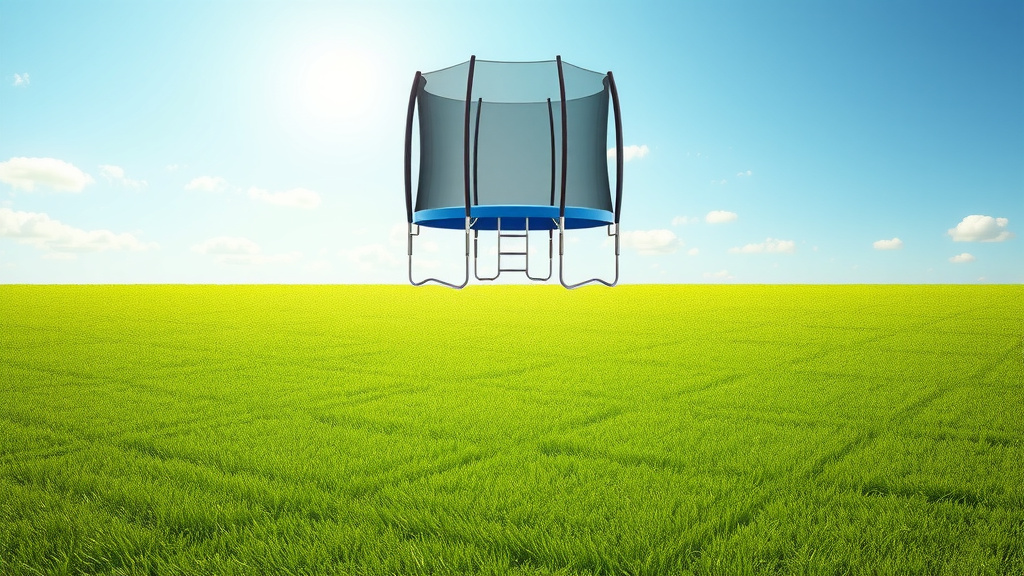
To effectively mow lawn under a trampoline, you typically need to move the trampoline slightly, then use smaller tools like a string trimmer or push mower for precision around the legs and hard-to-reach areas.
The safest way to mow under a trampoline involves a combination of careful lifting or rolling and using appropriate handheld tools to ensure a neat, even cut without damaging your equipment or risking injury.
Here’s the quick scoop on tackling that tricky grass under your trampoline:
- Moving the trampoline is often the best first step for a good cut.
- Smaller tools like string trimmers or handheld shears are your best friends.
- Always prioritize safety – watch your fingers and back!
- Consider making the area a no-mow zone to simplify future efforts.
- Regular, light trims will keep the area looking tidy without much fuss.
How To Mow Lawn Under Trampoline?
Mowing under a trampoline can be a bit of a dance, requiring you to either move the trampoline or use specialized tools and techniques for those hard-to-reach spots. It is not impossible; it just requires a thoughtful approach to get a neat finish.
Why Is Mowing Under a Trampoline So Tricky?
That circular shadow under your trampoline creates a unique lawn challenge. Grass there often grows differently, sometimes taller and thinner due to less sunlight. The legs themselves also create awkward angles, making a standard lawn mower impractical. We often find that getting a clean, even cut can feel like a mission (University of Illinois Extension).
The Obstacle Course Challenge
Imagine trying to cut hair around someone’s ears with a weed whacker – that’s kind of what mowing under a trampoline feels like. The legs, frame, and even the netting become obstacles. It is a genuine test of patience and precision.
Safety First: Your Number One Priority
Before you even think about cutting grass, stop and think about safety. Grass blades are one thing, but your fingers and toes are another. Many experts say that personal safety gear is non-negotiable for this job (OSHA). You want to protect yourself from flying debris and potential strain.
Essential Safety Gear Checklist
- Safety glasses: Protect your eyes from flung grass or small stones.
- Gloves: Guard your hands, especially when moving the trampoline.
- Sturdy shoes: Prevent slips and protect your feet.
- Ear protection: If using noisy power tools like a string trimmer.
Gather Your Tools: The Right Gear for the Job
You probably will not be able to use your big riding mower here. Think smaller, more agile tools. We found that having a mix of tools makes the job much easier. It is like having the right brush for every stroke when painting.
Recommended Tools for Trampoline Mowing
Here are some tools that will help you tackle the grass under the trampoline:
A string trimmer (weed eater) is excellent for reaching tight spots. A small electric or battery-powered model is usually enough. Handheld grass shears give you precise control for trimming around legs. A push mower or even a small electric mower can handle the main open areas if you move the trampoline.
Step-by-Step Guide: Getting the Job Done
Ready to get that lawn looking sharp? Let’s walk through the process together. Think of it as a carefully choreographed dance with your lawn care tools.
Prepare the Area
First, clear any toys, balls, or loose items from around and under the trampoline. You do not want these getting caught in your mower or trimmer. This makes your work much safer and more efficient.
Moving the Trampoline: The Easiest Solution
For the best results, we found that gently moving the trampoline is usually the ideal option. This gives you full access to the grass underneath. It may seem like a big task, but often it is easier than you think.
How to Move a Trampoline Safely
Enlist a friend or family member to help you. Trampolines can be heavier than they look. You can often lift one side slightly and walk it forward, or gently roll it if it has wheels. Remember to lift with your legs, not your back, to avoid strain (Mayo Clinic).
The “Lift and Shift” Method
With a helper, stand on opposite sides. Count to three, then lift and shift the trampoline a few feet over. Mow the exposed area. Then, shift it again to mow the remaining patch. This reduces strain and makes the job manageable.
Mowing the Exposed Area
Once you have moved the trampoline, use your regular lawn mower to cut the now-accessible grass. This is the easy part! Get a nice, even cut on the main section. Then, you can focus on the trickier parts.
Trimming Around the Legs
After you move the trampoline back or if you opted not to move it, use your string trimmer or grass shears. Carefully trim around each leg and any remaining hard-to-reach spots. Take your time here; precision prevents damage to the trampoline and gives a clean finish. Keep the trimmer head away from the trampoline’s legs to prevent nicks.
Alternative Approaches: Less Mowing, More Living
Sometimes, the best way to mow under a trampoline is not to mow there at all. Many homeowners find creative ways to reduce or eliminate the need for grass cutting in that specific spot. It saves time and effort in the long run.
| Method | Pros | Cons |
|---|---|---|
| Moving Trampoline | Best cut quality, easy access, healthy grass. | Requires effort, needs a helper, risk of injury. |
| String Trimmer Only | No heavy lifting, quick for small areas. | Uneven cut, can damage trampoline legs, less tidy. |
| No-Mow Zone | No mowing needed, low maintenance long-term. | Initial setup cost/effort, changes yard aesthetic. |
Creating a No-Mow Zone
What if you just covered the area? You could lay down some landscaping fabric and then cover it with wood chips, rubber mulch, or even decorative stones. This creates a neat, maintenance-free zone under the trampoline (Oregon State University Extension). It also prevents mud from splashing up onto the trampoline after rain.
Weed Control Solutions
If you choose a no-mow zone, you may still need to manage weeds. A pre-emergent herbicide can help prevent weeds from sprouting. Or, if you prefer a chemical-free approach, regular hand-weeding or a natural weed killer can keep the area tidy.
Regular Maintenance Tips for a Tidy Trampoline Area
Once you have tackled the initial mow, keeping it tidy is much easier. Think of it like brushing your teeth daily versus a huge dental cleaning once a year. Regular, small efforts make a big difference.
Keep it Short
Try to mow the grass under the trampoline more frequently, even if it is just with a string trimmer. Keeping the grass shorter means less work each time and a neater appearance overall. You won’t have to wrestle with overgrown jungle-like grass.
Check for Debris Regularly
Quickly look under the trampoline before anyone jumps. Remove any small branches, toys, or other items. This is a simple habit that prevents future problems and keeps the area safe.
Your Checklist for a Perfect Mow Under the Trampoline:
- Put on all safety gear (glasses, gloves, sturdy shoes).
- Clear any loose items from under the trampoline.
- Recruit a helper if you plan to move the trampoline.
- Carefully lift and shift the trampoline to expose the grass.
- Use a regular mower on the now-exposed lawn.
- Move the trampoline back to its original spot or shift it again.
- Trim precisely around the legs with a string trimmer or shears.
- Consider creating a permanent no-mow zone for future ease.
Conclusion
Mowing under a trampoline does not have to be a dreaded chore. With the right tools, a bit of planning, and a focus on safety, you can keep your lawn looking sharp and inviting. Whether you decide to move it, trim it, or create a no-mow zone, remember that consistency is key. Your efforts will result in a tidier yard and a safer play area for everyone. Happy mowing!
Can I just use a string trimmer for all the grass under a trampoline?
While you can use a string trimmer for all the grass, it might result in an uneven cut and could accidentally damage the trampoline legs. For a neat, uniform look, it is best to move the trampoline and use a regular mower for the main area, then finish with a trimmer for the edges.
Is it safe to leave grass long under a trampoline?
Leaving grass long under a trampoline is not ideal. It can attract pests, create muddy patches, and become a tripping hazard if children play there. Tidy grass also looks much better and contributes to a healthier lawn.
How often should I mow under my trampoline?
The frequency depends on your grass growth, but generally, mowing every one to two weeks is a good practice. If you move the trampoline, you can do it less often, maybe once a month, keeping other areas trimmed more regularly.
What if I can’t move my trampoline by myself?
If your trampoline is too heavy or awkward to move alone, always ask for help. Enlisting a friend or family member makes the job much safer and easier, preventing potential injuries. Otherwise, consider smaller handheld tools for trimming around it without moving it.
Are there any lawn mowers designed specifically for tight spaces like under trampolines?
While no specific “trampoline mower” exists, small electric or battery-powered push mowers, robotic lawn mowers, and robust string trimmers are excellent for tight spaces. Handheld grass shears also offer precise control for getting right up against the legs.
