How To Prep Lawn Mower For Spring?
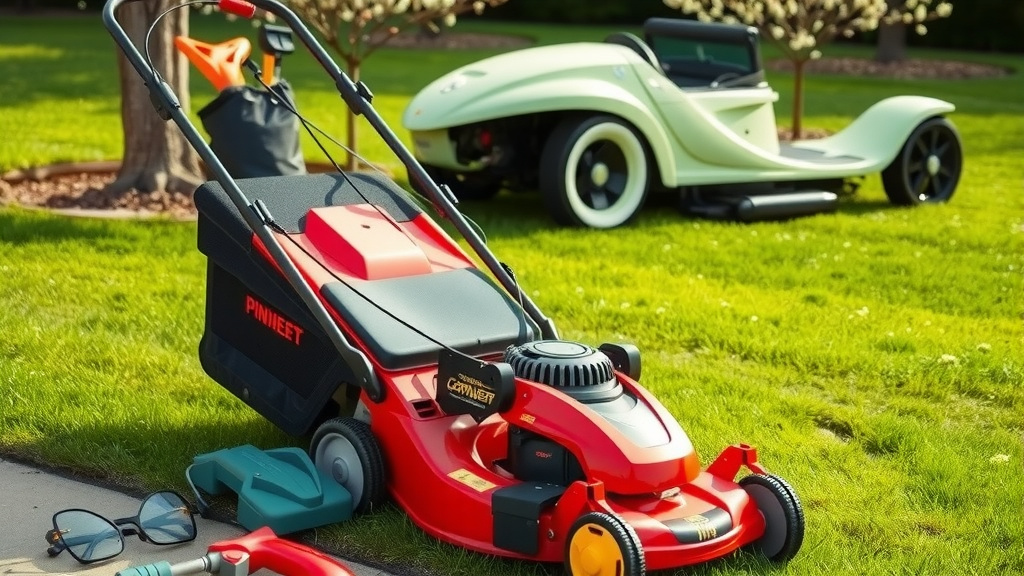
To prep your lawn mower for spring, begin with a thorough cleaning and replace any old fuel in the tank.
Next, check the spark plug, sharpen the blade, change the oil, and clean the air filter for optimal spring performance.
- Give your mower a good wash to remove winter grime and grass clippings.
- Drain stale fuel, then fill with fresh gasoline and a fuel stabilizer.
- Replace the engine oil and put in a brand-new spark plug for reliable starts.
- Inspect the cutting blade; sharpen it or swap it out for a clean, sharp edge.
- Clean or replace the air filter to ensure your engine breathes properly.
How To Prep Lawn Mower For Spring?
To prep your lawn mower for spring, you should perform essential maintenance steps like cleaning, changing fluids, and inspecting key components to ensure a smooth start to the mowing season.
The first warm days of spring often have us dreaming of that perfectly manicured lawn. But before you push that mower out of the shed, a little preparation goes a long way. Think of it as waking your mower from its winter nap, ready for action!
Clean Your Mower From Top to Bottom
Winter storage can leave your mower looking a bit rough. Grass clippings and dirt can harden on the deck. Taking the time to clean your mower thoroughly is a critical first step.
Removing Debris and Grime
Flip your mower on its side (carburetor up if it’s a four-stroke engine, to prevent oil leaks). Scrape off any caked-on grass from the underside of the deck. We found that a stiff brush or a putty knife works wonderfully here.
Many experts say that removing this build-up prevents rust and helps the blade spin freely (Purdue Extension). Don’t forget to wipe down the engine and other accessible areas as well.
Address Your Fuel System
Old gasoline can cause major headaches. Fuel left in the tank over winter can degrade, leading to carburetor issues. This is why fresh fuel is non-negotiable.
Drain Old Fuel and Add Fresh Gas
If you didn’t drain your fuel tank before winter storage, do it now. You can use a siphon pump or simply run the engine dry if there’s only a small amount left. Fill the tank with fresh gasoline, ideally with a fuel stabilizer added. This helps keep your fuel in good condition throughout the mowing season.
Oil Change for a Healthy Engine
Just like your car, your lawn mower benefits from an oil change. Old oil can become contaminated and lose its lubricating properties, which isn’t good for engine longevity.
Why Fresh Oil Matters
Changing the oil is like giving your engine a fresh start. We found that fresh oil reduces friction and helps your engine run cooler and more efficiently. Consult your owner’s manual for the correct type and amount of oil for your specific model.
Spark Plug Inspection and Replacement
A small but mighty component, the spark plug is vital for starting your mower. A dirty or worn spark plug can lead to misfires and difficulty starting.
Ensuring a Strong Spark
Remove the spark plug using a spark plug wrench. Inspect the electrode for wear or carbon build-up. Many guidelines point to replacing the spark plug annually (Briggs & Stratton). It’s an inexpensive part that can make a huge difference in reliable starting.
Sharpen or Replace the Blade
A dull blade tears grass rather than cutting it cleanly. This can stress your lawn and make it more susceptible to disease. A sharp blade is a must-have.
The Edge on a Healthy Lawn
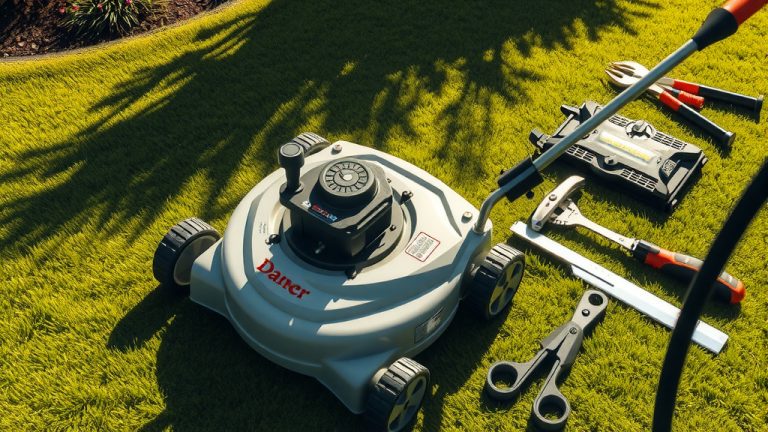
Carefully remove the blade (wear heavy gloves!). You can sharpen it yourself with a file or grinder, or take it to a professional. If the blade is bent, chipped, or severely worn, it’s best to replace it entirely. A balanced blade ensures smooth operation and a clean cut, avoiding unnecessary vibration.
Air Filter Check-Up
Your engine needs clean air to run efficiently. A clogged air filter restricts airflow, leading to reduced power and increased fuel consumption.
Let Your Engine Breathe Easy
Locate and remove the air filter. If it’s a paper filter and looks dirty, replace it. Foam filters can often be cleaned with soap and water, then dried thoroughly and lightly oiled (many manufacturers recommend this). A clean air filter ensures your engine gets the proper air-fuel mixture.
Inspect Wheels and Drive Belts
Don’t forget the moving parts! Your mower’s wheels and belts are crucial for smooth operation and self-propelled models.
Checking for Wear and Tear
Check the tire pressure on models with pneumatic tires and lubricate any moving parts on the wheels. For self-propelled mowers, inspect the drive belt for cracks or excessive wear. Many experts emphasize that a worn belt can lead to poor traction or complete failure of the self-propel function.
Battery Maintenance (for Electric Start)
If your mower has an electric start and a battery, it needs a little love too. A dead battery means no easy push-button start.
Charge and Connect
Ensure the battery is fully charged. If you removed it for winter storage, clean the terminals before reconnecting. Many manufacturers recommend using a trickle charger over winter to maintain battery health.
Final Checklist: Ready to Mow?
Before that first cut, a quick run-through ensures you haven’t missed anything.
- Double-check all fluid levels.
- Make sure all bolts and nuts are tight.
- Clear any tools or debris from around the mower.
- Review your owner’s manual for specific seasonal tips.
- Test run the mower for a few minutes before cutting.
Here’s a quick reference for your spring mower prep:
| Maintenance Task | Why It’s Important |
|---|---|
| Clean Mower Deck | Prevents rust, improves airflow, reduces vibrations. |
| Drain Old Fuel | Prevents carburetor issues and engine damage. |
| Change Oil | Ensures proper lubrication, extends engine life. |
| Replace Spark Plug | Guarantees easy and reliable starting. |
| Sharpen/Replace Blade | Achieves a clean cut, promotes lawn health. |
| Check Air Filter | Optimizes engine performance and fuel efficiency. |
Conclusion
Prepping your lawn mower for spring might seem like a bit of work, but it truly pays off. A well-maintained mower runs smoother, cuts better, and lasts longer. Taking these proactive steps ensures your first mow of the season is a joy, not a frustrating chore. Your lawn—and your mower—will thank you!
What should I do if my lawn mower won’t start after spring prep?
If your mower still won’t start, first re-check the fuel, spark plug connection, and air filter. Ensure the choke is set correctly, and you have fresh, stabilized fuel. Sometimes, a stubborn carburetor may need a professional cleaning.
How often should I change my lawn mower’s oil?
Most lawn mower manufacturers recommend changing the oil at least once per mowing season, or every 25-50 operating hours, whichever comes first. Heavy use or dusty conditions might require more frequent changes.
Can I sharpen my lawn mower blade myself?
Yes, you can sharpen your lawn mower blade yourself using a metal file, grinder, or even a specialized sharpening tool. Remember to wear gloves and eye protection, and ensure the blade remains balanced after sharpening to prevent vibrations.
Is fuel stabilizer really necessary for my lawn mower?
Many industry experts agree that fuel stabilizer is highly recommended, especially if your mower sits unused for more than a few weeks. It prevents fuel degradation and keeps your engine’s fuel system clean, avoiding costly repairs down the line.
How do I know if my air filter needs to be replaced or just cleaned?
For paper air filters, if they appear visibly dirty, torn, or clogged with debris, it’s best to replace them. Foam filters can often be washed with mild soap and water, dried completely, and lightly oiled. If a foam filter is brittle or crumbling, replace it.