
How to Replace a Lawn Mower Spark Plug?
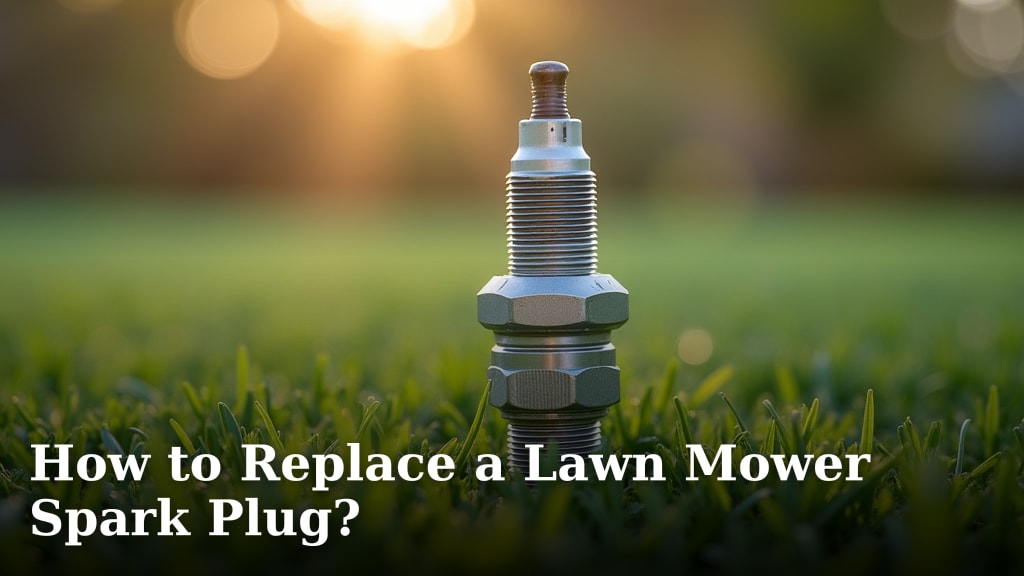
The easiest way to replace a lawn mower spark plug is by gathering your tools, disconnecting the spark plug wire, and then unscrewing the old plug. After that, you simply screw in the new plug, reconnect the wire, and you’re good to go. It’s a quick fix that often solves many common engine problems.
A fresh spark plug can make a big difference in how your lawn mower runs. You might notice easier starting, better fuel efficiency, and a smoother engine. It’s an important part of keeping your lawn mower in top working condition, and it’s a lot simpler than you might think.
- Gather your basic tools.
- Locate and disconnect the old spark plug.
- Remove the worn-out spark plug.
- Install the new spark plug correctly.
- Reconnect and test your mower.
Ready to get your mower purring again? Let’s walk through exactly how to replace this small but mighty part, step by step.
Getting Started with Your Spark Plug Replacement
Replacing a lawn mower spark plug is a straightforward task you can handle yourself. It typically takes less than 30 minutes. You just need a few basic tools and a bit of patience. This small repair can make a big difference in how your mower performs, saving you time and frustration later on.
Safety First: Always Disconnect the Spark Plug Boot
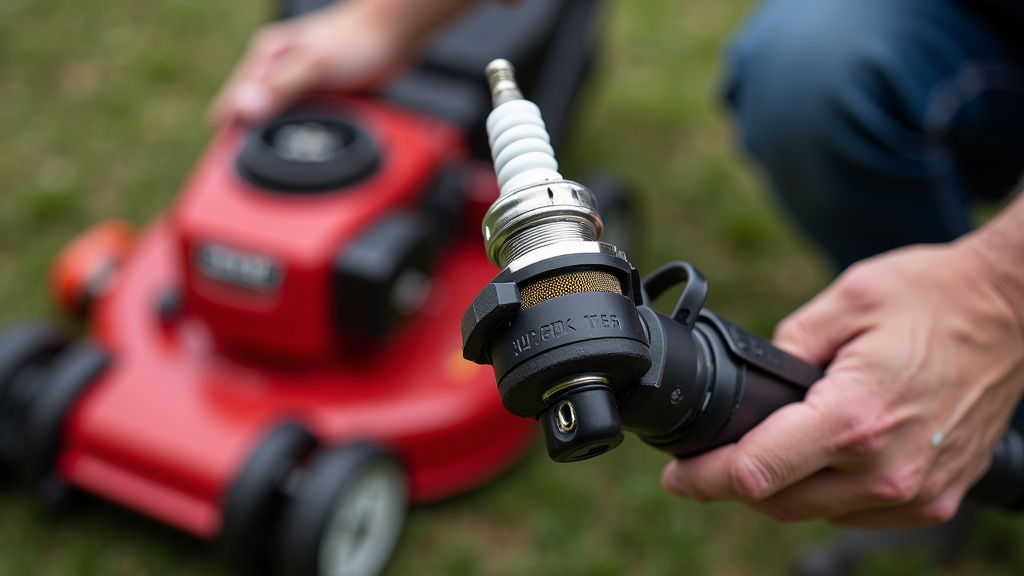
Before you touch anything, always disconnect the spark plug boot. This is a rubber or plastic cap covering the end of the spark plug wire. Why is this so important? Because it prevents the engine from accidentally starting while you’re working. An unexpected start could lead to serious injury. Think of it as hitting the “off” switch for your engine’s power supply. This single step ensures your safety above all else.
Push the boot firmly off the plug. It might be snug, so a gentle wiggle can help. Once it’s off, tuck the wire away from the spark plug opening. You don’t want it swinging back and connecting by accident. Many manufacturers, including Briggs & Stratton, emphasize this step for preventing unintentional engine starts.
Locating and Identifying Your Spark Plug
Your lawn mower’s spark plug is usually easy to find. It’s a small, cylindrical component, often with a white ceramic insulator, sticking out from the engine. It will have a thick wire attached to it — that’s the one you just disconnected. Spark plugs are essential for igniting the fuel-air mixture in the engine cylinder. Without them, your engine won’t run.
Different mowers might have the spark plug in slightly different spots. On most walk-behind mowers, it’s usually on the front or side of the engine block. For riding mowers, it could be more tucked away. If you can’t spot it right away, check your owner’s manual. It will show you exactly where to look.
Matching Your New Spark Plug
Once you’ve found the old plug, you’ll need to know which new one to buy. Look for markings on the ceramic part of your old spark plug. You’ll often see a series of letters and numbers. These codes tell you important details like the heat range, thread size, and reach of the plug. It’s like finding the model number for a light bulb. Getting the right size and type is critical for your engine’s health.
If the old plug is too dirty to read, your owner’s manual is your best friend. It will list the correct spark plug specifications or part number. If you don’t have the manual, a quick online search with your mower’s model number usually works too. Using the wrong plug can cause poor performance or even engine damage. We always recommend getting an exact match.
Necessary Tools for the Job
You don’t need a huge toolbox for this task. Most of the items are probably already in your garage. Having them ready before you start will make the process smooth and quick. It’s like preparing your ingredients before cooking. Here’s what we found you’ll likely need:
- Spark plug wrench (deep socket, typically 13/16″ or 5/8″)
- Ratchet or breaker bar (to attach to the spark plug wrench)
- Clean rag or shop towel
- Wire brush (optional, for cleaning around the plug)
- Feeler gauge (for checking gap, if your new plug isn’t pre-gapped)
- New spark plug (the correct type for your mower)
A good spark plug wrench is key. Some mowers even come with a basic one in the box. A deep socket is important because the spark plug sits down into the engine block. A regular socket might not reach far enough. A wire brush can help to clean dirt or debris around the plug before removal, preventing it from falling into the engine cylinder.
Replacing the Spark Plug: Step-by-Step Approach
Now that you’re prepared, let’s get that old plug out and the new one in. Remember, no rushing! A careful approach prevents mistakes and ensures your mower starts right up after the replacement.
Preparing for Removal
Before unscrewing the old spark plug, take a moment to clean the area around it. Use a clean rag or a wire brush to remove any dirt, grass clippings, or debris. Why bother? Because you don’t want any of that grime falling into the engine cylinder when you remove the plug. That could cause serious problems for your engine down the line, essentially introducing contaminants where they shouldn’t be.
Look around for any oil leaks or unusual buildup. This might signal broader engine issues that need attention. But for now, focus on getting the spark plug area clear. A little bit of prevention here saves a lot of headaches later.
Removing the Old Spark Plug
With the area clean and the boot disconnected, it’s time to remove the old plug. Fit your spark plug wrench onto the plug. It should slide on firmly. Attach your ratchet or breaker bar to the wrench. Turn the wrench counter-clockwise to loosen the plug. You might feel some resistance at first; that’s normal. It’s often tightened pretty well from the factory.
Once it breaks loose, you can usually unscrew it the rest of the way by hand. Be careful not to cross-thread it or hit it against other engine parts. Gently pull it out. Take a moment to examine the tip of the old spark plug. Its appearance can tell you a lot about your engine’s health (as we discuss below). If it looks unusually dark, oily, or corroded, it could signal an issue. (Autolite, a major spark plug manufacturer, has many resources on reading spark plugs.)
Checking and Gapping the New Spark Plug
Before installing the new spark plug, check its electrode gap. This is the small space between the center electrode and the ground electrode. Most new spark plugs for lawn mowers are “pre-gapped,” meaning they come set to the correct specification. However, it’s always a good habit to double-check. Using a feeler gauge, measure the gap. Your mower’s manual will specify the correct gap distance.
If the gap isn’t right, you can adjust it carefully. For a wider gap, gently pry the ground electrode outward. For a narrower gap, carefully tap the ground electrode inward against a hard surface. Be gentle! The ceramic insulator is fragile and can crack if you’re too forceful. A cracked insulator means the plug is useless and needs to be replaced.
Installing the New Spark Plug
Now, it’s time for the new plug to go in. First, a little tip: thread the new spark plug in by hand at first. This helps prevent cross-threading, which is when the plug screws in at an angle and damages the threads in the engine block. That’s a repair you definitely want to avoid! Spin it clockwise until it’s finger-tight.
Once it’s hand-tight, use your spark plug wrench and ratchet to tighten it down. How tight? This is where many people get it wrong. Over-tightening can damage the plug or the engine threads. Under-tightening can cause compression loss or overheating. A good rule of thumb is to tighten it about 1/2 to 2/3 of a turn past finger-tight if it’s a new plug with a gasket, or about 1/16 to 1/8 of a turn if it’s a tapered seat without a gasket. Your owner’s manual might have specific torque specifications. If you have a torque wrench, follow those guidelines precisely.
Final Steps and Testing
With the new spark plug securely in place, reattach the spark plug boot. Make sure it clicks firmly onto the plug. You should feel it seat properly. Give it a gentle tug to ensure it won’t come loose. Then, ensure all tools are clear of the engine and surrounding area. You don’t want anything flying around when the engine starts.
Now for the moment of truth: start your mower! It should start more easily and run more smoothly. Listen for any unusual noises or rough idling. If everything sounds good, congratulations! You’ve successfully replaced your lawn mower’s spark plug and given your engine a new lease on life.
Maintenance Schedule for Your Spark Plug
How often should you replace your spark plug? Most lawn mower manufacturers recommend replacing the spark plug annually, or every 25 hours of operation, whichever comes first. This proactive approach helps maintain optimal engine performance and fuel efficiency. Think of it as a small tune-up for your mower.
Replacing it regularly might seem like overkill, but a new spark plug ensures consistent ignition. An old, worn plug can lead to misfires, hard starting, and reduced power. It’s a simple, inexpensive way to keep your mower running its best throughout the mowing season. A well-maintained mower is a happy mower, and a happy mower makes for a happy YOU on yard work day.
Common Spark Plug Appearance and What It Means
Examining your old spark plug isn’t just for fun; it can provide valuable clues about your engine’s health. Here’s a quick guide to what you might see:
| Plug Appearance | What It Means | Possible Issues |
|---|---|---|
| Light tan/gray or whitish deposits | Normal wear, healthy engine. | Good internal engine condition. |
| Black, dry, sooty carbon deposits | Rich fuel mixture or weak spark. | Clogged air filter, too much choke, prolonged idling. |
| Wet, oily deposits | Oil is getting into the combustion chamber. | Worn piston rings, valve guides, or cylinder walls. |
| White, blistered, or melted electrodes | Engine is running too hot (overheating). | Incorrect timing, lean fuel mixture, wrong spark plug heat range. |
| Ash deposits (light brown or white) | Additives in oil or fuel are burning off. | Not usually a problem, but excessive deposits can cover electrodes. |
If your old spark plug looks anything other than light tan or gray, it’s worth investigating. For instance, oily plugs often suggest internal engine wear. Carbon-fouled plugs might point to a dirty air filter or using the wrong fuel. Understanding these signs can help you catch potential problems early, saving you from more costly repairs down the line.
Your Spark Plug Replacement Checklist
To ensure you’ve covered all your bases, here’s a quick checklist to review:
- Engine is cool and spark plug boot is disconnected.
- Area around the spark plug is clean of debris.
- The old spark plug was loosened and removed carefully.
- New spark plug is the correct type and gapped properly.
- New spark plug was threaded in by hand first to prevent cross-threading.
- Spark plug was tightened correctly (not too loose, not too tight).
- Spark plug boot was reconnected firmly.
- Mower started easily and runs smoothly.
Following this checklist gives you confidence that your spark plug replacement was a success. You’ve just given your mower a vital refresh, preparing it for many more hours of reliable service. Pat yourself on the back – you’ve mastered another DIY maintenance task!
Conclusion
By now, you’ve conquered a common lawn mower task. Replacing your spark plug is a small chore that yields big results. You’ve learned how to safely remove the old plug and correctly install a new one. This simple maintenance step ensures your mower starts easily and runs efficiently. You’ve also gained insight into what your old plug might tell you about your engine’s health. Keep this information in mind for future maintenance. Now, go enjoy your perfectly cut lawn!
Frequently Asked Questions
Can a bad spark plug prevent a lawn mower from starting?
Yes, absolutely. A fouled, worn, or incorrect spark plug is one of the most common reasons a lawn mower won’t start. It can fail to create the necessary spark to ignite the fuel. Replacing it is often the first troubleshooting step.
How often should I check my lawn mower spark plug?
It’s a good practice to inspect your spark plug at the beginning of each mowing season. While many brands suggest annual replacement, a quick visual check can identify issues. This helps you address potential problems before they become bigger.
What happens if I use the wrong type of spark plug?
Using the wrong spark plug can lead to various problems. It might cause poor engine performance, misfires, or even damage the engine. Always match the plug to your mower’s specifications for optimal results. Your owner’s manual is the best place to find this information.
Do new spark plugs need to be gapped?
While many new lawn mower spark plugs come pre-gapped, always double-check. Gaps can shift during shipping. Use a feeler gauge to confirm it matches your mower’s recommended specifications. This ensures the best spark and engine performance.
Is it normal for a spark plug to be slightly oily?
A little bit of oil sheen might be normal, especially if your engine has some age. However, if the plug is heavily coated in wet, black oil, it suggests a more significant issue. This often points to oil getting into the combustion chamber. Investigate further if you see this.
