How To Prevent Vapor Lock On A Lawn Mower?
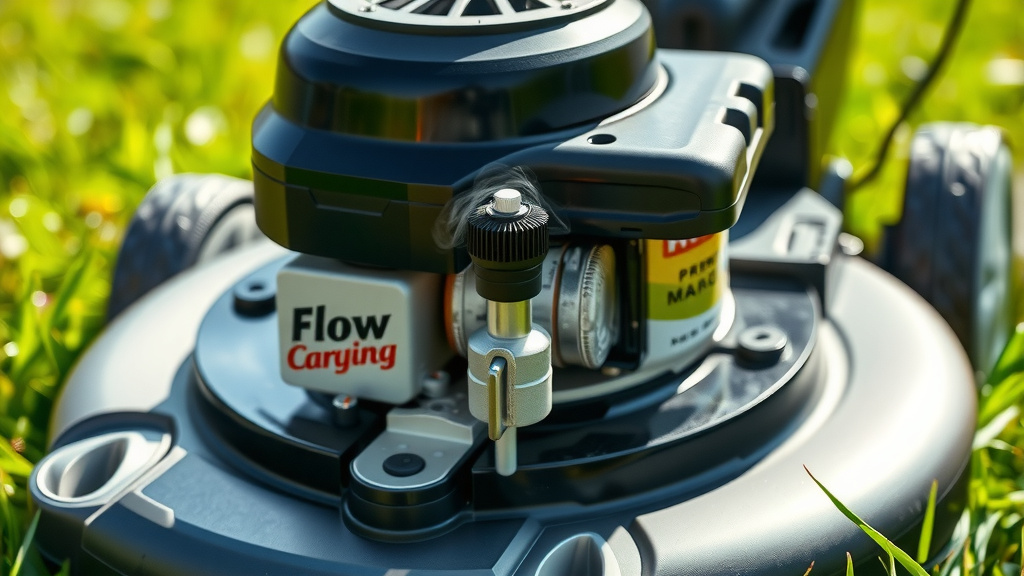
To prevent vapor lock on a lawn mower, always keep your fuel tank full, use fresh, non-ethanol gasoline, and maintain a clean engine to ensure optimal cooling.
These straightforward actions stop fuel from overheating and turning into vapor within the fuel lines, a common cause of your mower suddenly quitting or failing to start.
Here’s a quick look at how to keep your mower running smoothly and avoid vapor lock:
- Keep your fuel tank topped up to reduce air space.
- Always use fresh, high-quality fuel, ideally ethanol-free.
- Clean your engine’s cooling fins and air filter regularly.
- Mow during cooler parts of the day, like mornings or evenings.
- Inspect fuel lines and filters for any blockages or damage.
How To Prevent Vapor Lock On A Lawn Mower?
Preventing vapor lock on your lawn mower means keeping your fuel system cool and your fuel stable. It’s about smart choices and simple upkeep.
What Exactly Is Vapor Lock?
Think of vapor lock like this: your fuel turns into a gas bubble inside the fuel line. Imagine trying to drink through a straw, but there’s a big air pocket in the middle. Nothing gets through!
This air bubble blocks the liquid fuel from reaching the engine. Your mower then starves for fuel and quits working. It’s frustrating, especially when you’re halfway through the lawn.
Why Does Vapor Lock Happen?
Vapor lock primarily happens due to excessive heat. Hot weather, a hot engine, or even direct sunlight can heat the fuel line.
When fuel gets too hot, it vaporizes, forming those problematic bubbles. Modern fuels, especially those with ethanol, are more susceptible to this issue (Consumer Reports).
Signs Your Mower Has Vapor Lock
How do you know if it’s vapor lock and not something else? Often, your mower might start fine but then suddenly sputter and die after running for a bit.
It might refuse to restart until it cools down. You might also notice a weak engine or inconsistent power. These are clear indicators something’s off in the fuel delivery.
Immediate Fixes for Vapor Lock
If your mower is already experiencing vapor lock, the best immediate fix is to let it cool down. Move it into the shade if possible.
You can also try opening the fuel cap briefly to release any pressure. Just be careful around hot engine parts. Patience is key here.
The Core Strategy: Keeping It Cool
The best defense against vapor lock is preventing heat from affecting your fuel. This strategy involves both how you operate and maintain your mower.
Keep Your Fuel Tank Full
A full fuel tank leaves less air space for heat to build up. More fuel means more mass to absorb heat, keeping the fuel cooler.
It’s like a thermal buffer for your gasoline. Always topping off before and after use is a small habit that makes a big difference.
Use Fresh, Quality Fuel
Old or low-quality fuel can be more prone to vaporizing. We found that fresh, clean gasoline with a higher octane rating is less volatile.
Many experts say to avoid ethanol-blended fuels if possible (ECHO Power Equipment). Ethanol can absorb water and lower the fuel’s boiling point, increasing vapor lock risk.
Strategic Mowing Times
Mowing in the midday sun on a hot summer day is asking for trouble. The heat radiating off the ground and sun can quickly warm up your engine and fuel.
Try to mow during the cooler parts of the day, like early mornings or late evenings. This simple change significantly reduces thermal stress on your mower.
Maintenance Matters: A Preventative Checklist
Regular maintenance is your secret weapon against many mower problems, including vapor lock. A well-maintained machine runs cooler and more efficiently.
Cleanliness is Key
Your engine has cooling fins designed to dissipate heat. If these are caked with grass clippings, dirt, or debris, they can’t do their job.
Regularly clean the engine shrouds and cooling fins. Also, ensure your air filter is clean; a dirty filter makes the engine work harder and run hotter.
Check Fuel Lines & Filters
Inspect your fuel lines for cracks or kinks that could restrict flow. A restricted line can cause fuel to heat up more. Also, make sure your fuel filter is clean.
A dirty filter makes the fuel pump work harder, potentially adding heat. Replacing these components annually is a good preventative measure.
Consider a Fuel Stabilizer
While not a direct vapor lock preventative, a good fuel stabilizer keeps your fuel fresh for longer. This indirect benefit means you’re less likely to use old, volatile fuel.
It’s especially handy for off-season storage or if you don’t use your mower frequently. Think of it as keeping your fuel youthful.
Here’s a quick comparison of fuel types and their typical vapor lock risk:
| Fuel Type | Vapor Lock Risk | Notes |
|---|---|---|
| Regular Unleaded (with Ethanol) | Higher | Ethanol lowers boiling point, attracts water. |
| Ethanol-Free Gasoline | Lower | More stable, preferred for small engines. |
| Premium Unleaded (often Ethanol-Free) | Lowest | Higher octane, often no ethanol, but check label. |
Picture your mower on a hot day, panting like a dog after a long run. Its engine is hot, and the fuel in its lines is getting warm. If you don’t provide some relief, it’s going to seize up, just like that dog needs a cool drink and some shade. Your mower needs the same consideration!
When To Call a Pro
If you’ve tried all these preventative steps and your mower still consistently suffers from vapor lock, it might be time for a professional diagnosis. There could be a more significant issue at play.
Perhaps a faulty fuel pump, a partially clogged carburetor, or a problem with the cooling system. A mechanic can identify and address these underlying causes.
Mower Vapor Lock Prevention Checklist
- Always fill your fuel tank completely before use.
- Use fresh, quality, and ideally ethanol-free gasoline.
- Clean engine cooling fins and shrouds regularly.
- Maintain a clean air filter for proper engine breathing.
- Inspect fuel lines for kinks, cracks, or damage.
- Replace the fuel filter annually or as needed.
- Mow during cooler parts of the day.
- Keep your mower in the shade when not in use.
Conclusion
Preventing vapor lock on your lawn mower is straightforward with a bit of care and attention. By understanding why it happens and adopting simple habits, you can keep your machine running smoothly.
Focus on keeping your fuel cool and clean, and maintaining your engine’s cooling system. These steps ensure your mower is always ready for action, helping you maintain a beautiful lawn without frustrating interruptions.
What kind of fuel is best to prevent vapor lock?
The best fuel to prevent vapor lock is fresh, high-octane, ethanol-free gasoline. Ethanol can lower the fuel’s boiling point, making it more prone to vaporizing in hot conditions. Always check your mower’s manual for specific fuel recommendations.
Can engine heat alone cause vapor lock?
Yes, engine heat is a primary factor in causing vapor lock. The heat from a running engine, especially on a hot day, can transfer to the fuel lines and tank, causing the gasoline to vaporize and create air pockets. A dirty engine or clogged cooling fins can make this issue worse.
Does vapor lock damage my lawn mower?
Vapor lock itself doesn’t directly damage your mower in the long term. It primarily causes inconvenience by stopping the engine. Repeated occurrences, however, might indicate underlying issues like an improperly cooling engine or a struggling fuel system, which could lead to wear over time if not addressed.
How long does it take for a mower to cool down after vapor lock?
The time it takes for a mower to cool down after vapor lock can vary based on ambient temperature and engine size. Generally, allowing your mower to sit in the shade for 15-30 minutes is often enough for the fuel system to cool down and the vapor to condense back into liquid, allowing you to restart it.
Is vapor lock more common in specific types of lawn mowers?
Vapor lock can affect various small engines, including different types of lawn mowers. However, it’s often more noticeable in mowers that operate in hotter conditions, have less efficient cooling systems, or those using fuel lines that run very close to hot engine components. It’s less about the mower type and more about the operating environment and fuel quality.