
How To Make A Remote Controlled Lawn Mower?
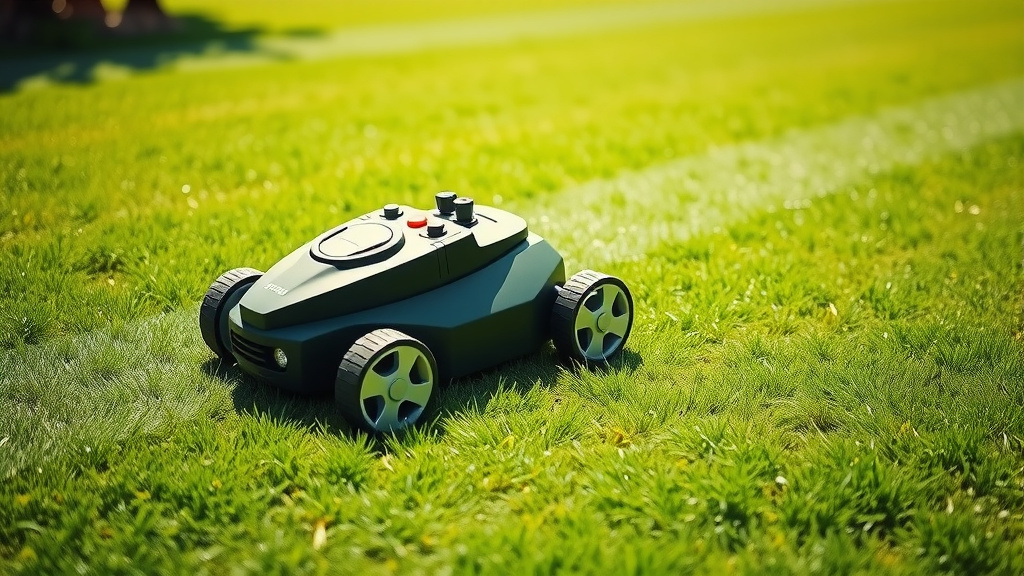
To make a remote controlled lawn mower, you need to integrate an RC control system with your existing mower’s engine and drive mechanisms. This involves adding motors or servos to control steering, throttle, and blade engagement, all linked to a receiver and operated by a handheld transmitter.
The project requires mechanical and electrical skills to safely adapt a standard mower for remote operation, ensuring you can stop the blades and engine instantly for safety.
-
Transforming your lawn mower into a remote-controlled machine lets you cut grass from a distance.
-
You’ll need an RC transmitter, receiver, motor controllers, and actuators for steering and engine functions.
-
Safety is key: always include a kill switch for blades and power.
-
The project involves electrical wiring, mechanical adaptation, and careful testing.
How To Make A Remote Controlled Lawn Mower?
Making a remote-controlled lawn mower means adding electronic controls to manage its movement and cutting actions. You’re essentially building a robot that cuts grass, guided by your hand.
Why Consider a Remote-Controlled Mower?
Have you ever thought about cutting your lawn without breaking a sweat? A remote-controlled mower offers some cool advantages. For starters, it can make mowing a lot safer on slopes or uneven terrain, keeping you away from immediate danger. We found that many people enjoy the convenience and even the fun aspect of operating machinery from a distance.
It also lets you tackle those areas that are tricky or even dangerous to reach with a traditional push or riding mower. Imagine guiding your mower under bushes or into tight spots without having to squeeze yourself in there! This project can be a rewarding experience for those who love to tinker.
Is This Project For You?
Before you jump in, ask yourself: do I enjoy working with my hands? This isn’t just about plugging things in; it involves a bit of mechanical and electrical know-how. You’ll be dealing with engines, wires, and custom parts. If you’re comfortable with basic tools and understand simple circuits, you’re off to a great start. Many experts suggest starting with a simpler mower type if you’re new to robotics (Robotics Today).
Essential Components You’ll Need
Building an RC mower is like putting together a puzzle, where each piece plays a vital role. You’ll need a few key items to get started.
The Core RC System
You’ll need a reliable RC transmitter and receiver. These are what send your commands from your hands to the mower. Think of it like a remote control car, but much bigger! We found that a multi-channel system is often required, as you’ll need to control more than just forward and back.
Power and Control for Movement
Next up are the servos or linear actuators. These are small motors that will physically move the mower’s steering or throttle. For the drive wheels, you might need powerful DC motors and electronic speed controllers (ESCs) to manage their pace. A robust battery pack, often a lead-acid or LiPo, will power all these electronics. Many experts recommend a dedicated battery for the RC system, separate from the mower’s starting battery.
The Mower Itself
Of course, you’ll need a lawn mower! A push mower is often easier to convert due to its simpler mechanics. Riding mowers offer more space but also present a greater control challenge. Consider one with a robust chassis and reliable engine. We found that models with easily accessible controls work best.
Here’s a quick checklist of primary components:
- RC Transmitter (multi-channel)
- RC Receiver
- High-torque Servos or Linear Actuators (for steering, throttle)
- DC Motors (for drive, if not using mower’s drivetrain)
- Electronic Speed Controllers (ESCs)
- Power Source (battery pack for RC system)
- Wiring and Connectors
- Project Enclosure (weatherproof)
- Emergency Kill Switch
Prioritizing Safety: A Must-Do
Safety is not just a suggestion; it’s the absolute rule. You’re working with sharp blades and a powerful engine. Always install a prominent kill switch that cuts power to the engine and disengages the blades instantly. This switch should be easily reachable on both the mower and the remote. Remember, research shows that most lawn mower accidents involve contact with the blade (Consumer Product Safety Commission).
When working with electricity, always disconnect the battery before making any connections. Wear appropriate safety gear like gloves and eye protection. It’s like baking a cake; you follow the recipe, but you also make sure the oven mitts are on!
Preparing Your Current Lawn Mower
Before adding the RC components, you need to adapt your existing mower. This often means modifying how its engine runs and how it steers.
Engine Control Adaptations
You’ll need to find a way for your RC system to control the throttle and potentially the choke. A servo can pull a lever, just like your hand would. This requires some custom brackets and linkages. We found that smooth, friction-free movement is key for reliable control.
Steering and Drive System Integration
For steering, you might add a servo to turn the front wheels of a riding mower. For a push mower, you might need to add independent motors to the rear wheels for skid steering. This is where the project gets really hands-on. Many experts recommend robust components here, as they bear the most strain.
| Mower Type | Steering Method | Drive Method |
|---|---|---|
| Push Mower | Skid Steering (differential wheel speed) | Independent DC Motors on wheels |
| Riding Mower | Front Wheel Servo Actuator | Original Mower Drivetrain (throttle controlled) |
This table shows common approaches. Your specific mower might need a slightly different strategy. It’s like finding the right key for a lock; some adjustments might be needed.
Step-by-Step: The Build Process
Here’s a simplified path to bringing your RC mower to life. Remember, patience is your best friend!
- Mount Your Components Securely: Find a good spot for your servos, motor controllers, and receiver. They should be protected from vibrations, dirt, and moisture. A weatherproof enclosure is a smart choice.
- Wire Everything Up: This is where your electrical skills come in. Connect the receiver to the ESCs and servos. Ensure your battery provides power correctly. Double-check all connections before applying power.
- Connect Mechanical Linkages: Attach the servos or actuators to the mower’s throttle and steering mechanisms. Test these linkages by hand to ensure they move freely without binding.
- Install Your Kill Switch: Place it prominently on the mower chassis and ensure it’s wired to cut power to the engine and RC system immediately. We found that a clear, red button works best for visibility.
Calibrating Your Remote System
Once everything is physically connected, you need to “teach” your remote and receiver to talk to each other. This is called binding and calibration. Follow your RC system’s instructions carefully. You’ll set the limits for throttle and steering, ensuring smooth, predictable movement. It’s like teaching a dog new tricks; it takes repetition and precision.
First Run Safety Checks
Never take your RC mower for its first spin without thorough checks. Test it in an empty, safe area, far away from people, pets, or breakable objects. Start slowly. Does it respond correctly to your commands? Does the kill switch work perfectly? Research often connects pre-operation checks with reduced accident rates (OSHA guidelines).
Understanding Battery Life and Range
Your RC mower’s run time depends heavily on your battery’s capacity and the power draw of your components. A larger battery equals more run time, but also more weight. Range is about your RC system’s signal strength. We found that a good line of sight between the transmitter and receiver often improves range and reliability. Obstacles like buildings or thick trees can shorten it significantly.
Maintenance Tips for Your RC Mower
Just like any piece of machinery, your RC mower needs regular care. Check all electrical connections for looseness or corrosion. Inspect mechanical linkages for wear. Keep the enclosure sealed to protect electronics from dust and moisture. A little bit of preventative maintenance can save you big headaches later on. It’s like oiling your bicycle chain; it keeps things running smoothly.
DIY vs. Buying a Ready-Made RC Mower
So, you’ve built one. But what if you don’t have the time or the inclination? You could always buy a ready-made unit. Here’s a quick look at the trade-offs.
- DIY Remote Controlled Mower
- Pros: Customization, learning experience, often lower initial cost (if you have parts).
- Cons: Time-consuming, technical skill required, potential for safety issues if not done right.
- Ready-Made Remote Controlled Mower
- Pros: Convenience, guaranteed performance, built-in safety features, warranty.
- Cons: Higher cost, less customization, specific models might not fit all needs.
Common Hurdles and How to Fix Them
You might encounter some bumps along the way. Signal loss can often be fixed by ensuring a clear line of sight or checking antenna placement. Power issues often point to loose wires or an underpowered battery. If your mower isn’t steering correctly, check the servo’s connections and mechanical linkages. It’s like troubleshooting a computer; sometimes, a simple restart or a wire check makes all the difference.
Conclusion
Converting a standard lawn mower into a remote-controlled unit is a rewarding project for any DIY enthusiast. It combines mechanical skills, electrical knowledge, and a good dose of problem-solving. By prioritizing safety, choosing the right components, and carefully following each step, you can enjoy the convenience and fun of mowing your lawn from a distance. Remember, the goal is not just a functioning mower, but a safe one.
Are remote-controlled lawn mowers safe?
Yes, remote-controlled lawn mowers can be very safe if designed and operated correctly. The most important safety features include an easily accessible kill switch for immediate engine and blade shutdown, sturdy construction, and proper training for the operator. Many experts emphasize the need for robust safety systems, especially for DIY projects.
Can any lawn mower be converted to remote control?
While theoretically possible, some lawn mowers are much easier to convert than others. Push mowers with simpler mechanical linkages are generally more straightforward. Riding mowers can be converted but require more complex modifications to their steering and drive systems. The ease of access to the engine and drive controls plays a big role.
What skills do I need to build an RC lawn mower?
You’ll need a combination of mechanical and electrical skills. This includes basic wiring, soldering, understanding electronic components like servos and ESCs, and fabricating custom brackets. Familiarity with basic hand tools and a problem-solving mindset are also highly beneficial for tackling unexpected challenges.
How much does it cost to make a remote-controlled lawn mower?
The cost varies widely depending on whether you’re repurposing existing parts, buying new components, and the complexity of your design. You could spend anywhere from a few hundred dollars to over a thousand. The main expenses often come from powerful servos, motor controllers, batteries, and the RC transmitter/receiver system.
What are the benefits of having a remote-controlled lawn mower?
The key benefits include increased safety by allowing you to operate the mower from a distance, especially on steep slopes or in challenging areas. It also offers convenience, reduces physical strain, and can be an enjoyable project for hobbyists. Remote control can also make it easier to reach tight spots or under low obstacles.
