How To Price Out Lawn Mowing?
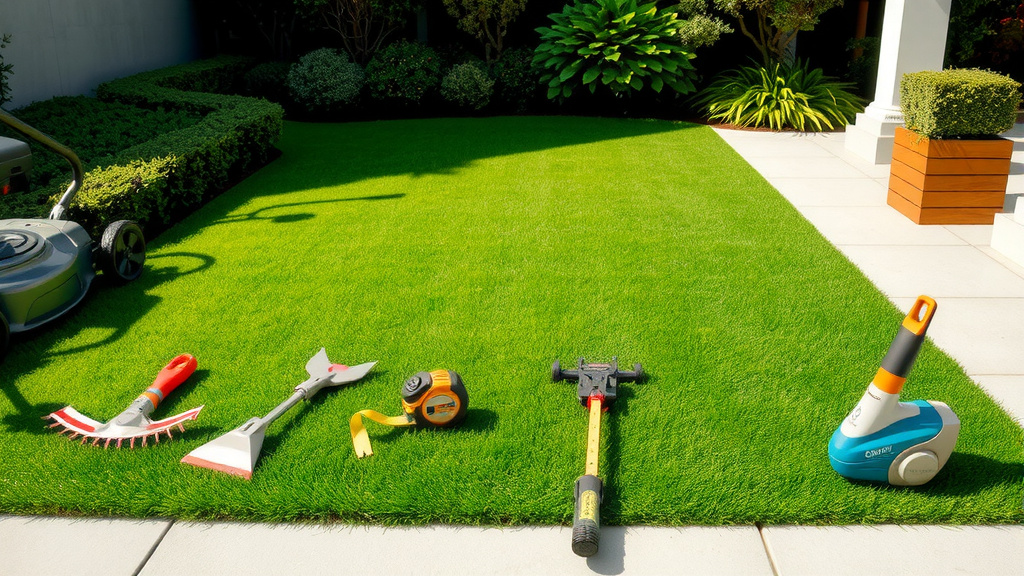
To price out lawn mowing, start by measuring the lawn’s size in square feet and estimating the time it will take. Then, consider your operating costs, desired profit margin, and local market rates to set a competitive and fair price.
Many lawn care professionals recommend a balanced approach, combining an hourly rate calculation for your labor with a flat-rate charge based on the specific property’s characteristics.
- Get clear on your costs: fuel, equipment, insurance, and your time.
- Measure the lawn accurately; size is a huge pricing factor.
- Research what other lawn services charge in your area.
- Factor in extras like trimming, edging, and blowing debris.
- Always add a profit margin; your business needs to grow.
How To Price Out Lawn Mowing?
Pricing your lawn mowing services can feel like a tricky puzzle. You want to earn a fair living, but you also need to stay competitive, right? It’s a balance between knowing your worth and understanding what the market will bear. We often find that a clear strategy helps remove the guesswork.
Understanding Your Core Pricing Approach
Before you even think about numbers, consider your basic approach. Will you charge by the hour, or offer a flat rate per job? Each has its perks and drawbacks. Many new businesses wonder which path to take first. Both methods can work, but one might suit you better.
Hourly vs. Flat Rate: Which is Best?
Charging an hourly rate seems simple. You track your time, and that’s what you bill. This method protects you from underpricing a difficult job. However, customers sometimes prefer a flat rate because they know the cost upfront (Business Review). A flat rate builds trust and predictability for your client. We have found that most successful businesses use a hybrid, calculating an internal hourly rate but presenting a flat rate to the customer.
Key Factors That Influence Your Lawn Mowing Price
No two lawns are exactly alike. That’s why a one-size-fits-all price rarely works. Several elements truly affect how much you should charge. Thinking through these points will help you build a solid quote. It’s like being a detective, looking for clues on each property.
Lawn Size Matters Most
The size of the lawn is, without doubt, the biggest factor. Larger lawns simply take more time and fuel to mow. You will need to measure the property, perhaps with a measuring wheel or satellite tools (many online tools exist). Don’t just guess; accurate measurements are key to fair pricing for both you and your customer.
| Lawn Size Category | Approximate Square Feet | Estimated Mowing Time |
|---|---|---|
| Small | Up to 5,000 sq ft | 30-45 minutes |
| Medium | 5,000 – 10,000 sq ft | 45-75 minutes |
| Large | 10,000 – 20,000 sq ft | 75-120 minutes |
| Extra Large | Over 20,000 sq ft | 2+ hours |
Condition of the Lawn and Terrain
Is the grass overgrown, or has it been regularly maintained? Overgrown grass takes more passes and effort. Are there lots of obstacles like trees, flower beds, or garden ornaments? Slopes and uneven terrain also slow you down. These factors add time and sometimes require special care, making the job more difficult (Lawn Care Industry Report).
Service Scope: What’s Included?
What exactly are you providing in your service? Just mowing? Or does your quote include trimming around obstacles, edging along driveways and sidewalks, and blowing clippings off hard surfaces? Customers appreciate knowing what they get. A clear breakdown avoids any surprises later on. This helps manage expectations.
Your comprehensive mowing service might include:
- Mowing all turf areas
- Trimming around beds, trees, and fences
- Edging driveways and sidewalks for a clean line
- Blowing clippings off hard surfaces
- Basic debris removal from the lawn
Equipment and Fuel Costs
Your lawn mower isn’t free to run. Think about the fuel, oil changes, blade sharpening, and general wear and tear. These are direct costs for every job. More powerful equipment might speed things up, but it often costs more to maintain. Don’t forget to factor in these operational expenses when calculating your price.
Local Market Rates and Competition
What are other lawn care businesses charging in your specific area? Researching your competition is not about copying them, but understanding the local market’s expectations. Are you priced too high, or maybe too low? We often find that a quick survey of competitors can offer valuable insights. This helps you position your services effectively.
Your Business Overheads
Beyond fuel and labor, running a business has other costs. Things like vehicle maintenance, insurance, marketing, and your own administrative time all add up. These are your overheads, and you must cover them to keep your business running smoothly. Ignoring these costs can lead to financial strain over time (Small Business Association).
Calculating Your Costs: A Step-by-Step Guide
Ready to crunch some numbers? Follow these steps to build a pricing structure that works for you. It’s a systematic way to ensure you are profitable while offering value. Don’t rush this part; precision here really pays off.
Estimate Time per Job
This is crucial. Based on the lawn size, condition, and services needed, how long will it realistically take you? Factor in travel time to and from the job site too. Your time is valuable, so track it closely. We recommend timing your first few jobs to get accurate estimates.
Factor in Materials and Labor
Add up the fuel used, any small materials (like trimmer line), and your hourly wage. What do you need to pay yourself and any employees for their time? This gives you your direct cost for the job. Knowing this number is your foundation for a solid quote.
Add Your Desired Profit Margin
This is where your business makes money. A profit margin ensures you can reinvest in better equipment, handle unexpected expenses, or simply grow your savings. Many experts suggest aiming for a margin of 15-30% on top of your costs. What feels right for your business goals?
Review and Adjust Regularly
The market changes, and your costs might change too. Fuel prices can fluctuate, or you might upgrade your equipment. Periodically review your pricing to ensure it still makes sense. Are you still profitable? Are your customers happy? This keeps your business agile (Economic Policy Review).
Tips for Presenting Your Quote
Once you have your price, how do you share it with the customer? The way you present your quote can make a big difference. You want to appear professional, transparent, and trustworthy. Remember, you’re building a relationship, not just selling a service.
Be Clear and Transparent
Always itemize what’s included in your price. “Mowing, trimming, edging, blowing” is far better than just “lawn service.” Customers want to know exactly what they are paying for. This eliminates confusion and builds confidence in your service. Think of it as painting a clear picture.
Offer Different Service Tiers
Sometimes, offering a few options can be helpful. A basic mow, a standard package (mow, trim, edge, blow), and a premium package (all of the above plus weeding or shrub trimming). This gives customers choices and can often lead to them opting for a higher-value service. It’s like a menu, allowing flexibility.
Conclusion
Pricing your lawn mowing services requires a thoughtful approach. By understanding your costs, valuing your time, assessing the unique characteristics of each lawn, and staying aware of local market conditions, you can set prices that are fair for both you and your customers. Remember, it’s about building a sustainable business. Don’t be afraid to adjust as you learn and grow. Your pricing strategy is a living thing, ready to be refined.
How do I calculate my hourly rate for lawn mowing?
To calculate your hourly rate, first total all your monthly business expenses (insurance, fuel, equipment depreciation, etc.). Then, add your desired personal income. Divide this total by the number of hours you expect to work in a month. This gives you a baseline for what you need to earn per hour to be profitable.
Should I offer discounts for recurring services?
Yes, many successful lawn care businesses offer a small discount for customers who commit to recurring services (e.g., weekly or bi-weekly). This encourages customer loyalty and provides a predictable income stream for your business. It’s a common practice that benefits both parties.
What if a customer thinks my price is too high?
If a customer questions your price, politely explain the factors that contribute to your quote. Detail the services included, your professional equipment, insurance, and the time involved. If possible, offer a slightly scaled-back service option to fit their budget, but never compromise your profitability too much. Be confident in your value.
How often should I review my lawn mowing prices?
It’s a good idea to review your lawn mowing prices at least once a year, or whenever there’s a significant change in your operating costs, such as fuel prices or equipment expenses. Keeping your prices current ensures you remain profitable and competitive in your market.
Is it better to charge per square foot or per job?
While you might internally calculate costs per square foot, most customers prefer a clear, flat rate per job. This provides price certainty for them. Use your square footage calculations to inform your per-job flat rate, ensuring it covers your costs and desired profit. Many industry guides recommend this approach.