
How To Make A Homemade Lawn Mower?
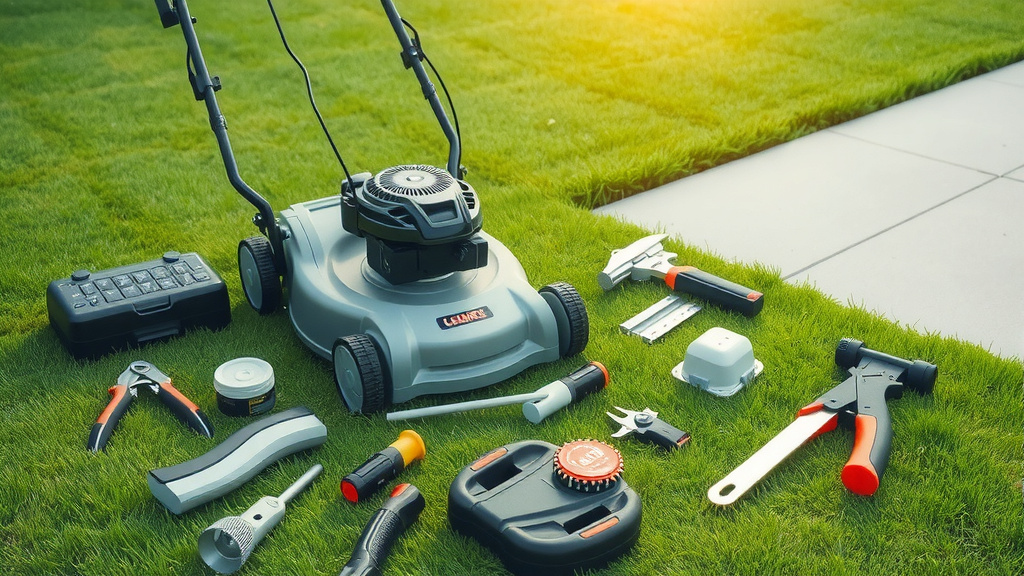
Making a homemade lawn mower involves combining a power source, a cutting deck, and blades into a safe, functional unit for basic yard work. You can make a homemade lawn mower by repurposing existing tools or crafting a custom frame with a motor and spinning blade, focusing on safety first.
Here’s a quick overview of what you will discover in this guide:
- Explore different homemade lawn mower types, from push to electric.
- Understand the essential components needed for your DIY project.
- Learn about critical safety measures before you start building.
- Get practical tips on designing and assembling your custom mower.
- Find out how to maintain your homemade creation for lasting use.
How To Make A Homemade Lawn Mower?
Creating your own lawn mower from scratch can feel like a big challenge, but it’s a rewarding project for the right person. You’re essentially building a simple machine to trim grass effectively. Think about what your yard needs and what tools you have available.
Understanding the Core Concept
At its heart, a lawn mower is simple: a rotating blade cuts grass. Your homemade version will replicate this basic action. It needs a power source, a way to spin a blade, and a frame to hold it all. We will focus on safety and practicality throughout this guide.
Safety First: Your Number One Priority
Before gathering materials, please commit to extreme caution. Blades are incredibly dangerous. Moving parts can cause injury. Always wear protective gear, like safety glasses and sturdy gloves. Many experts stress the importance of understanding the risks (Consumer Product Safety Commission).
Essential Safety Precautions
- Always disconnect power before any adjustments or maintenance.
- Keep hands and feet clear of the blades at all times.
- Wear eye protection, ear protection, and thick work boots.
- Ensure all moving parts are properly guarded and enclosed.
- Test your homemade mower slowly in a clear area first.
Choosing Your Homemade Mower Style
You have a few paths when planning a homemade mower. Do you need something small and nimble or a more robust machine? Consider your lawn size and your physical ability. The simplest option might be best for smaller areas.
Push Mower Variations
A push mower is often the easiest starting point. You supply the forward motion. The engine or electric motor handles just the blade spin. This design keeps things relatively straightforward and manageable for most DIYers.
Manual Reel Mowers: A Simple Alternative
For a truly basic approach, consider a manual reel mower. It uses no motor. The blades spin as you push it. This is great for small lawns and is completely silent. It’s also the most environmentally friendly option you can choose.
Electric or Battery-Powered Builds
Using an electric motor or a battery pack offers convenience. You avoid fuel concerns and reduce noise. However, securing a powerful enough motor and a suitable battery requires careful planning. You will need to think about wiring and charging systems too.
Key Components for Your Homemade Mower
Every successful homemade mower relies on a few core parts. Think of them as the building blocks. Getting these right is key to a functional and safe machine. We’ll break down each component.
The Power Source: Engine or Motor
Your power source drives the blade. This could be a small gasoline engine from an old weed eater. Or you might use an electric motor from a discarded appliance. Many builders choose a strong 12V DC motor for battery-powered setups (DIY Enthusiast Forums).
Understanding Blade Types
The blade is where the magic happens. A sturdy metal bar is common. It needs to be sharp and balanced to cut cleanly. An unbalanced blade causes vibrations and can be very dangerous. Research suggests proper blade balancing is vital for safety (Lawn Mower Safety Institute).
The Cutting Deck and Housing
This is the protective cover around your blade. It directs grass clippings. It also shields you from the spinning blade. Strong metal or thick plywood can work. Ensure it is robust and fully encloses the blade’s rotation path.
The Frame and Wheels
The frame holds everything together. It needs to be stable and durable. Steel tubing or angle iron is a popular choice. Wheels allow you to move the mower easily. You can repurpose wheels from old carts or bikes.
Here’s a comparison of common power sources:
| Power Source | Pros | Cons |
|---|---|---|
| Small Gasoline Engine | High power, portable | Noisy, fuel needed, maintenance |
| Electric Motor (Corded) | Quiet, reliable, no fuel | Limited by cord length, requires outlet |
| Battery-Powered Motor | Quiet, portable, no cord | Battery life limits run time, charging needed |
Assembling Your Homemade Mower
Now comes the fun part: putting it all together. Take your time with each step. Measure twice and cut once, as the saying goes. Precision here leads to a more stable and safer machine for you.
Frame Construction and Stability
Start with your frame. Weld or bolt your chosen materials to create a rigid structure. Ensure it can support the motor and deck weight. The frame should also provide handles for comfortable pushing and control.
Mounting the Motor and Blade
Securely attach your motor or engine to the frame. Then, carefully mount your blade to the motor shaft. This connection needs to be extremely tight and well-aligned. Any wobble here means trouble and potential danger. We found that a solid, direct drive is generally safer for DIY projects.
Attaching the Cutting Deck
Position the cutting deck to fully cover the spinning blade. Bolt it firmly to the frame. The deck also helps set your cutting height. You might add adjustable spacers to change this height. This provides flexibility for different grass lengths.
Testing Your Creation Safely
Once assembled, do not immediately mow your lawn. Perform several safety checks first. This is a critical step that should never be rushed. Your safety depends on it.
Initial Power-Up and Blade Test
In a clear, open space, power up the mower briefly. Stand far away. Listen for unusual noises or vibrations. If anything seems off, shut it down immediately. A balanced blade should spin smoothly and quietly.
Checklist for First Test Run
Before any actual mowing, go through this quick checklist:
- All bolts and fasteners are tight.
- Blade is securely attached and balanced.
- Cutting deck fully covers the blade.
- Power switch or engine kill switch works.
- No loose wires or parts visible.
- You are wearing full protective gear.
Maintenance for Your Homemade Mower
Just like any tool, your homemade mower will need attention. Regular maintenance keeps it running well. It also helps extend its lifespan. A little care goes a long way in keeping it safe and effective.
Blade Sharpening and Balancing
Keep your blade sharp for a clean cut. Dull blades tear grass, which isn’t healthy for your lawn. After sharpening, re-balance the blade. An unbalanced blade can stress your motor and create dangerous vibrations.
Inspecting Connections and Guards
Regularly check all bolts, welds, and connections. Vibration can loosen things over time. Ensure all safety guards remain intact and securely in place. Your machine should always feel sturdy.
Conclusion
Building a homemade lawn mower offers a unique blend of practicality and personal satisfaction. You’ve seen that with careful planning and a strong focus on safety, creating a functional machine is achievable. Remember to always prioritize your well-being. Regular checks and maintenance will ensure your DIY mower remains a helpful tool for your yard care needs. Enjoy the fruits of your labor and the satisfaction of knowing you built it yourself!
How complicated is it to build a homemade lawn mower?
Building a homemade lawn mower can range from fairly simple to quite complex. It depends on your chosen design and available tools. A simple push mower conversion might be easy, while a full electric model needs more technical skill. Most people find it a manageable project with proper research.
What is the most critical safety aspect when making a DIY lawn mower?
The most critical safety aspect is blade containment and protection. Ensuring the spinning blade is fully enclosed by a sturdy deck prevents serious injury. Always double-check all connections and wear protective gear. Never operate without proper guards in place.
Can I use a car battery to power an electric homemade lawn mower?
Yes, you can use a car battery to power an electric homemade lawn mower. However, car batteries are heavy and designed for high starting current, not deep cycling. You might consider a deep-cycle battery for better performance and lifespan. Always include proper fusing and wiring for safety.
Are homemade lawn mowers effective for large yards?
Generally, homemade lawn mowers are best suited for smaller to medium-sized yards. Their power output and cutting width might not be sufficient for very large areas. For extensive lawns, a commercial mower usually offers better efficiency and durability. Think about your lawn size before starting the project.
What tools will I need to build a homemade lawn mower?
The specific tools depend on your design, but common items include a welding machine (if using metal frames), drills, wrenches, screwdrivers, angle grinders for cutting metal, and safety equipment. You’ll also need basic measuring tools. Plan your materials first to understand the necessary tools.
