
How to Properly Mow a Lawn?
The easiest way to properly mow a lawn is to set your mower to the correct height, cut when the grass is dry, and vary your mowing pattern regularly. These simple steps ensure a healthy, vibrant lawn all season long. You will see a noticeable improvement in your yard’s appearance and resilience.
You might wonder if there’s a “right” way to cut grass, beyond just pushing a machine. We found that proper mowing techniques are essential for lawn health. They help prevent weeds, encourage stronger root growth, and even make your lawn more drought-resistant. It’s about more than just trimming; it’s about cultivating a thriving yard.
- Cut grass when dry.
- Set the mower height correctly.
- Vary your mowing pattern.
- Maintain sharp mower blades.
- Don’t cut too much at once.
Let’s walk through exactly how to achieve that perfect, healthy lawn you’ve always wanted, step by step.
Getting Your Lawn Mower Ready for Action
Before you even think about cutting grass, your mower needs a little attention. A well-prepared mower makes your job easier and safer. It also contributes to a cleaner cut for your lawn.
The Importance of a Sharp Blade
Imagine trying to cut paper with dull scissors. It tears more than it cuts, right? The same goes for your lawn mower. A dull blade rips grass, leaving ragged edges.
These ragged edges make your grass more susceptible to disease. They can also create a brownish, unhealthy look. We found that sharpening your blade at least once a season is essential. If you mow frequently or have a large yard, you might need to sharpen it more often.
When to Sharpen Your Blade
How do you know if your blade is dull? It’s simple. Look at the tips of your freshly cut grass. Are they clean and even? Or do they look frilly, white, or brown? Ragged grass tips are a clear sign of a dull blade.
- Sharpen at the start of the mowing season.
- Sharpen after hitting any hard objects like rocks.
- Check grass tips for signs of tearing.
- Consider a second sharpening mid-season for large lawns.
Setting the Right Mowing Height
This is arguably the most critical step for a healthy lawn. You might think shorter grass looks neater, but it’s actually detrimental. Cutting grass too short stresses the plant. It can weaken the root system and invite weeds.
Many experts refer to the “one-third rule.” This means you should never remove more than one-third of the grass blade’s total height in a single mowing session. For example, if your grass is 3 inches tall, don’t cut more than one inch off.
Ideal Grass Blade Lengths
What’s the best height for your particular grass type? This varies. Warm-season grasses generally prefer to be cut taller than cool-season grasses. Research suggests a taller cut promotes deeper root growth and better drought resistance (University of California Agriculture & Natural Resources).
| Grass Type | Recommended Mowing Height | Notes |
|---|---|---|
| Kentucky Bluegrass | 2.5 – 3.0 inches | One of the most common cool-season grasses. |
| Perennial Ryegrass | 2.0 – 3.0 inches | Similar to Bluegrass, likes a moderate height. |
| Tall Fescue | 3.0 – 4.0 inches | Tolerates higher cuts, good for shade. |
| Bermudagrass | 1.0 – 2.0 inches | A warm-season grass, can be cut shorter. |
| Zoysiagrass | 1.5 – 2.5 inches | Another warm-season type, relatively short. |
| St. Augustinegrass | 2.0 – 4.0 inches | Warm season, taller cut helps it thrive. |
Always aim for the higher end of the range during hot, dry periods. Taller grass shades the soil, reducing water evaporation. It also helps to suppress weed growth (Purdue Extension).
The Art of Mowing: Techniques for a Healthier Lawn
Now that your mower is ready, let’s talk about the actual mowing process. There’s more to it than just pushing the machine around. A few simple adjustments can make a big difference.
Timing is Everything: When to Mow
You might be tempted to mow whenever you have free time. But the time of day and the condition of your grass matter greatly. We found that mowing at the right time can prevent stress on your turf.
Mowing Dry Grass
This is a golden rule: always mow when your grass is dry. Mowing wet grass causes several problems. Wet grass clogs your mower, creating uneven cuts. It also spreads diseases more easily. Furthermore, clippings clump together, leaving unsightly piles on your lawn.
Wait until the morning dew has evaporated. If it rained, give your lawn plenty of time to dry out completely. A good test is to walk across the grass; if your shoes get wet, it’s too soon.
Best Time of Day
The ideal time to mow is usually in the late morning or early evening. Mowing during the hottest part of the day, midday, can stress both you and your lawn. The grass is under more heat stress already, and cutting it then adds to that burden.
- Late morning: After dew has dried, before the sun is strongest.
- Early evening: After the peak heat of the day has passed.
- Avoid midday: Too hot for you and your grass.
- Avoid early morning: Grass is likely still wet with dew.
Varying Your Mowing Pattern
Do you always mow your lawn in the same direction? Most people do, often creating those neat stripes. While stripes look nice, repeatedly mowing in the exact same pattern can compact the soil. It also pushes grass blades in one direction, which can weaken them over time.
We found that varying your mowing pattern is a simple but effective strategy. Try mowing north to south one week, then east to west the next. You can also try diagonal patterns. This helps the grass stand upright and encourages more even growth.
Bagging vs. Mulching: What to Do with Clippings
Once you’ve mowed, what do you do with the clippings? You have two main options: bag them or mulch them. Each has its advantages.
The Benefits of Mulching
Many lawn care experts strongly recommend mulching your grass clippings. When you mulch, the mower cuts the clippings into tiny pieces. These small pieces then fall back onto the lawn.
These tiny clippings are packed with nutrients, especially nitrogen. They act as a natural fertilizer, returning valuable organic matter to your soil. This can help reduce your need for synthetic fertilizers. It also lessens the amount of yard waste you produce.
However, only mulch if your clippings are short and dry. If the grass is tall or wet, mulching can result in thick clumps. These clumps can smother the grass beneath, causing yellow patches.
When to Bag Clippings
Bagging clippings is appropriate in certain situations. If your grass is very tall, wet, or if you’re dealing with a disease outbreak, bagging is a good idea. Removing diseased clippings can help prevent the spread of the illness to other parts of your lawn. Also, if you have an excessive amount of leaves mixed in, bagging can be useful.
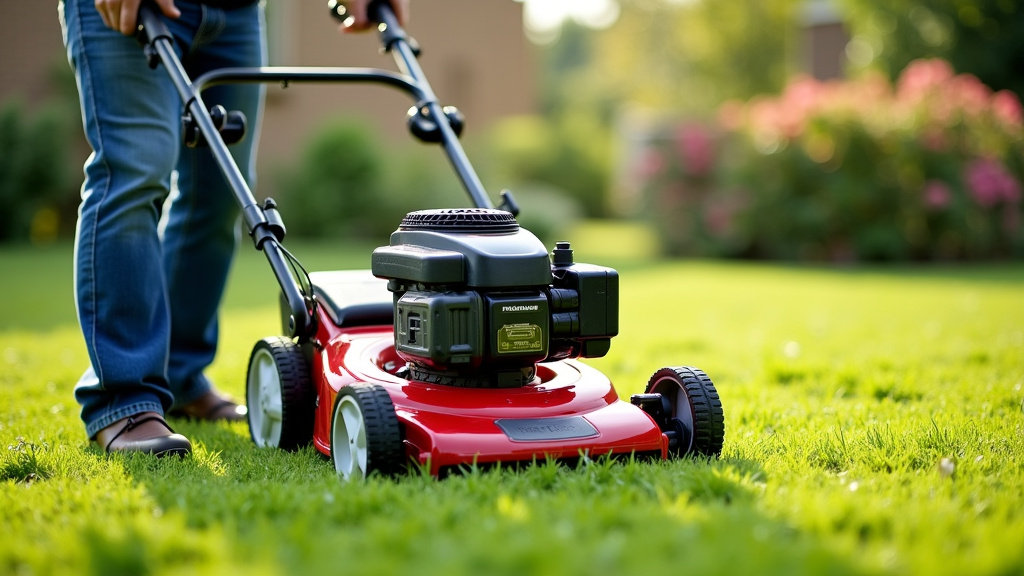
Post-Mowing Care and Beyond
You’ve finished mowing, but your work isn’t quite done. A few simple steps after mowing can make a big difference in maintaining a resilient lawn.
Cleaning Up Your Mower
A quick clean after each mow can extend the life of your equipment. Remove any grass clippings stuck to the underside of the deck. These can harbor moisture and promote rust. They can also affect the airflow and cutting performance of your mower.
Use a stiff brush or a putty knife to scrape off buildup. Always make sure the mower is turned off and the spark plug wire is disconnected before cleaning the underside. Safety first!
Staying Hydrated and Protecting Yourself
Mowing can be hard work, especially on a warm day. Remember to stay hydrated by drinking plenty of water before, during, and after you mow. Protect your skin from the sun with sunscreen and appropriate clothing. Eye protection and hearing protection are also wise investments, especially for loud mowers.
Mowing Checklist
Here’s a quick checklist to help you remember the key steps for proper lawn mowing:
- Sharpen your mower blade regularly.
- Set the mower height according to grass type (the 1/3 rule).
- Mow only when the grass is completely dry.
- Vary your mowing pattern each time.
- Consider mulching clippings for natural fertilization.
- Clean your mower after each use for longevity.
By following these guidelines, you’re not just cutting grass; you’re actively promoting a stronger, healthier ecosystem right in your backyard. Your lawn will thank you with lush, green growth and a better ability to withstand everyday stresses.
Conclusion
You now have the knowledge to transform your lawn. By consistently applying these simple yet powerful techniques—like maintaining a sharp blade, setting the right height, and varying your mowing pattern—you’re not just trimming grass. You’re building a stronger, healthier ecosystem in your own yard. We found that these small efforts lead to truly impressive results over time.
Start today by checking your mower blade and planning your next “right way” mow. Your greener, more resilient lawn is waiting!
Frequently Asked Questions
How often should I mow my lawn?
The frequency depends on your grass type and how fast it grows. Generally, aim to mow often enough so that you never remove more than one-third of the grass blade’s height at one time. This might mean once a week during peak growing seasons and less often during slower growth periods or droughts.
Can I mow my lawn with a riding mower on a slope?
Yes, but always mow up and down slopes, not across them, when using a riding mower. This significantly reduces the risk of tipping. For push mowers, it’s generally safer to mow across the slope.
What if I miss a week of mowing and my grass is too long?
If your grass gets too long, don’t try to cut it all at once. Instead, raise your mower deck to its highest setting and mow. Then, wait a day or two and lower the deck slightly to cut it again. This prevents stressing the grass and avoids leaving large clumps of clippings.
Is it better to use a gas or electric mower?
Both gas and electric mowers have benefits. Gas mowers typically offer more power and longer run times for larger yards. Electric mowers (corded or battery) are quieter, produce zero emissions, and require less maintenance, making them great for smaller or medium-sized lawns.
How do I get those classic lawn stripes?
To achieve stripes, you need a mower with a roller or attachable striping kit. The roller bends the grass blades in different directions, reflecting light differently and creating the striped effect. Mow in straight, overlapping lines, alternating directions with each pass.
