What Is the Best Height to Cut Grass?
On this page (6 sections)
The best height to cut grass depends on your specific grass type and local climate. However, a general rule of thumb is to maintain a cutting height between 2.5 and 3 inches for most cool-season grasses, and slightly higher for some warm-season varieties. This simple adjustment can make a huge difference in your lawn’s health.
Keeping your grass a bit taller helps it develop stronger root systems and shades out pesky weeds. We found that maintaining this height allows your lawn to better withstand drought and disease, making it more resilient. It’s a small change with big rewards for your yard. If your lawn turns brown after mowing, see our guide to grass turning brown after mowing.
- Cut most grasses to 2.5-3 inches for optimal health.
- Taller grass promotes deeper, stronger roots.
- It helps shade out unwanted weeds.
- Proper height improves drought and disease resistance.
- Adjust based on your specific grass type and climate.
You want a lush, healthy lawn, right? Below, we break down everything you need to know about setting the perfect cutting height for your grass, helping you achieve that beautiful yard you’ve always wanted.
Optimizing Your Mowing Height for a Healthier Lawn
The ideal mowing height isn’t just about making your lawn look neat; it’s about promoting deep root growth, natural weed suppression, and increased resilience for your grass. We found that adjusting your blade height is one of the most impactful things you can do for your yard.
Understanding the “One-Third Rule”
You’ve probably heard of the “one-third rule” in mowing. What exactly does it mean? Simply put, you should never remove more than one-third of the grass blade’s total height in a single mowing session. If your grass is 4 inches tall, you shouldn’t cut off more than 1.3 inches, leaving it at least 2.7 inches high. If the lawn has grown much taller, see how to cut high grass with a mower.
Why is this so important? When you cut too much off at once, you shock the grass plant. It puts all its energy into growing new blades instead of developing strong roots. This weakens your lawn, making it more susceptible to problems.
Following this rule helps your grass stay denser and healthier. It’s a simple practice that offers big benefits for turf health (University of Florida IFAS Extension).
How Mowing Too Low Harms Your Lawn
Cutting your grass too short might seem like a time-saver, but it actually creates more work. Short grass has shallow roots. This makes it less able to reach water deep in the soil, so it dries out faster.
It also makes your lawn more vulnerable. We found that short grass provides less shade to the soil surface, allowing weed seeds to germinate easily. It’s like leaving an open invitation for dandelions and crabgrass.
Scalping, or cutting too low, can also lead to bare spots and increased disease pressure. Your lawn tries to recover, but it’s a constant uphill battle if you keep it too short.
Tailoring Height to Your Grass Type and Climate
Not all grass is created equal. What works for a Kentucky bluegrass lawn in the North won’t be ideal for St. Augustine grass in the South. Your grass type is the primary factor in determining your optimal cutting height.
Cool-Season Grasses: Thrive with a Little Height
If you live in a region with cold winters and warm summers – basically, the northern half of the U.S. – you likely have cool-season grasses. These include varieties like Kentucky Bluegrass, Perennial Ryegrass, and Fescue.
For these grasses, we often recommend a mowing height of 2.5 to 3 inches. Some fescue varieties can even handle 3.5 inches during peak summer heat. This slightly taller height helps them cope with warmer temperatures and dry spells.
We found that allowing cool-season grasses to grow a bit longer helps them develop robust root systems. This makes them more resilient against environmental stresses, like summer heat and drought (Purdue Extension).
Warm-Season Grasses: Adaptable, But Also Prefer Height
For those in the southern U.S., you’re probably growing warm-season grasses. Think of varieties like Bermudagrass, St. Augustine, Zoysia, and Centipedegrass. These grasses love the heat and typically go dormant in cooler months.
The ideal cutting height for warm-season grasses varies more than cool-season types. Bermudagrass can be cut lower, often between 1 and 2 inches, especially if you’re aiming for a golf-course look. However, for a home lawn, 2 inches maintains better health.
Other warm-season grasses, such as St. Augustine, Zoysia, and Centipedegrass, generally prefer to be a bit taller. We often suggest a range of 2 to 3 inches for these varieties to maintain vigor and prevent scalping.
Regional and Seasonal Adjustments
Even within your grass type, you might need to adjust based on the season or local conditions. During periods of drought or extreme heat, letting grass grow taller can provide critical protection.
Taller grass shades the soil, reducing water evaporation and keeping the root zone cooler. It’s like giving your lawn a natural sun umbrella. We found that this small change can significantly reduce your watering needs.
Conversely, in spring when growth is rapid, you might consider slightly lowering your height for a couple of mowings to manage the growth. Just remember the one-third rule. You also might want to cut grass a little shorter for the last mow of the season before winter dormancy (University of Illinois Extension).
| Grass Type | Preferred Mowing Height Range | Notes for Home Lawns |
|---|---|---|
| Kentucky Bluegrass | 2.5 – 3.0 inches | Excellent cold tolerance, dense turf. |
| Perennial Ryegrass | 2.0 – 3.0 inches | Fast germinating, often mixed with other cool-season types. |
| Tall Fescue | 2.5 – 3.5 inches | Good drought tolerance, coarser blade. |
| Fine Fescue | 2.0 – 3.0 inches | Shade tolerant, fine texture. |
| Bermudagrass | 1.0 – 2.5 inches | Very heat tolerant, can tolerate lower cuts. |
| St. Augustinegrass | 2.0 – 3.0 inches | Broad-bladed, good for coastal areas. |
| Zoysiagrass | 1.5 – 2.5 inches | Dense, durable turf; slower growing. |
| Centipedegrass | 1.5 – 2.0 inches | Low maintenance, light green color. |
Benefits of Taller Grass: Your Lawn’s Secret Superpower
You might think short grass looks tidier, but giving your lawn a little height is like giving it a superpower. It helps it fight off problems and stay vibrant and green with less effort from you.
Deeper Roots, Stronger Plants
The length of your grass blades is directly related to the depth of its roots. We often say, “what you see above, you’ll see below.” Taller grass develops deeper roots to support the longer blades. This is a huge advantage.
Deep roots make your lawn much more resilient to drought. They can reach water reserves further down in the soil profile. This means you won’t have to water as frequently, saving you time and money.
Stronger roots also mean healthier grass plants overall. They are better able to absorb nutrients and fight off disease, leading to a much more robust turf.
Natural Weed Control: Shade ‘Em Out
Weeds are always looking for an opportunity to sprout. Most weed seeds need sunlight to germinate. Taller grass creates a natural canopy that shades the soil surface.
This shade effectively blocks sunlight from reaching those pesky weed seeds. It significantly reduces weed germination, meaning fewer weeds will pop up in your lawn. It’s a natural and organic way to keep your lawn looking pristine without harsh chemicals (Michigan State University Extension).
Think of it as your lawn’s built-in defense system. You get a greener, healthier lawn with less competition from unwanted plants.
Improved Drought and Heat Tolerance
When the summer sun beats down and rain is scarce, taller grass really shines. The longer blades help insulate the soil, keeping it cooler and moist. This slows down the rate of evaporation.
Your lawn will stay greener for longer during dry spells. You’ll notice it resists browning and stress much better than a lawn that’s cut short. We found this makes a significant difference in maintaining lawn aesthetics during peak summer.
It’s not just about water retention; the larger leaf surface allows for more photosynthesis, keeping the grass plants productive even under stress. This leads to a healthier, more resilient lawn that can bounce back quicker.
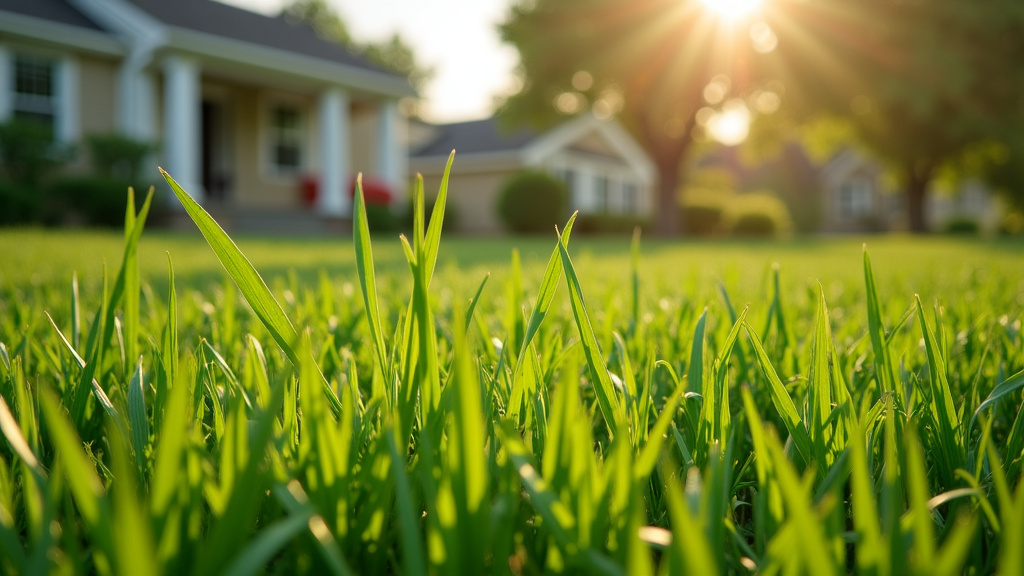
Your Mowing Height Checklist
Ready to put this knowledge into practice? Here’s a quick checklist to help you dial in the perfect mowing height for your lawn:
- Know your grass type (cool-season or warm-season).
- Set your mower to the recommended height for your variety.
- Always follow the “one-third rule.”
- Adjust height slightly higher during hot, dry periods.
- Keep your mower blades sharp for a clean cut.
- Inspect your lawn; if it looks stressed, raise the height.
Conclusion
As you can see, determining the best height to cut grass isn’t a one-size-fits-all answer. It’s about understanding your specific grass type and adapting to seasonal changes. By consistently following the “one-third rule” and giving your lawn a little extra height, especially during stress, you’re not just mowing; you’re actively building a healthier, stronger turf.
We found that this simple adjustment can dramatically improve your lawn’s resilience against weeds, drought, and disease. So, take control of your mower’s deck height. Your lawn will thank you with vibrant color and less need for intervention. Go ahead and adjust your blades today to start seeing the difference.
Frequently Asked Questions
Should I bag my grass clippings or leave them?
For a healthier lawn, we recommend leaving your grass clippings on the lawn. They act as a natural fertilizer, returning valuable nutrients and organic matter to the soil. We found this significantly improves soil health over time.
How often should I sharpen my mower blades?
You should sharpen your mower blades at least once per season, and more frequently if you have a larger lawn or mow often. Sharp blades create a clean cut, which helps the grass heal faster and prevents disease.
Does cutting height affect how often I need to water?
Yes, significantly. Taller grass shades the soil, reducing water evaporation and keeping the root zone cooler. Our research shows that lawns mowed at a proper, slightly taller height require less frequent watering to stay green.
Can I cut my grass shorter for the last mow of the season?
Yes, it’s generally a good practice to cut your grass a little shorter (but still maintaining the one-third rule) for the final mow before winter. This helps prevent matting and reduces the chance of snow mold and other winter diseases.
What if my lawn is already stressed or has bare spots?
If your lawn is stressed or has bare spots, raising your mowing height is one of the best things you can do. Taller grass promotes deeper root growth and provides more shade, which encourages recovery. We found this creates a better environment for new growth.