Why Is My Push Mower Smoking?
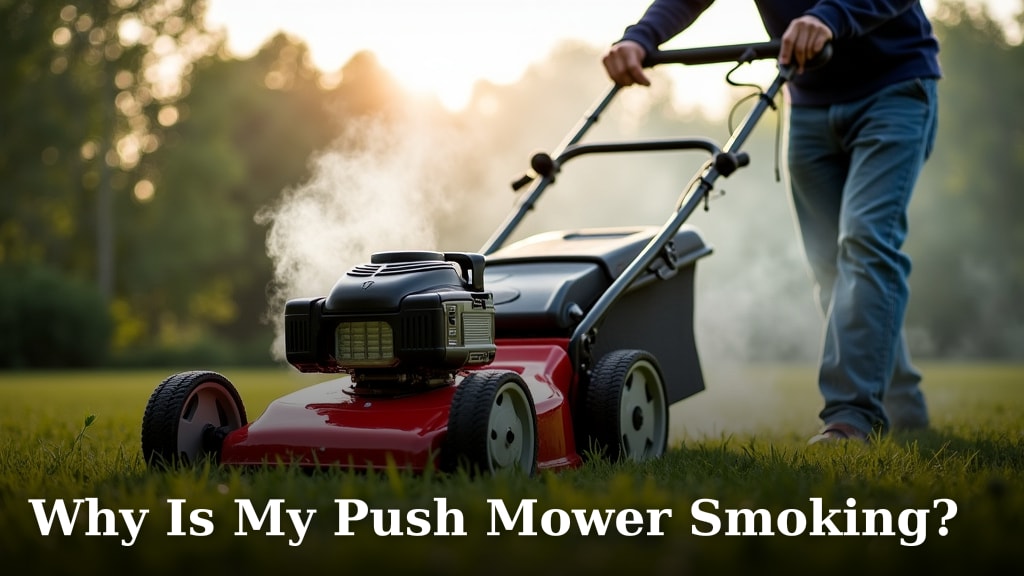
If your push mower is smoking, it often points to a few common issues. Most frequently, you’ll see smoke because of Our guide on Why Is My Lawn Mower Smoking provides a comprehensive overview of common causes and solutions.overfilled oil, a tipped mower, or a dirty air filter. Sometimes, it’s just normal condensation burning off, which is harmless.
You might be wondering if this is a big deal. Usually, a smoking lawn mower means something needs your attention. Ignoring it can lead to bigger problems. We found that oil burning off is the most common cause, but other things can create that smoky look too. Don’t worry, we’re here to help you figure it out.
- Overfilled oil or tipping your mower.
- Clogged air filter causing engine strain.
- Water or condensation burning off.
- Burning debris under the deck.
- Engine issues like worn rings or seals.
Let’s walk through the exact reasons why your push mower might be smoking and what you can do about it. You’ll soon have your mower running cleanly again! You can learn how to fix a lawn mower that smokes with our detailed troubleshooting guide.
Unraveling the Mystery of Your Smoking Push Mower
When your push mower starts puffing smoke, it’s a clear signal something isn’t quite right. Understanding the color of the smoke is your first clue. Each color tells a different story about what’s happening inside your engine.
Don’t panic! Most causes are easily fixed at home. Let’s break down what each smoke color means and how you can resolve it.
What Does the Smoke Color Tell You?
The color of the smoke coming from your mower is like a diagnostic code. Different colors point to different problems. Learning to identify them will help you pinpoint the issue faster.
White or Blue Smoke: The Oil Burner
If you see white or blue smoke, it almost always means you’re burning oil. This is the most common type of smoke gardeners see. It often has a distinct, acrid smell.
- Overfilling the oil reservoir is a frequent culprit. Too much oil creates excess pressure and can seep into the combustion chamber.
- Tipping your mower on its side incorrectly can also cause oil to spill into areas it shouldn’t be. Always tip it with the spark plug facing up.
- Worn engine components, like piston rings or valve seals, allow oil to escape into the combustion chamber. This is a more serious issue.
We found that checking your oil level is the easiest first step when seeing this smoke. Many push mower owners experience this after a recent oil change (Consumer Reports).
Black Smoke: Too Rich a Mixture
Black smoke indicates that your engine is burning too much fuel or not enough air. It’s often accompanied by a sputtering engine or reduced power. You might also notice a strong smell of gasoline.
- A clogged air filter is a common cause. If air can’t get in, the fuel-to-air ratio becomes unbalanced.
- A dirty carburetor can also lead to an overly rich fuel mixture. Tiny jets inside can become blocked, affecting fuel delivery.
- Sometimes, the choke might be stuck on. This restricts airflow and causes too much fuel to enter the engine.
This type of smoke means your engine isn’t breathing correctly. It’s usually a sign that routine maintenance has been missed.
White (Puffy) Smoke: Just Condensation
Sometimes you’ll see puffy white smoke, especially when you first start your mower. This can be normal. It usually disappears after a few minutes.
- This is often just water vapor or condensation burning off. It’s like steam from a kettle.
- It’s more common in damp or humid conditions, or if your mower has been sitting for a while.
- If it stops within 5-10 minutes, there’s typically nothing to worry about.
We’ve seen many people worry about this, only to find it’s a completely harmless occurrence. Observe it for a bit before taking action.
Common Causes of Mower Smoke and How to Fix Them
Now that you know what the smoke colors mean, let’s dive into the most frequent reasons your mower might be smoking and, more importantly, how to fix them yourself.
Oil Overfill or Improper Tipping
This is probably the number one reason for blue or white smoke. It’s easy to do and just as easy to fix.
- Check your oil level. Use the dipstick to ensure the oil is between the “add” and “full” marks. If it’s too high, you’ve overfilled it.
- Drain excess oil. You can do this through the drain plug or by carefully siphoning some out. Be sure to collect it in an appropriate container for disposal.
- Always tip your mower correctly. If you need to access the underside, make sure the spark plug is facing upwards. This prevents oil from flowing into the muffler or air filter.
Think of it like pouring too much coffee into a mug; it’s bound to spill. Your engine is no different. We found this simple correction solves the issue for most homeowners.
Clogged Air Filter
A dirty air filter chokes your engine. It leads to that characteristic black smoke because there isn’t enough air for proper combustion.
- Inspect your air filter. It’s usually located in a plastic housing on the side or top of the engine.
- If it’s full of grass clippings, dirt, or oil, it needs attention.
- Clean or replace it. Foam filters can often be washed with soap and water, then oiled. Paper filters generally need to be replaced.
A clean air filter allows your engine to breathe freely, improving performance and stopping black smoke. Many experts say this is a crucial part of routine mower maintenance (Briggs & Stratton).
Burning Debris Under the Deck
Sometimes, what looks like smoke from the engine is actually just burning debris under the deck. This can produce smoke that might appear white or gray.
- Turn off and cool down your mower. Always disconnect the spark plug wire first for safety.
- Inspect the underside of the deck. Look for dried grass, leaves, or even plastic bags that might be stuck.
- Clean off any debris. Use a scraper or stiff brush. Built-up grass can rub against the blade or hot engine parts.
It’s like a tiny campfire under your mower. Keeping the deck clean also improves cutting performance. This is a good habit to get into after every few uses.
Worn Engine Components
If you’ve checked all the easier fixes and you’re still seeing persistent blue or white smoke, it could be a more serious internal engine problem. This means oil is getting into the combustion chamber through worn parts.
- Piston rings: These rings seal the combustion chamber. If they’re worn, oil can seep past them.
- Valve seals: These prevent oil from leaking down the valve stems into the combustion chamber.
- Head gasket: A compromised head gasket can allow oil or coolant to enter the combustion area.
These issues typically require professional repair. While you can attempt them yourself, they involve disassembling parts of the engine. We found that most homeowners opt for a mechanic at this stage.
When to Seek Professional Help
While many smoking mower issues are DIY-friendly, some require a professional touch. How do you know when it’s time to call in the experts?
Consider bringing your mower to a service center if:
- You’ve tried all the common fixes, and the smoke persists.
- The smoke is accompanied by a significant loss of power or strange engine noises.
- You suspect worn internal engine parts like piston rings or valve seals.
- You’re uncomfortable performing more complex engine repairs yourself.
- The mower is still under warranty, as DIY repairs might void it.
Sometimes, peace of mind is worth the cost of a professional diagnosis. They have specialized tools and expertise to quickly identify and fix internal engine problems that you might miss.
Quick Checklist for a Smoking Mower
Here’s a simple checklist to guide you through troubleshooting your smoking push mower:
- Check Oil Level: Is it overfilled? Drain excess if needed.
- Inspect Air Filter: Is it dirty or clogged? Clean or replace it.
- Review Tipping Method: Did you tip the mower correctly (spark plug up)?
- Clear Under-Deck Debris: Is there grass or gunk burning underneath?
- Observe Smoke Color: Is it blue/white (oil), black (fuel), or harmless puffy white (condensation)?
- Consider Professional Help: If basic fixes fail, or if you suspect internal damage.
By following these steps, you’ll likely resolve your mower’s smoking issue quickly. Happy mowing!
Conclusion
Seeing smoke from your push mower can be concerning, but as you’ve learned, many causes are simple fixes you can tackle yourself. By paying attention to the smoke’s color and checking common culprits like oil levels and air filters, you can often diagnose and resolve the issue quickly.
Don’t let a little smoke ruin your mowing day. Take these steps, and you’ll likely have your mower running cleanly and efficiently again. If the problem persists, or you suspect internal damage, know when it’s time to call in a professional to get you back on track.
Frequently Asked Questions
Is it safe to keep using my mower if it’s smoking a little?
It’s generally not recommended to keep using a smoking mower without addressing the issue. While some white puffy smoke from condensation is harmless, other smoke colors indicate problems that could worsen over time. It’s best to stop and investigate to prevent further damage.
How often should I check my mower’s oil to prevent overfilling?
You should check your mower’s oil level before each use, or at least every time you fill it with gas. This habit ensures the oil is at the correct level and helps you avoid accidental overfilling, which is a common cause of blue or white smoke.
Can old gas cause my mower to smoke?
Yes, old or stale gasoline can sometimes contribute to black smoke or poor engine performance. Over time, gasoline can break down and leave deposits, affecting the fuel-to-air mixture. Always use fresh fuel for optimal mower operation.
My mower only smokes when I start it. What does that mean?
If your mower only smokes briefly upon startup, especially white puffy smoke, it’s often just condensation burning off from the exhaust system. This is very common in cooler or humid weather and usually disappears within a few minutes. If it persists, then investigate further.
What’s the best way to dispose of old engine oil from my mower?
You should never pour old engine oil down the drain or into the ground. Most auto parts stores, service stations, or local recycling centers accept used motor oil for proper disposal. Collect it in a sealed container and take it to a designated drop-off point.