
How To Mow Lawn Without Bag?
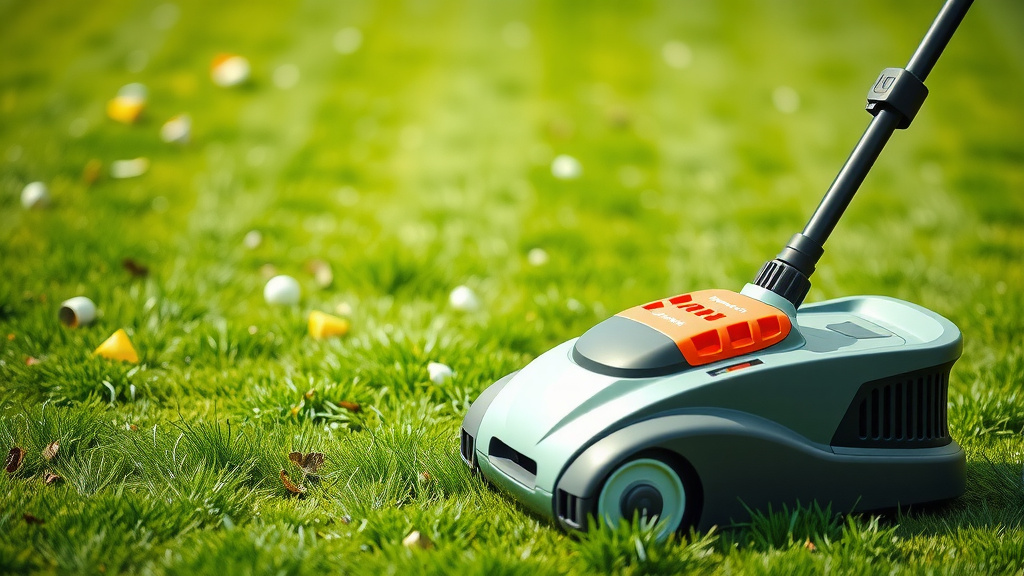
Mowing your lawn without a bag often involves mulching the grass clippings, which returns nutrients to your soil and helps your lawn thrive. Another common method is using the side discharge function on your mower to spread clippings evenly.
These bag-free approaches can save you time and effort while contributing to a healthier, greener lawn by naturally recycling organic matter.
- You can mow your lawn without a bag by mulching the clippings or using a side discharge.
- Mulching finely chops grass, returning vital nutrients to the soil.
- Side discharging spreads clippings away from the mower, suitable for slightly longer grass.
- Skipping the bag saves time by eliminating the need to empty clippings.
- It also promotes a healthier lawn by feeding it naturally.
How To Mow Lawn Without Bag?
You can effectively mow your lawn without a bag by either choosing to mulch your grass clippings or by utilizing your mower’s side discharge feature. Both methods offer great benefits for your lawn and save you time.
Why Would You Skip the Bag?
Have you ever wondered if there’s an easier way to mow without constantly stopping to empty the bag? Many homeowners feel the same way! Not bagging your clippings offers some real advantages for both you and your lawn.
The Nutrient Cycle Magic
Leaving clippings on your lawn isn’t lazy; it’s smart gardening. These small pieces of grass break down quickly, returning essential nutrients like nitrogen to your soil (research shows this can reduce fertilizer needs). It’s like giving your lawn a tiny, natural snack every time you mow.
Saving Time and Effort
Think about the time you spend bagging, hauling, and disposing of grass clippings. Eliminating this step significantly cuts down your mowing time. You can get back to enjoying your weekend faster, right?
Method 1: Embrace Mulching
Mulching is probably the most popular and beneficial way to mow without a bag. It’s truly a win-win for your lawn’s health and your schedule.
What is Mulching?
Mulching means your mower cuts the grass multiple times into very small pieces. These tiny clippings then fall back into the lawn, disappearing from view and enriching the soil beneath. It’s like nature’s own recycling program.
The Right Mower for Mulching
Many modern mowers come with a mulching capability, sometimes called a “3-in-1” system. If yours doesn’t, you might be able to add a mulching kit, which usually includes a special blade and a plug for the discharge chute. We found that a good mulching blade makes all the difference (lawn care experts agree).
Mulching Best Practices
To get the best results from mulching, you need to follow a few simple rules. These tips ensure your lawn stays healthy and beautiful.
- Mow more frequently: Keep the grass short, removing only about one-third of the blade’s height. This creates smaller clippings that decompose faster.
- Ensure grass is dry: Wet grass clumps together, which can clog your mower and create unsightly piles.
- Keep blades sharp: Sharp blades cut cleanly, producing finer clippings that are perfect for mulching.
- Don’t cut too low: Scalping your lawn stresses it out and can leave large, noticeable clippings.
- Vary your mowing pattern: Changing direction helps distribute clippings more evenly across the lawn.
Method 2: Side Discharge Strategy
If mulching isn’t ideal for your situation, side discharge is another effective way to mow without bagging. This method simply expels the clippings from the side of your mower.
When to Use Side Discharge
Side discharging is particularly useful when your grass has grown a bit too long for effective mulching. If the clippings are too thick, mulching can smother the lawn. Side discharge helps avoid this problem.
Techniques for Even Distribution
To prevent clumps, try to overlap your mowing rows slightly. This helps spread the clippings more evenly. Also, try to discharge away from flower beds or paths, unless you enjoy cleaning up later!
When Not to Mow Without a Bag
While bag-free mowing is often great, there are times when bagging your clippings is the better choice. Knowing when to switch can protect your lawn’s health.
Dealing with Overgrown Grass
If your lawn has gotten really tall, like after a long vacation, mulching or side discharging can leave large, heavy clumps. These clumps can smother the grass underneath, leading to yellow patches. In these cases, bagging is usually best, even if it’s extra work.
Weeds and Disease Spread
If your lawn is plagued by weeds or a fungal disease, mulching or side discharging can actually spread the problem. Bagging helps remove weed seeds and diseased leaves, preventing them from contaminating healthy areas (many experts recommend this for disease control).
Choosing Your Bag-Free Method
Deciding between mulching and side discharge depends on your lawn’s condition and your preferences. Here’s a quick comparison to help you choose.
| Feature | Mulching | Side Discharge |
|---|---|---|
| Nutrient Return | Excellent – finely chopped clippings break down fast. | Good – larger clippings take longer to decompose. |
| Best for Grass Height | Shorter grass, removed often (1/3 rule). | Slightly longer grass, but not overgrown. |
| Appearance | Clippings mostly disappear, very neat look. | Clippings are visible, but can be spread. |
| Mower Setup | Requires mulching blade/kit and closed discharge chute. | Open side discharge chute. |
Pro Tips for a Bag-Free Lawn
To truly master bag-free mowing and keep your lawn looking fantastic, keep these professional tips in mind. They make a big difference.
Here’s a quick checklist for successful bag-free mowing:
- Regularly check and sharpen your mower blades.
- Always mow when your grass is completely dry.
- Adjust your mowing height to remove only 1/3 of the blade.
- Vary your mowing pattern each time to prevent ruts.
- Consider a mulching specific mower or kit for best results.
Sharpen Your Blades Regularly
A dull blade tears at grass rather than cutting it cleanly. This leaves ragged edges that can turn brown, making your lawn look unhealthy. Sharp blades create finer clippings, which are perfect for mulching (University Extension services often emphasize this point).
Mow When Grass is Dry
This is a golden rule for all mowing, but especially for bag-free methods. Wet clippings stick together, forming clumps that are hard to disperse and can smother your lawn. Wait for a dry day!
Vary Your Mowing Pattern
Mowing in the same direction every time can compact the soil and lead to ruts. Varying your pattern, like mowing north-south one week and east-west the next, promotes healthier, more even grass growth and better clipping distribution.
Conclusion
Mowing your lawn without a bag is a fantastic way to save time, reduce waste, and naturally nourish your turf. By embracing mulching or strategically using side discharge, you can easily maintain a beautiful, healthy lawn. Remember to keep your blades sharp, mow dry, and adjust your method based on your lawn’s condition. Your lawn, and your back, will thank you for it!
How often should I mow my lawn if I’m mulching?
You should aim to mow your lawn more frequently, typically every 4-7 days, when mulching. This ensures you’re only removing about one-third of the grass blade’s height, creating small, easily decomposable clippings.
Will mulching cause thatch buildup in my lawn?
No, finely mulched grass clippings do not contribute to thatch buildup. Thatch is primarily made of stems and roots that haven’t broken down, and small clippings decompose rapidly, actually helping to break down existing thatch.
What kind of mower is best for bag-free mowing?
A mower specifically designed for mulching, or one with a good mulching kit (including a specialized blade and discharge plug), is ideal. Even a standard mower can side discharge, but mulching mowers offer superior performance for nutrient return.
Can I still fertilize my lawn if I’m mulching?
Yes, you can still fertilize, but you might find you need less fertilizer. Mulching returns a significant amount of nitrogen and other nutrients to your soil. Many lawn care resources suggest monitoring your lawn’s health and adjusting your fertilization schedule accordingly.
What should I do if my mower clumps grass when I’m trying to mulch?
If your mower is clumping, first ensure the grass is dry and your blades are sharp. If the problem persists, the grass might be too long for effective mulching; try raising your cutting height or switching to side discharge for that mow.
