
How To Release Parking Brake On John Deere Lawn Mower?
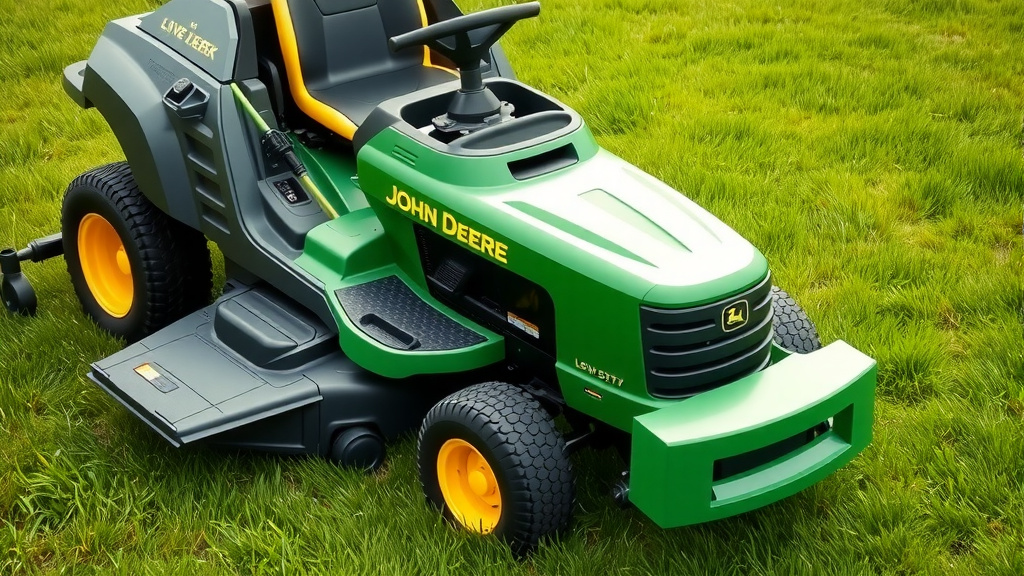
To release the parking brake on most John Deere lawn mowers, locate the parking brake lever, often found on the left side of the machine near the fender or control panel, and push or pull it until it clicks into the disengaged position. You might need to press the main foot brake pedal first.
If your John Deere lawn mower parking brake is stuck, first apply firm pressure to the foot brake pedal, then try to jiggle the parking brake lever or pedal to free any binding components. Sometimes, a quick on-and-off action can release it.
- Quickly release your John Deere parking brake by pressing the foot pedal and moving the lever.
- Troubleshoot a stuck brake by checking for obstructions or cable issues under the mower.
- Always prioritize safety: turn off the engine and remove the key before inspection.
- Lubricating moving parts can often prevent your parking brake from sticking in the future.
- Consult your owner’s manual for model-specific instructions if standard methods don’t work.
How To Release Parking Brake On John Deere Lawn Mower?
Releasing the parking brake on your John Deere lawn mower typically involves a simple two-step process. You’ll usually press the main brake pedal, then engage or disengage a smaller lever to free the brake.
It’s like unlatching a gate; one action prepares it, the other opens it. Let’s walk through it together.
Why Your John Deere’s Parking Brake Might Be Engaged
Ever wonder why your mower won’t budge? The parking brake is a safety feature, designed to keep your machine still when parked. It prevents unintended movement, especially on slopes.
You might have engaged it intentionally, or perhaps it’s a habit. Sometimes, it automatically engages when you turn off the engine or leave the seat (a common safety interlock).
The Basic Steps: A Quick Overview
Before diving into details, here’s a quick mental checklist:
- Turn off the engine.
- Sit in the operator’s seat.
- Locate your parking brake control.
- Apply the main brake pedal.
- Release the parking brake lever.
Step-by-Step Guide for Most Models
John Deere makes many great mowers, from residential riding mowers to zero-turns. While models vary, the parking brake release mechanism often follows a similar pattern.
We found that most John Deere lawn mowers use a combination of a foot pedal and a hand-operated lever.
Method 1: The Foot Pedal Release
This is the most common method for John Deere riding mowers. Picture yourself getting ready to mow.
First, sit in the operator’s seat. Next, firmly press down on the main brake pedal with your foot. You’ll feel resistance, then it will go down.
While holding the foot pedal down, locate the parking brake lever. It’s usually a smaller lever on the left side of the fender, often colored yellow or red.
Push this lever forward or pull it upward, depending on your model, until it clicks into the “off” or disengaged position. You should hear a satisfying click.
Now, gently release the foot brake pedal. The parking brake should now be fully released. If it doesn’t move, repeat the steps.
Method 2: The Hand Lever Approach
Some John Deere models, particularly certain zero-turn mowers or older units, might primarily use a hand lever without a combined foot pedal requirement. These are often integrated into the control levers themselves.
For these, simply grasp the parking brake lever, which often looks like a small handle or toggle. Move it into the “off” position.
It might be as simple as pushing it forward or pulling it back. Always check your specific owner’s manual for the exact location and action.
What If It’s Stuck? Troubleshooting Common Problems
Sometimes, the brake just doesn’t want to let go. Don’t worry, this happens. A stuck parking brake can be frustrating, but often it’s a minor issue.
We found that debris or minor corrosion can cause the mechanism to bind. It’s like a sticky door latch; it just needs a little nudge or clean-up.
Checking the Brake Cable
Underneath your mower, the parking brake is operated by a cable, much like a bicycle brake. If this cable is frayed, rusty, or pinched, it won’t release properly.
Carefully inspect the cable’s path from the lever to the brake mechanism. Look for any visible damage or tight bends. A little lubrication with a silicone-based spray might help it slide smoothly again.
Dealing with Rust and Debris
Over time, dirt, grass clippings, and moisture can build up, causing parts to rust or stick. This is common, especially if your mower sits outside.
Use a stiff brush to clean around the brake pedal and lever pivot points. If you see rust, a penetrating oil (like WD-40, though others work too) can help loosen things up. Apply it, let it sit for a few minutes, then try the release steps again. Many experts say patience here is key.
Safety First: Before You Start Troubleshooting
Before you even think about looking under your mower, safety is paramount. We can’t stress this enough. Think of it like cooking: always turn off the stove before cleaning it.
Always turn off the engine. Remove the key from the ignition. This prevents the mower from accidentally starting. Ensure the mower is on a flat, level surface.
A Quick Safety Checklist
- Engine is off and cool.
- Key is removed from the ignition.
- Mower is on stable, level ground.
- No one else is near the mower.
- Wear gloves if handling dirty parts.
When to Call a Professional
If you’ve tried all the basic steps and troubleshooting, and your John Deere’s parking brake still won’t release, it might be time for expert help. There’s no shame in seeking a professional.
Sometimes, the issue could be a broken cable, a seized brake assembly, or a deeper mechanical problem that requires specialized tools or knowledge. Many guidelines point to qualified technicians as the best next step (John Deere Owner’s Manuals often suggest this).
Understanding Your John Deere’s Manual
Your owner’s manual is a treasure map for your specific machine. It contains diagrams, precise instructions, and troubleshooting tips tailored to your John Deere model.
Keep it handy. It’s the ultimate resource for understanding all the unique features of your mower, including brake operation and maintenance schedules.
| John Deere Model Series | Typical Parking Brake Location | Common Release Method |
|---|---|---|
| 100 Series (D100, E100, S100) | Left side, near fender, often yellow lever | Press foot pedal, then lift/push lever |
| Z-Trak (Zero-Turn) | Integrated with motion control levers or separate lever | Often a separate hand lever; sometimes push/pull operation |
| X Series (Premium Riders) | Left side, often combined with foot pedal for engagement | Press foot pedal, then move hand lever |
| Older Models (LT/LX Series) | Left side or dash-mounted lever | Varies; typically a simple push/pull lever |
Conclusion
Releasing the parking brake on your John Deere lawn mower is usually a straightforward task. Most times, it’s a simple matter of pressing the foot pedal and manipulating a small lever.
If it gets a little stubborn, a bit of cleaning or lubrication can often work wonders. Remember, safety always comes first, so turn off that engine before you investigate.
Don’t hesitate to consult your owner’s manual or a professional if the problem persists. Keeping your mower in top shape means you’re always ready for a smooth, productive lawn care session!
Can I release the parking brake if the engine isn’t running?
Yes, you can and should release the parking brake when the engine is off. In fact, it’s a good safety practice to ensure the engine is off and the key is removed before attempting any adjustments or troubleshooting on the mower, including the brake mechanism.
Why is my John Deere parking brake lever so stiff?
A stiff parking brake lever can often be caused by rust, accumulated dirt, or debris within the cable and pivot points. The cable might also be binding or kinked. Applying a penetrating lubricant to moving parts and cleaning the area can often free it up.
Does every John Deere lawn mower have the same parking brake release method?
No, not all John Deere lawn mowers have the exact same release method. While many residential riding mowers follow a similar foot pedal and lever system, zero-turn mowers or older models might have different configurations, such as a hand lever integrated into the steering controls. Always check your specific model’s manual.
What if the parking brake light stays on after I release it?
If the parking brake light remains illuminated after you’ve released the brake, it could indicate a few things. The brake might not be fully disengaged, a sensor could be faulty, or there might be an electrical issue. Double-check the release, then consider inspecting the sensor or consulting a technician.
Is it bad to force the parking brake if it’s stuck?
It’s generally not a good idea to force a stuck parking brake with excessive strength. Applying too much force could damage the cable, the lever, or the brake mechanism itself, leading to more costly repairs. Instead, try gentle wiggling, cleaning, lubrication, and then, if necessary, seek professional help.
