
Why Is My Lawn Mower Surging?
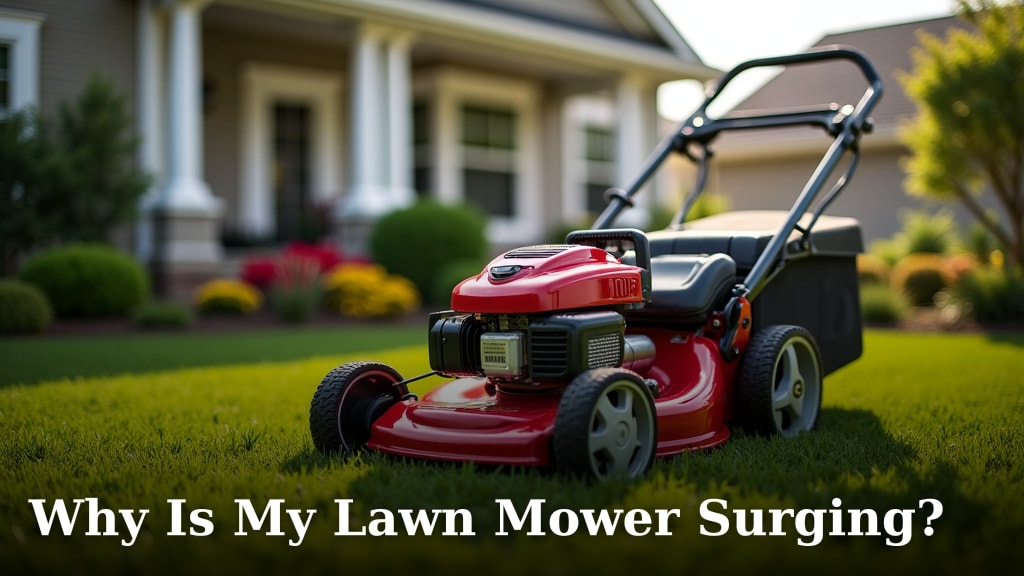
Your lawn mower is surging because of a problem with its fuel or air delivery system. This often means the engine isn’t getting a consistent mix of fuel and air. It’s a common issue that makes your mower run unevenly, like it’s repeatedly speeding up and slowing down.
We found that problems like a clogged carburetor, old fuel, or a dirty air filter are usually the culprits. These issues prevent your engine from getting the precise balance it needs. Fixing them can often get your mower running smoothly again, avoiding that frustrating surge.
TL;DR:
- Mower surges due to inconsistent fuel/air.
- Often caused by carburetor issues.
- Old fuel or dirty filters can also be blamed.
- Fixing these parts should stop the surging.
Let’s walk through the common reasons your lawn mower might be surging. We’ll also cover simple steps you can take to diagnose and fix these annoying problems yourself.
Common Reasons Your Mower Engine Surges
If your lawn mower sounds like it’s repeatedly speeding up and slowing down, you’re not alone. We found this “surging” is a very common complaint. It usually points to a problem with how your engine gets its fuel or air. Think of it like a car sputtering when it doesn’t get enough gas. Your mower needs a perfect balance of air and fuel to run smoothly.
Fuel Delivery Problems
Often, the problem starts with the fuel. What kind of fuel are you using? How old is it? These questions might seem simple, but they’re incredibly important for engine health.
Old or Stale Fuel
Using old gasoline is a common culprit. Did you know that gasoline can go bad? We found that today’s ethanol-blended fuels can start to degrade in as little as 30 days, especially if not stored properly. When fuel gets old, it can become gummy or varnish-like. This sticky residue can Our guide on whether you can leave gas in a lawn mower over winter offers advice on storing fuel properly to prevent degradation.clog tiny passages in your carburetor, making it hard for the engine to get a consistent fuel supply.
- Symptoms: Surging, hard starting, or engine dying after a few minutes.
- Solution: Drain the old fuel completely from the tank and fuel lines. Refill with fresh, high-octane gasoline. Consider using a fuel stabilizer if you store fuel for more than a month.
Clogged Fuel Filter
Your mower has a fuel filter, much like your car. Its job is to catch debris before it reaches the carburetor. If this filter gets dirty or clogged, it restricts the flow of fuel. Imagine trying to drink through a straw that’s partially blocked – you only get sips, not a steady stream. Your engine feels the same way. We found this is a fairly easy fix, but often overlooked.
- Symptoms: Surging, loss of power, engine stalling.
- Solution: Locate the fuel filter (usually on the fuel line between the tank and carburetor). Replace it with a new one. This is a quick and inexpensive repair.
Dirty Carburetor
Ah, the carburetor. This is often the prime suspect when it comes to surging engines. Its job is to mix the right amount of air and fuel before it enters the engine. If any part of it is dirty or blocked, that delicate balance is thrown off. Small fuel jets and passages can become clogged with gunk from old fuel or debris. This causes the engine to starve for fuel intermittently, leading to that annoying surge. Many engine experts agree this is the most common cause of surging (Briggs & Stratton).
What makes a carburetor get dirty? Usually, it’s those gummy deposits from stale fuel. Sometimes, tiny bits of dirt or rust from the fuel tank can also get past the filter and into the carburetor.
- Symptoms: Persistent surging, engine sputtering, difficulty maintaining a steady RPM.
- Solution: You can try to clean the carburetor. This often involves removing it, disassembling it, and using a carburetor cleaner spray to clear out all the tiny passages and jets. If you’re not comfortable with this, a professional mechanic can help. In some cases, a full carburetor rebuild or replacement might be needed if it’s too corroded.
Air Delivery Problems
Just like fuel, your engine needs a good supply of clean air. If the air supply is restricted or inconsistent, it can also cause surging.
Dirty Air Filter
Your mower’s engine needs to breathe. The air filter acts as its lungs, keeping dirt and dust out of the engine. If the air filter becomes clogged with grass clippings, dirt, or debris, it chokes off the air supply. This makes the fuel-air mixture too rich (too much fuel for the amount of air). The engine then struggles, causing it to surge as it tries to compensate. We found this is one of the easiest fixes you can do.
- Symptoms: Surging, black smoke from the exhaust, loss of power.
- Solution: Check your air filter. If it’s dirty, either clean it (if it’s a foam filter) or replace it (if it’s paper). This should be a routine maintenance item, typically done once a season or more often in dusty conditions.
Loose or Leaky Intake Gaskets
Between your carburetor and the engine, there are gaskets that seal the connection. If these gaskets become old, cracked, or simply aren’t sealed properly, they can allow “unmetered” air into the engine. This means the engine is getting air that hasn’t passed through the carburetor, disrupting the carefully balanced fuel-air mix. An air leak can cause the engine to run lean, leading to surging as it tries to adjust.
- Symptoms: Surging, difficulty idling, sometimes a whistling sound around the carburetor.
- Solution: Inspect the gaskets between the carburetor and the engine. If they look worn or damaged, replace them. Make sure all bolts securing the carburetor are tightened properly.
Ignition and Spark Issues
While less common for surging than fuel or air issues, a weak or inconsistent spark can also contribute to an uneven running engine.
Faulty Spark Plug
Your spark plug creates the spark that ignites the fuel-air mixture. If the spark plug is old, fouled with carbon deposits, or has an incorrect gap, it might not be firing consistently. This can lead to misfires and a surging sensation as the engine struggles to maintain smooth combustion. Think of it like trying to light a campfire with damp matches – it’s just not going to burn consistently.
- Symptoms: Surging, hard starting, engine misfires, reduced power.
- Solution: Remove the spark plug and inspect it. Look for excessive carbon buildup, oil fouling, or a worn electrode. Clean it with a wire brush if it’s just a little dirty, or replace it if it’s heavily fouled or worn. Always ensure the gap is set correctly according to your mower’s manual.
Other Potential Culprits
Sometimes, the issue isn’t quite so clear-cut. There are a few other areas to check if the main suspects don’t pan out.
Governor Problems
Your mower has a governor, which is a mechanical device that regulates engine speed. Its job is to maintain a constant RPM, even when the load on the engine changes (like when you hit thick grass). If the governor linkage is bent, sticky, or out of adjustment, it can cause the engine to hunt for a steady speed, resulting in surging. This is like a cruise control system that can’t quite make up its mind. Many manufacturers highlight the importance of properly functioning governors for engine stability (Kohler Engines).
- Symptoms: Surging, engine speed fluctuates excessively, sometimes engine over-revving.
- Solution: Check the governor linkages for any obstructions or stiffness. Lubricate them if necessary. Adjusting the governor can be a bit tricky and might be best left to a service professional if you’re unsure.
Exhaust System Obstruction
This is less common for surging, but a partially blocked muffler or exhaust pipe can create back pressure that affects engine performance. If exhaust gases can’t escape freely, it can interfere with the engine’s ability to “breathe” in new air and fuel, leading to uneven running. It’s like trying to sing with your hand over your mouth – not ideal.
- Symptoms: Surging, loss of power, engine overheating, unusually loud or quiet exhaust.
- Solution: Inspect the muffler and exhaust port for any blockages, such as mud, grass, or even pest nests. Clear any obstructions.
Your Surging Mower Checklist
To help you troubleshoot, we’ve put together a quick checklist. Go through these items step-by-step. You’ll likely find your answer without too much hassle!
- Check fuel: Is it fresh? Is there enough?
- Inspect the fuel filter: Is it clean or clogged?
- Examine the air filter: Is it clean or dirty?
- Look at the spark plug: Is it clean, gapped correctly, and firing?
- Check carburetor linkages: Are they moving freely?
- Inspect intake gaskets: Are there any visible leaks or cracks?
You can see how many of these issues are interconnected, often stemming from basic maintenance. Taking the time to address these points can save you a trip to the repair shop and get your mower back to its smooth-running self.
| Problem Area | Common Symptoms | Quick Fix / Next Step |
|---|---|---|
| Old/Stale Fuel | Surging, hard starts, engine dies | Drain and refill with fresh fuel + stabilizer |
| Clogged Fuel Filter | Surging, loss of power, engine stalling | Replace the fuel filter |
| Dirty Air Filter | Surging, black smoke, reduced power | Clean or replace the air filter |
| Dirty Carburetor | Persistent surging, sputtering, unstable RPM | Clean carburetor or consider professional service |
| Faulty Spark Plug | Surging, misfires, hard starting | Clean, regap, or replace spark plug |
Conclusion
Dealing with a surging lawn mower can be frustrating, but as we’ve explored, it usually boils down to a few key areas: your fuel, air, or spark systems. We found that most problems stem from simple issues like old fuel, dirty filters, or a clogged carburetor. By systematically checking these components, you can often diagnose and fix the problem yourself, saving time and money.
Remember, regular maintenance is your best defense against surging. So, next time your mower acts up, don’t despair! Grab your tools, follow our checklist, and get your lawn mower running smoothly again for a pristine lawn.
Frequently Asked Questions
Why does my lawn mower only surge when it’s cold?
If your mower surges only when cold, it often points to a lean fuel mixture. This can happen if the choke isn’t engaging properly or if there’s a minor clog in the carburetor that clears up as the engine warms. We recommend checking your choke operation and spark plug condition first.
Can a bad gas cap cause my mower to surge?
Yes, a faulty or clogged gas cap can definitely cause surging. Your fuel tank needs to be vented to allow fuel to flow properly. If the vent is blocked, it can create a vacuum, starving the engine of fuel and leading to inconsistent performance.
Is it bad to run a lawn mower that is surging?
Running a surging lawn mower isn’t ideal and can lead to further damage over time. The inconsistent fuel-air mixture can cause excess wear on engine components or foul the spark plug more quickly. It’s best to address the issue promptly to prevent more serious problems.
How often should I clean my lawn mower’s carburetor?
The frequency of carburetor cleaning depends on your fuel quality and usage. If you use fresh, stabilized fuel and store your mower properly, you might only need to clean it every few seasons. However, if you use old fuel or experience persistent surging, an annual cleaning might be necessary.
What’s the easiest thing to check first if my mower is surging?
Based on our findings, the absolute easiest first step is to check and replace the fuel and air filters. They are inexpensive, easy to access, and very common causes of surging. After that, drain any old fuel and refill with fresh gas.
