
How To Maintenance Lawn Mower?
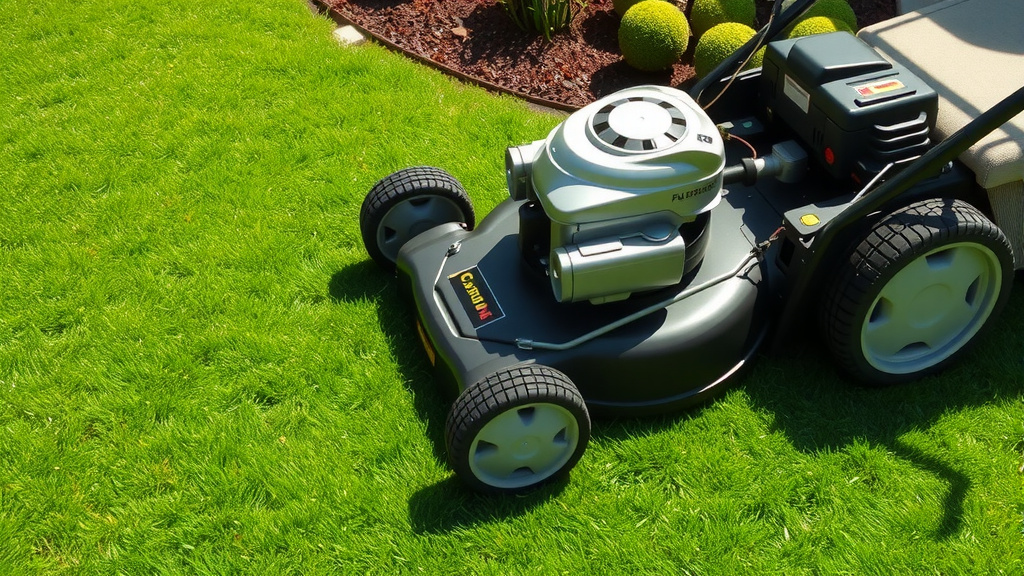
To maintenance your lawn mower, regularly check the engine oil, clean the mower deck, sharpen or replace the blade, and ensure the air filter is clean, along with proper fuel management.
Proper lawn mower maintenance is crucial for its longevity, efficient cutting, and preventing unexpected breakdowns, helping you keep your yard looking its best all season.
Here’s the straightforward scoop on keeping your lawn mower in top shape, making your yard work easier and your machine last longer:
- Regular checks of oil, fuel, and the air filter are like a quick health scan for your mower.
- A clean cutting deck stops grass from clumping and rust from forming, ensuring a smooth operation.
- Sharp blades don’t just look better; they cut your grass cleanly, which promotes a healthier lawn.
- Prepping your mower for winter storage saves you a big headache and costly repairs next spring.
- Simple, consistent care means fewer trips to the repair shop and more time enjoying your yard.
How To Maintenance Lawn Mower?
Maintaining your lawn mower involves a series of routine checks, cleaning, and occasional part replacements to keep it running optimally. It is about understanding what your machine needs to perform its best.
Why Regular Mower Maintenance Matters?
Think of your lawn mower like your car; it needs consistent care to stay reliable. Regular maintenance helps extend its life, ensures a cleaner cut, and can save you money on expensive repairs down the line.
A well-maintained mower is also a safer mower. You reduce the risk of unexpected malfunctions that could cause injuries. We found that many lawn care experts stress this point consistently.
Your Pre-Mow Checklist
Before you even pull the starter cord, a quick check can make a big difference. This brief inspection ensures everything is ready for a smooth cut.
Checking Engine Oil Levels
Always check your oil before each use. Make sure your mower is on a level surface. Remove the dipstick, wipe it clean, reinsert it fully, then check the oil level again.
The oil should be between the full and add marks. Many experts say using the right type of oil is key for engine health (Briggs & Stratton).
Fuel Up Wisely
Fresh gasoline is always best. Old fuel can cause starting issues or even damage the engine. If your mower has sat for a while, consider draining old fuel.
Many people find that using ethanol-free gasoline helps prevent fuel system problems. Some research suggests ethanol can be hard on small engines (EPA guidelines).
Deep Dive: Seasonal Maintenance Tasks
Beyond the quick checks, certain tasks need your attention periodically. These are often done once or twice a season, or after a specific number of operating hours.
Sharpening or Replacing Your Blade
A dull blade tears grass rather than cutting it cleanly. This can leave your lawn looking ragged and even make it more susceptible to disease. Do you want a healthy lawn or a stressed one?
Many experts recommend sharpening your blade every 25 hours of use, or at least once per mowing season. Replacing a badly chipped or bent blade is often the safest choice.
Cleaning the Mower Deck
After each use, tip your mower on its side (spark plug facing up, if gas powered) and scrape off any accumulated grass clippings. This prevents rust and clogs.
A clean deck allows grass to flow freely, making your mower more efficient. We found that a simple putty knife or stick works wonders for this task.
Air Filter: Breathe Easy
Your engine needs clean air to run efficiently. A dirty air filter restricts airflow, making the engine work harder and consume more fuel. It’s like trying to run with a hand over your mouth!
Inspect the air filter regularly. If it’s dirty, you can often tap out loose debris, or clean it with soap and water if it’s a foam filter. Paper filters usually need to be replaced annually (Kohler Engines recommends this).
Spark Plug Check-Up
The spark plug ignites the fuel-air mixture. Remove it with a spark plug wrench. Look for wear or heavy carbon buildup.
If the tip is black or corroded, it’s time for a replacement. A fresh spark plug can often make your mower start easier and run smoother.
Inspecting Wheels and Belts
Take a moment to check your mower’s wheels for any loose nuts or excessive wobble. For self-propelled models, inspect the drive belts for cracks or fraying. If they look worn, replacement might be needed to keep things moving.
Winterizing Your Lawn Mower
When the mowing season ends, proper storage is vital. Winterizing prevents common problems that arise from long periods of inactivity.
Fuel Stabilizer is Your Friend
If you plan to store your mower with fuel in the tank, add a fuel stabilizer. This prevents the gasoline from breaking down and creating gummy deposits that can clog the carburetor.
Alternatively, some people prefer to run the fuel tank completely dry. This avoids any fuel-related issues altogether when spring arrives.
Battery Care for Electric Starters
If your mower has an electric start, remove the battery. Clean its terminals and store it in a cool, dry place. A trickle charger can keep it topped up over the winter.
Many manufacturers advise keeping batteries charged to prolong their lifespan (Yuasa Battery information).
Common Mower Problems and Simple Fixes
Sometimes, despite your best efforts, things go awry. Here’s a quick guide to some common issues and their straightforward solutions:
| Problem | Possible Cause | Simple Fix |
|---|---|---|
| Mower won’t start | Old fuel, dirty spark plug, clogged air filter | Drain old fuel, replace spark plug, clean/replace air filter |
| Uneven cut | Dull blade, uneven deck, worn wheel bearings | Sharpen/replace blade, adjust deck height, check wheel bolts |
| Engine smokes (white/blue) | Overfilled oil, wrong oil type, worn engine parts | Check oil level, use correct oil, consult repair professional |
Daily Care Habits for a Healthier Mower
Small habits can lead to a healthier, longer-lasting machine. These few steps won’t take much time, but they pay off big.
- Wipe down your mower after each use to remove grass and dirt.
- Clear grass clippings from under the deck to prevent buildup.
- Inspect for any loose bolts or components that might need tightening.
- Store your mower in a dry, covered area, protecting it from the elements.
- Check the fuel level before you start, so you don’t run out mid-mow.
Conclusion
Taking care of your lawn mower doesn’t need to be a chore. With just a little regular attention and a few simple steps, you can keep your machine running smoothly for years. It’s about being proactive rather than reactive, isn’t it?
By following these maintenance tips, you’ll ensure your mower is always ready for action. You’ll enjoy a healthier, more beautiful lawn, and save yourself from frustrating breakdowns and expensive repair bills. Your future self (and your wallet!) will thank you.
How often should I change my lawn mower’s oil?
Many manufacturers recommend changing your lawn mower’s engine oil annually, or after every 25-50 hours of operation, whichever comes first. This keeps the engine lubricated and clean.
Can I use car oil in my lawn mower?
While some car oils might seem similar, it’s generally best to use oil specifically formulated for small engines or follow your mower’s manual. Car oil often lacks additives necessary for air-cooled small engines, which operate at higher temperatures.
What’s the best way to store gasoline for my mower?
Always store gasoline in a clearly labeled, approved container in a cool, dry, well-ventilated area away from direct sunlight and heat sources. Add a fuel stabilizer if storing for more than a month to keep it fresh.
My mower is vibrating a lot, what could be wrong?
Excessive vibration often points to an unbalanced or bent blade. A loose blade, a damaged cutting deck, or even an engine issue could also be culprits. Stop using the mower and inspect the blade first, ensuring it’s properly secured and not bent.
Is it really necessary to winterize my lawn mower?
Yes, winterizing is highly recommended. It prevents fuel system issues, battery drainage, and general wear and tear that can occur during long periods of inactivity. This crucial step helps ensure your mower starts reliably next spring and extends its overall lifespan.
