
What Does Svc Mean On John Deere Lawn Mower?
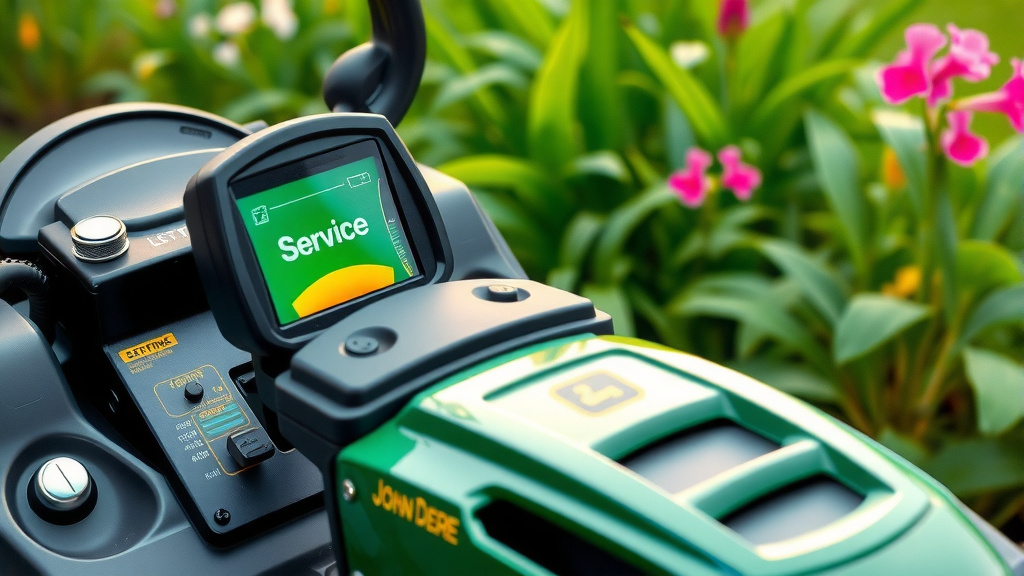
The “SVC” indicator on a John Deere lawn mower means your machine is due for service. It serves as a helpful reminder that it’s time for routine maintenance.
This service alert ensures your John Deere lawn mower stays in top condition, preventing bigger issues down the road.
Here’s the short version for your busy schedule:
- The SVC light means your John Deere mower needs a scheduled service.
- It’s usually a timer-based reminder, not an immediate breakdown alert.
- Ignoring it can lead to reduced performance and costly repairs.
- You can often reset it yourself after performing the maintenance.
- Regular service keeps your mower running efficiently and extends its life.
What Does Svc Mean On John Deere Lawn Mower?
The “SVC” symbol on your John Deere lawn mower indicates that your machine has reached a predetermined operating hour interval, signaling it’s time for routine maintenance or service. Think of it like the oil change reminder light in your car.
It’s a proactive system designed to keep your equipment running smoothly and efficiently for years to come.
Why Does My John Deere Mower Have an SVC Light?
John Deere designs its mowers with maintenance in mind. The SVC light is a feature to help you stay on top of preventative care.
It usually activates after a certain number of hours, like 50 or 100, letting you know it’s time for a check-up.
Understanding the Service Interval
Each John Deere model has a specific service schedule. This schedule tells you when to check fluids, change filters, and inspect components.
The SVC light aligns with these recommended intervals, making it simpler for you to remember. We found that consulting your operator’s manual is key for exact timings.
Is the SVC Light a Warning Sign?
Not usually, in the sense of an emergency. The SVC light is primarily a maintenance reminder.
It doesn’t typically mean something is broken right now. Instead, it’s a prompt to perform service before an issue develops.
What Happens If You Ignore the SVC Light?
While not an urgent warning, ignoring the SVC light isn’t a good idea. Skipping scheduled maintenance can lead to a few problems.
You might experience reduced fuel efficiency, poor cutting performance, or even serious mechanical failures down the line. Many experts say neglecting service shortens your mower’s lifespan.
Common Maintenance Tasks During SVC
When the SVC light comes on, you’ll want to address several key areas. These tasks help keep your mower in peak condition.
Typically, service includes checking engine oil, replacing air and fuel filters, inspecting spark plugs, and sharpening blades. We also found that checking tire pressure and belt tension are often on the list.
Resetting the SVC Light: A Step-by-Step Guide
After you complete the service, you’ll need to reset the SVC light. This process is usually straightforward and can be done yourself.
Often, it involves turning the key to a specific position, pressing the hour meter button, or following a sequence in your manual. Always refer to your specific John Deere model’s manual for accurate instructions.
When Should You Call a Professional?
While some maintenance is DIY-friendly, there are times to call in the experts. If you’re unsure about a task or notice complex issues, a professional can help.
For example, if the engine is making unusual noises or the mower isn’t running right even after basic service, it’s time for professional diagnostics and repair.
Preventative Maintenance: Your Mower’s Best Friend
The SVC light is part of a larger preventative maintenance strategy. Taking care of your mower regularly saves you time and money.
Think of it as routine health checks for your machine. This approach ensures consistent performance and longevity for your John Deere.
The Benefits of Regular Servicing
Regular service offers many advantages beyond just extending your mower’s life. It ensures your machine runs efficiently, saving on fuel costs.
You also get a better cut and reduce unexpected breakdowns during peak mowing season, which is always a bonus!
DIY vs. Professional Service: Making the Choice
Deciding whether to do the service yourself or take it to a dealer can depend on your comfort level and tool availability. Here’s a quick comparison:
| Aspect | DIY Service | Professional Service |
|---|---|---|
| Cost | Lower (parts only) | Higher (parts + labor) |
| Expertise | Requires basic mechanical knowledge | Factory-trained technicians |
| Tools Needed | Basic hand tools | Specialized equipment |
| Time | Your own schedule | Appointment-based |
| Warranty Impact | May affect if done incorrectly | Maintains warranty compliance |
Ultimately, the choice is yours. We found that many basic tasks are manageable for most owners.
Essential Tools for DIY John Deere Maintenance
If you choose the DIY route, you’ll need a few basic tools. Having these on hand makes servicing much easier.
A wrench set, spark plug wrench, oil filter wrench, and a drain pan are typical. Also, a good air compressor for cleaning filters is often helpful. Don’t forget safety glasses and gloves!
Getting Your John Deere Ready for Service
Before you start any maintenance, a little preparation goes a long way. This ensures both your safety and an easier job.
Always disconnect the spark plug wire to prevent accidental starting. Ensure your mower is on a flat, stable surface and let the engine cool down completely. Many experts recommend cleaning the mower first, too.
What If the SVC Light Comes Back On Quickly?
If you’ve just serviced your mower and the SVC light returns almost immediately, don’t fret. This usually means the reset procedure wasn’t performed correctly.
Double-check your operator’s manual for the exact reset steps. If it persists after a correct reset, there might be a separate electrical issue, which is rarer but possible.
A Quick Checklist for SVC
To help you tackle your next service, here’s a quick checklist:
- Review your John Deere owner’s manual.
- Gather all necessary parts and tools.
- Ensure the mower is cool and safe to work on.
- Perform all scheduled maintenance tasks.
- Reset the SVC light according to instructions.
Conclusion
The “SVC” light on your John Deere lawn mower is a friendly nudge, not a dire warning. It’s simply your mower’s way of saying, “Hey, it’s time for some routine care!”
By understanding what it means and taking action, you’re actively contributing to the health and longevity of your machine. Whether you’re a DIY enthusiast or prefer professional help, consistent service keeps your John Deere running like new, giving you that perfectly manicured lawn every time.
What are the typical service intervals for a John Deere mower?
Typical service intervals for John Deere mowers often range from 50 to 100 operating hours, or once per mowing season, whichever comes first. Always check your specific model’s operator’s manual for the most accurate recommendations.
Can I clear the SVC light without actually doing the service?
Yes, you can often reset the SVC light without performing the service by following your mower’s manual. However, it’s highly recommended to complete the maintenance first. Resetting it without servicing simply delays potential problems and reduces your mower’s efficiency.
Does the SVC light mean my John Deere mower is breaking down?
No, the SVC light is generally not an indicator of a breakdown. It’s a preventative maintenance reminder. Think of it like a scheduled check-up, not an emergency room visit for your mower.
What specific maintenance is usually required when the SVC light appears?
When the SVC light appears, the required maintenance often includes changing the engine oil and oil filter, replacing the air filter, checking or replacing spark plugs, inspecting fuel filters, and lubricating moving parts. Blade inspection and sharpening are also common tasks.
Will servicing my John Deere mower myself void the warranty?
Performing routine maintenance yourself generally will not void your John Deere warranty, provided you follow the manufacturer’s procedures and use approved parts. However, if an issue arises that can be directly attributed to incorrect DIY service, it might impact a warranty claim. Keep records of your maintenance!
