
Why Does My Ryobi 40V Lawn Mower Keep Stopping?
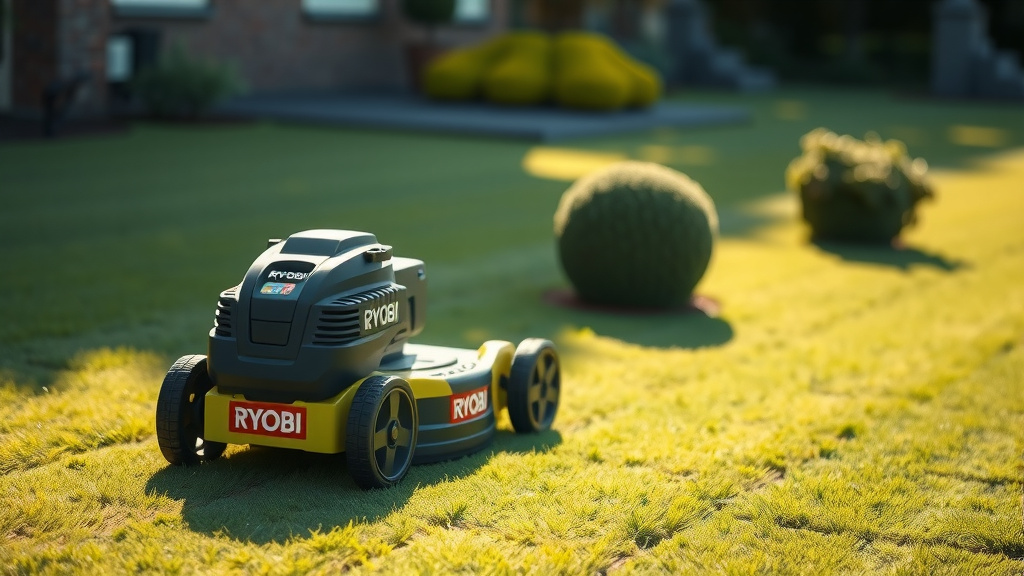
Your Ryobi 40V lawn mower often stops due to a low battery charge or an overloaded motor from thick grass. Other common culprits include a dull blade or a clogged cutting deck.
Troubleshooting usually involves checking your battery, clearing debris, or adjusting your mowing technique to prevent the Ryobi 40V lawn mower from repeatedly stopping.
- Your Ryobi 40V mower might stop because the battery is low or not fully charged.
- Thick, tall grass can cause the motor to overheat and shut down for protection.
- A dull blade or a deck packed with clippings will strain the motor significantly.
- Always check for any obstructions under the deck before you start mowing.
- Mowing too fast or on wet grass also puts extra stress on the mower’s system.
Why Does My Ryobi 40V Lawn Mower Keep Stopping?
Your Ryobi 40V lawn mower stops as a safety measure or due to a lack of power or efficient operation. It is usually a fixable issue, not a sign of major trouble.
The Battery Blues: Power Issues
Is your battery fully charged? This seems simple, but it’s often the primary reason your mower stops. A partially charged or aging battery might not deliver consistent power to the motor.
Many experts say to always fully charge your battery before each use (Ryobi Support). Also, check if the battery is securely seated in its compartment. A loose connection can interrupt power flow unexpectedly.
Overheating Battery or Charger?
Sometimes the battery itself can get too hot, especially on warm days or during extended use. If it overheats, the battery’s internal protection system will shut it down. We found that letting it cool down often resolves this issue.
Blade Troubles: Dullness and Damage
Imagine trying to cut steak with a butter knife. That’s what a dull blade does to your mower. A dull or damaged blade forces the motor to work much harder, leading to overload and eventual shutdown.
We found that regular blade sharpening or replacement can make a huge difference in mower performance. A sharp blade cuts cleanly, reducing strain on the motor.
Is Something Tangled Underneath?
Sometimes, string, twigs, or other debris can get wrapped around the blade shaft. This acts like a brake, making the motor struggle and stop. Always disconnect the battery before inspecting the underside for obstructions. Safety first, always!
Deck Dynamics: Clogs and Build-up
A clogged cutting deck restricts the movement of grass clippings. When grass builds up, it creates extra resistance for the blade, making the motor work overtime. This strain on the motor often triggers a shutdown.
It’s like trying to run through deep mud – much harder than on a clear path. Regular cleaning of the deck underside, especially after mowing wet grass, is essential. We found this prevents many stopping issues.
- Clean the underside of your deck regularly to prevent grass build-up.
- Ensure the grass chute isn’t blocked, especially when bagging clippings.
- Check for any obstructions around the blade or motor housing.
- Brush off any debris from the motor’s cooling vents.
Motor Overload: Pushing Too Hard
Your Ryobi 40V mower is powerful, but it has limits. Trying to cut extremely thick, tall, or wet grass can overwhelm the motor. When the motor senses too much resistance, it will shut off to prevent damage. This is a built-in safety feature.
Think of it like lifting something too heavy; your body tells you to stop. Mowing too fast can also cause this overload. Slow down and take smaller passes, especially in challenging areas.
Adjusting Your Mowing Technique
We found that raising the cutting height in thick areas helps immensely. You might need to make two passes: one higher cut, then a second lower one. This reduces the immediate load on the motor. Mowing dry grass is always easier on your equipment.
Safety Features at Work
Your Ryobi 40V mower has several safety mechanisms designed to protect both you and the machine. If the safety bail handle is not fully engaged, the mower will not run or will stop abruptly. Always ensure you have a firm grip on the bail.
Sometimes, a faulty safety switch can cause intermittent stopping. If you’ve checked everything else, this might be a possibility. However, investigating safety switches often requires a technician (Ryobi Service Manual).
Ryobi 40V Mower Troubleshooting Checklist
- Is the battery fully charged and securely inserted?
- Are the blades sharp and free of damage?
- Is the cutting deck clear of grass clippings and debris?
- Are there any obstructions tangled around the blade shaft?
- Are you mowing excessively thick or wet grass?
- Is the safety bail handle fully engaged during operation?
Temperature Too High? Check the Motor!
Just like your car, your mower’s motor can overheat. This is more common when working in hot weather or when the motor is under constant heavy strain. If the motor gets too hot, it will automatically shut down. Allow it to cool down completely before restarting.
Ensuring the motor’s cooling vents are clean and unobstructed can help with heat dissipation. Blocked vents trap heat, leading to premature shutdowns. Many experts recommend routine cleaning of these areas.
Voltage Variations: A Hidden Culprit
Sometimes, the battery or motor might experience small voltage dips. These dips can trigger the mower’s protective circuits, causing it to stop. This can be harder to diagnose, as it might feel intermittent. We found this can sometimes point to a failing battery or an issue within the mower’s electronics (Ryobi Technical Guides).
A Quick Guide to Common Ryobi Mower Issues
Understanding potential problems can save you time and frustration. Here’s a quick reference for common causes.
| Issue | Symptoms | Quick Fix |
|---|---|---|
| Low Battery | Mower cuts out quickly, reduced power. | Full charge, check connections. |
| Dull Blade | Ragged grass cuts, motor strains. | Sharpen or replace blade. |
| Clogged Deck | Poor cutting, grass clumps, motor struggling. | Clean underside of deck. |
| Overload | Stops in thick/wet grass, motor hums then quits. | Raise cut height, mow slower. |
| Overheating | Motor feels hot, shuts off mid-job. | Let cool, clear vents. |
Conclusion
Most Ryobi 40V lawn mower stopping issues boil down to a few common culprits. By systematically checking your battery, blade, deck, and mowing technique, you can often diagnose and fix the problem quickly. Remember, these mowers have safety features designed to protect them, so a shutdown isn’t always a sign of breakage. A little care goes a long way in keeping your lawn mower running smoothly and your lawn looking great!
What is the most common reason a Ryobi 40V mower stops?
The most common reason a Ryobi 40V mower stops is typically a low or improperly seated battery, followed closely by the motor overloading due to cutting very thick or wet grass.
How often should I sharpen my Ryobi mower blade?
We found that sharpening your Ryobi mower blade at least once per mowing season is a good practice. If you mow a very large lawn or frequently hit debris, you might need to sharpen it more often, perhaps every 25 hours of use.
Can wet grass damage my Ryobi 40V mower?
While cutting wet grass won’t necessarily “damage” your mower in one go, it puts significant strain on the motor and can lead to frequent stopping. It also makes for a less clean cut and can clog the deck more easily.
Why does my Ryobi mower shut off after a few minutes?
If your Ryobi mower consistently shuts off after a few minutes, it often indicates an overheating issue with either the battery or the motor. This could be due to heavy load from thick grass, high ambient temperatures, or blocked cooling vents.
When should I consider replacing my Ryobi 40V battery?
You should consider replacing your Ryobi 40V battery when you notice a significant reduction in run time, even after a full charge. If it struggles to hold a charge or quickly loses power, its lifespan is likely diminishing.
