
How To Turn On Honda Gcv160 Lawn Mower?
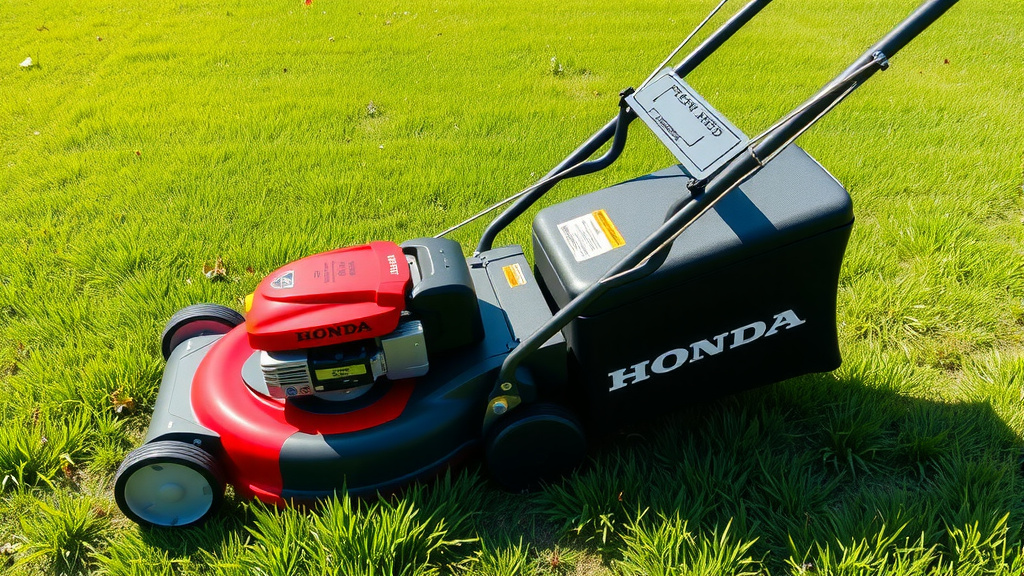
Turning on your Honda GCV160 lawn mower typically involves checking fuel and oil levels, priming the engine if equipped, engaging the choke, and pulling the starter cord with a steady, confident motion.
Always ensure safety mechanisms are disengaged and the blade area is clear before attempting to start your Honda GCV160 for personal safety and optimal performance.
- First, always check your fuel and engine oil; these are non-negotiables for any start.
- Next, find your choke and primer bulb; they give the engine that essential starting boost.
- When pulling the cord, remember it’s about a firm, consistent motion, not a quick, hard jerk.
- If it doesn’t fire up, don’t panic; a few simple troubleshooting steps can often get you back on track.
- Keeping your mower maintained means fewer starting headaches and more time enjoying your yard.
How To Turn On Honda Gcv160 Lawn Mower?
Starting your Honda GCV160 lawn mower is straightforward once you follow a few simple steps for proper preparation and execution.
It’s all about ensuring the engine has what it needs and then giving it a good, strong pull.
Why Won’t Your Mower Start? A Quick Check
Before you even think about pulling that cord, let’s cover the basics. We’ve all been there, pulling and pulling, only to realize we missed something obvious, right?
Many experts say that most starting issues come down to fuel, oil, or a spark plug issue (Lawn Care Guides).
Fuel Up Right
Is there fresh gas in the tank? It sounds basic, but old gas can cause big problems. We found that gasoline older than 30 days can start to break down.
Always use fresh, clean unleaded gasoline for your Honda GCV160. Make sure the fuel cap is also vented and secure.
Oil Check Is Crucial
Your engine needs oil, just like you need coffee in the morning! Check the oil level using the dipstick.
Low oil levels can prevent your mower from starting due to safety sensors. Add the recommended oil type if it’s low (Manufacturer’s Manual).
Getting Ready to Start: The Pre-Flight Checklist
Think of this as your pre-mow routine. A quick once-over can save you a lot of frustration. Let’s make sure everything is in its place.
Research often connects proper preparation with a smoother start every time.
- Check the Engine Stop Switch: Ensure it’s in the “ON” position. This is a common oversight!
- Confirm the Spark Plug Wire: Is it securely attached to the spark plug? A loose connection means no spark.
- Clear the Deck: Remove any grass clippings or debris from around the blade and underneath the deck.
- Blade Control Bar: Make sure you hold this bar against the handle. It’s a safety feature that needs to be engaged.
- Position Yourself Safely: Stand firmly behind the mower, clear of the discharge chute.
Choke and Primer: Your Starting Allies
These two components are your best friends for a cold start. The choke restricts air, making the fuel mixture richer, while the primer adds a small shot of fuel.
Many experts suggest using the choke for cold starts and the primer for extra help, especially after the mower has sat for a while.
The Right Stance for Pulling
Posture matters! Standing correctly gives you the best leverage and helps prevent back strain. We recommend placing one foot firmly on the mower’s deck.
This anchors the mower, allowing you to pull the cord straight and strong.
The Starting Sequence: Step-by-Step
Okay, you’ve checked everything. Now it’s time for the moment of truth. Let’s walk through it together.
This sequence is what manufacturers recommend for consistent starting.
- Engage the Choke: Move the choke lever to the “CHOKE” or “START” position.
- Press the Primer Bulb: If your model has one, press it 2-3 times firmly. Don’t overdo it, or you might flood the engine.
- Hold the Blade Control Bar: Squeeze this bar against the handle.
- Pull the Starter Cord: Give the cord a slow, gentle pull until you feel resistance, then pull it briskly and smoothly. Don’t yank it hard at the very end.
- Listen for a Cough: If the engine sputters or “coughs,” it’s a good sign.
- Disengage Choke: As soon as the engine starts and runs smoothly, move the choke lever to the “RUN” position.
The First Pull and What Happens Next
That first pull sets the stage. If the engine doesn’t start, don’t get discouraged. Sometimes it takes a couple of tries.
Many lawn care professionals say it’s more about the quality of the pull than the quantity (Lawn Mower Mechanics).
What If It Doesn’t Start? Troubleshooting
Even with perfect technique, sometimes things go awry. Here’s a quick troubleshooting guide for common issues. We found these cover most situations.
This table can help you pinpoint the problem quickly, saving you time and stress.
| Issue | Possible Cause | Quick Fix |
|---|---|---|
| Engine turns over but doesn’t start | Stale fuel, fouled spark plug, clogged fuel filter. | Drain old fuel, replace spark plug, check/clean fuel filter. |
| Engine tries to start then dies | Choke still on, low oil, air filter clogged. | Move choke to “RUN,” check/add oil, clean/replace air filter. |
| No resistance on starter cord | Broken recoil spring or flywheel key. | Requires professional repair or part replacement. |
| Engine flooded (smells like gas) | Too much priming or choke. | Turn choke off, wait 5-10 mins, try again with no choke/primer. |
Maintaining Your Honda GCV160 for Easy Starts
Preventative care is like magic for your lawn mower. A well-maintained machine is a happy machine, and it starts easily.
We’ve found that regular maintenance dramatically reduces starting problems (Equipment Longevity Studies).
Spark Plug Wisdom
The spark plug is small but mighty. It creates the spark that ignites the fuel.
Check your spark plug annually; clean or replace it if it looks dirty or worn. This is a simple fix for better starting.
Air Filter Care
A clean air filter allows your engine to breathe properly. A clogged filter chokes the engine and makes starting harder.
Inspect your air filter regularly and clean or replace it when it appears dirty or clogged with debris (Honda Service Manual).
Conclusion
Turning on your Honda GCV160 lawn mower is often a straightforward process when you approach it systematically.
By making sure you have fresh fuel, adequate oil, and by following the correct starting sequence with the choke and primer, you’re setting yourself up for success.
Remember, patience and a good maintenance routine are your best tools for a reliable start every time. Now go get that lawn trimmed!
How do I know if my Honda GCV160 engine is flooded?
If your Honda GCV160 engine is flooded, you’ll likely smell a strong odor of gasoline, and the engine may refuse to start or only sputter weakly. This usually happens if you press the primer bulb too many times or leave the choke on for too long during repeated starting attempts.
Can old gasoline cause starting problems for my GCV160?
Absolutely. Old gasoline, especially fuel that has been sitting for more than 30 days, can break down and cause significant starting problems. It can clog fuel lines and carburetors, making it very difficult for your GCV160 engine to fire up reliably. Always use fresh fuel.
What is the purpose of the primer bulb on my Honda GCV160?
The primer bulb’s purpose is to inject a small, concentrated amount of fuel directly into the carburetor. This “primes” the engine, enriching the fuel mixture for an easier start, especially when the engine is cold or has been sitting unused for a while. It’s like giving your engine a little boost to get going.
How often should I check the oil in my Honda GCV160 lawn mower?
Many experts recommend checking the oil level every time you plan to use your Honda GCV160 lawn mower, or at the very least, before every major mowing session. This ensures the engine always has sufficient lubrication, protecting it from wear and preventing potential starting issues caused by low oil safety shut-offs.
My GCV160 starts but then dies after a few seconds, what’s wrong?
If your GCV160 starts and then quickly dies, it could be several things. Often, it means the choke might still be engaged too long after starting, or the air filter is clogged and restricting airflow once the engine tries to run without the choke. Sometimes, it can also point to fuel delivery issues, like a partially clogged fuel filter.
