
What Is the Best Time of Day to Mow the Lawn?
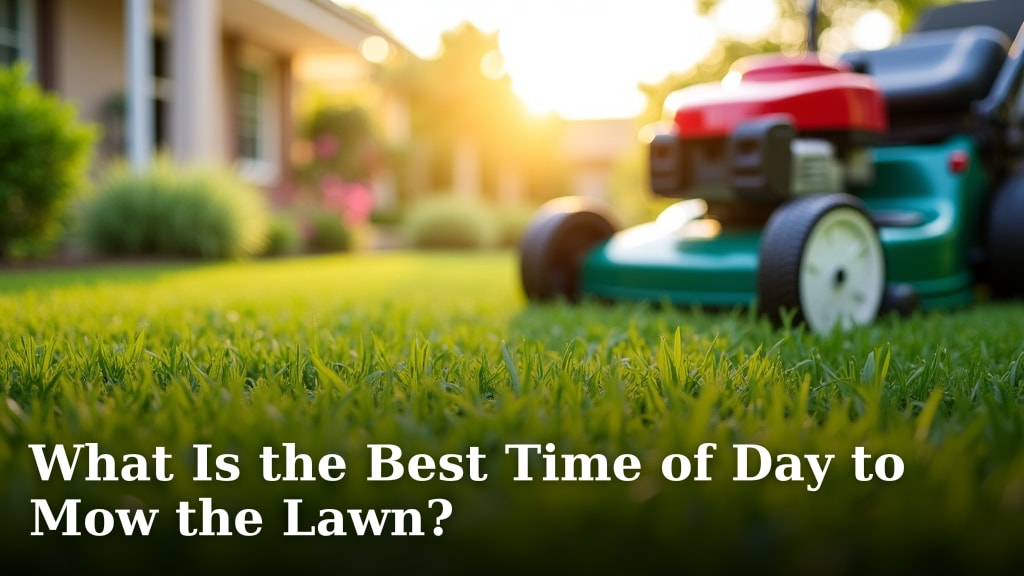
The best time of day to mow the lawn is typically in the late morning or early evening. This allows the grass blades to dry sufficiently after the morning dew and before the intense heat of the afternoon sun. Mowing when the grass is dry helps ensure a cleaner cut and reduces the risk of disease spreading.
You might be tempted to mow first thing in the morning, but cutting wet grass can clog your mower and leave an uneven finish. Similarly, mowing in the midday heat can stress both your grass and your mower. Many lawn care professionals agree that timing is key for a healthy, vibrant lawn.
- Best Time: Late morning (after dew dries) or early evening.
- Avoid: Early morning (wet grass) and midday heat.
- Why: Dry grass cuts cleaner and is healthier.
- Disease Risk: Mowing wet grass can spread disease.
- Mower Health: Dry grass is easier on your equipment.
Let’s walk through exactly why these times work best and what happens if you choose a different part of the day.
“`htmlTiming Your Mowing for a Healthier Lawn
Deciding on the right time to mow your grass can seem simple. But, picking the best time of day makes a real difference. It helps your lawn look its best and stay healthy. Let’s look at why timing matters so much.
The Impact of Wet Grass
Have you ever mowed when the grass was still damp from morning dew? It might seem like a good idea to get the chore done early. However, mowing wet grass isn’t ideal. The moisture can cause the blades of grass to clump together. This leads to an uneven cut, leaving your lawn looking patchy.
Clogging and Clumping Issues
Wet grass clippings are heavier and stickier. They tend to clog your mower’s deck and discharge chute. This makes your mower work harder. You might find yourself stopping frequently to clear the mess. This is not only frustrating but can also put unnecessary strain on your equipment.
Disease Transmission Risks
Wet grass blades are more susceptible to disease. When you mow wet grass, you can spread fungal spores and other pathogens. These can travel from one part of your lawn to another, or even to neighboring yards. Many lawn care experts note that this is a primary reason to avoid mowing when grass is wet (Clemson Cooperative Extension).
The Danger of Midday Heat
Mowing during the hottest part of the day can stress your grass. Think of it like trying to run a marathon in the desert. Your lawn, like any living thing, can suffer from heat stress. This can lead to browning and wilting. It weakens the grass, making it more vulnerable to pests and diseases.
Stressed Grass Needs Time to Recover
When grass is already battling the heat, mowing adds to its burden. The act of cutting stresses the blades. If this happens during peak heat, the grass has less time to recover. It needs cooler temperatures to bounce back. Researchers have found that cutting grass during high temperatures can impede its ability to photosynthesize effectively (Michigan State University Extension).
Wear and Tear on Your Mower
Mowing in intense heat can also affect your mower. The engine can overheat more easily. This is especially true for older models or those not maintained well. Overheating can lead to serious engine damage. This means costly repairs or even needing to replace your mower sooner than expected.
Understanding the Ideal Mowing Windows
Knowing when *not* to mow is just as important as knowing when you *should*. Based on research and expert advice, two specific windows of opportunity stand out for lawn mowing.
The Late Morning Sweet Spot
After the morning dew has had a chance to evaporate, the late morning hours are often perfect. This typically falls between 8 AM and 10 AM, depending on your climate and the season. At this time, the grass is usually dry enough for a clean cut. Your mower will also run more efficiently without the added weight of moisture.
Benefits of Dry Grass Cutting
When grass is dry, your mower blades can slice through it cleanly. This creates a smoother, more uniform appearance. Dry clippings also don’t clump up as much. They tend to fall back onto the lawn, where they can act as a natural fertilizer, a process known as mulching.
Mower Performance and Longevity
Dry grass is simply easier to cut. This means your mower’s engine doesn’t have to work as hard. The blades stay sharper for longer. Less strain on the motor and blades can extend the lifespan of your equipment. It’s a win-win for both your lawn and your trusty mower.
The Early Evening Advantage
Another excellent time to mow is in the early evening. This generally means between 4 PM and 6 PM. The intense heat of the day has begun to subside. The grass will have had a chance to recover from any sun-induced stress. Plus, it gives the grass enough time to dry before the evening dew sets in.
Cooler Temperatures for Grass Health
Mowing when temperatures are cooler reduces stress on your lawn. The grass can heal from the cuts more quickly. It’s like giving your lawn a haircut on a comfortable day rather than a sweltering one. This helps maintain its vigor and lushness throughout the growing season.
Final Touches Before Nightfall
Mowing in the early evening also means you get to enjoy the fruits of your labor. Your lawn will look neat and tidy as the sun begins to set. It’s a satisfying way to end the day. Just ensure you finish before it gets too dark or the dew starts to form, so you don’t negate the benefits of dry grass.
Mowing Frequency and Lawn Health
The best time of day isn’t the only factor for a great lawn. How often you mow also plays a significant role. Finding the right balance ensures your grass grows strong and healthy.
The One-Third Rule of Mowing
A widely recommended practice is the “one-third rule.” This means you should never cut more than one-third of the grass blade height at any single mowing. For example, if your grass is 3 inches tall, you should only cut it down to 2 inches. This prevents shocking the grass and helps it retain energy.
Why This Rule Is Important
Cutting off too much grass at once can damage the plant. It exposes more of the stem and reduces the surface area for photosynthesis. This weakens the grass. Following the one-third rule helps maintain a consistent height and promotes denser growth.
Adjusting Mowing Schedules
Your mowing frequency will change throughout the year. Grass grows faster in the spring and early fall when temperatures are mild and moisture is plentiful. During these times, you might need to mow more often. In the heat of summer or during dry spells, growth slows, and you may need to mow less frequently.
A Quick Checklist for Optimal Mowing Times
To make things simple, here’s a quick rundown to help you remember the best times to mow:
- Check the grass early in the day. Is it wet with dew? If so, wait.
- Avoid the hottest part of the day, usually between 11 AM and 3 PM.
- Aim for late morning, after the dew has dried completely.
- Consider early evening for cooler mowing conditions and a tidy look.
- Never remove more than one-third of the grass blade height at once.
- Listen to your mower; if it’s struggling, it might be too wet or the grass too long.
| Time of Day | Pros | Cons |
|---|---|---|
| Early Morning (Before dew dries) | Gets it done early. | Wet grass clumps, spreads disease, clogs mower. |
| Late Morning (After dew dries) | Dry grass, clean cut, good for mower, less disease risk. | May need to wait a bit if dew is heavy. |
| Midday (Hottest part of day) | Can get it done if you’re in a hurry. | Stresses grass and mower, poor cut quality. |
| Early Evening (Before dew forms) | Cooler temps, dry grass, tidy lawn for evening. | Risk of mowing too late and hitting dew. |
By paying attention to these simple guidelines, you’re not just mowing your lawn; you’re actively contributing to its long-term health and beauty. It’s a small effort that yields significant rewards for your yard.
“`Conclusion
You’ve learned that the best time to mow your lawn isn’t just about convenience; it’s about promoting grass health and mower longevity. By avoiding wet grass in the early morning and the stress of midday heat, you’re setting your lawn up for success. Aiming for the late morning after the dew has dried or the early evening before it forms provides the ideal conditions for a clean cut and healthier turf. Make these simple timing adjustments part of your routine, and you’ll see a noticeable difference in how vibrant and well-maintained your yard looks. You’ve learned that the best time of day to mow your lawn isn’t just about convenience; it’s about promoting grass health and mower longevity.
Frequently Asked Questions
Is it really bad to mow wet grass?
Yes, mowing wet grass can cause problems. The clippings tend to clump together, leading to an uneven cut and potential mower clogs. Experts also warn that wet grass can more easily spread diseases across your lawn.
Can mowing in the heat damage my lawn?
Mowing during the hottest part of the day can indeed stress your grass. The act of cutting adds to the heat burden, making it harder for the grass to recover and potentially leading to wilting or browning. It can also put extra strain on your mower’s engine.
What’s the absolute latest I can mow before it gets too late?
You generally want to finish mowing in the early evening, about 4 PM to 6 PM, before the evening dew starts to form. This allows the grass to dry sufficiently before nightfall and avoids mowing when temperatures are still very high.
Does the one-third rule apply to the time of day I mow?
The one-third rule is about how much grass you cut at one time, not when you mow. However, by mowing at the optimal times (late morning or early evening), you’re more likely to be able to follow the one-third rule consistently, as the grass will be in better condition for cutting.
How do I know if my lawn is dry enough to mow?
The easiest way is to check it visually in the morning. If you see visible dew droplets on the grass blades, it’s still too wet. Give it another hour or two, especially if it’s sunny, and check again. You can also carefully press a hand down on the grass; if your hand feels damp, the grass is likely still wet.
