
Can You Mow Wet Grass?
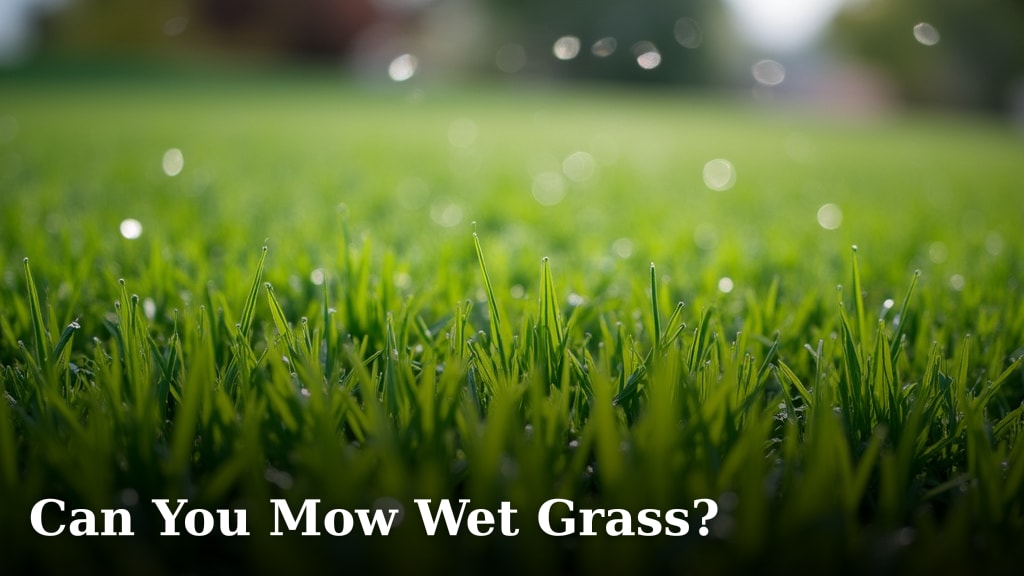
No, you generally should not mow wet grass if you can avoid it. Mowing wet grass can cause several problems for your lawn and your equipment, making the job much harder and less effective.
We found that many common issues arise when you try to cut damp blades. This can lead to an uneven cut and even damage your mower. It’s often best to wait until your lawn is dry.
- Mowing wet grass can harm your lawn.
- It can also damage your lawn mower.
- Wet clippings clump and don’t spread well.
- You might slip and get hurt on wet grass.
Let’s walk through exactly why mowing wet grass is a bad idea and what you should do instead to keep your lawn looking its best.
Why You Shouldn’t Mow Wet Grass
Mowing wet grass can be a messy and ineffective chore. We found several reasons why it’s best to wait until your lawn is dry. From harming your lawn’s health to posing safety risks, the downsides often outweigh any perceived convenience.
Harmful Effects on Your Lawn
When you mow wet grass, you’re not just cutting it; you’re often tearing it. Wet blades are flexible and tend to bend rather than snap cleanly. This can leave your lawn looking ragged and unhealthy.
Uneven Cut and Ragged Appearance
Imagine trying to cut a wet noodle with scissors; it’s much harder than cutting a dry one. Similarly, wet grass blades flop over under the mower deck. This means some blades get cut, while others are simply pushed down. The result? A very uneven lawn that looks patchy and unkempt (University of California Agriculture and Natural Resources).
These torn edges also make your grass more vulnerable. They create larger wound sites, which are perfect entry points for various lawn diseases. Fungal infections, in particular, love moist environments and can spread quickly through damaged grass.
Compacting Soil and Smothering Grass
Walking or driving a heavy mower over wet soil can lead to significant soil compaction. When soil is compacted, it becomes dense and hard. This makes it difficult for air, water, and nutrients to reach your grass roots. Your lawn needs these elements to thrive, so compacted soil can starve your grass over time.
Wet grass clippings are another problem. Unlike dry clippings, which break down and return nutrients to the soil, wet clippings tend to clump together. These heavy, soggy clumps can smother the grass underneath them. This blocks sunlight and air, causing the covered grass to turn yellow and eventually die.
Risks to Your Mower and Equipment
Your lawn mower works best with dry grass. Introducing moisture to its cutting system can lead to a host of mechanical issues. These problems can range from frustrating minor inconveniences to serious, costly repairs.
Clogging and Reduced Efficiency
Wet grass is sticky. As soon as it’s cut, it starts to adhere to the underside of your mower deck. This accumulation of clippings quickly clogs the discharge chute. When the chute is blocked, your mower can’t expel the cut grass efficiently. This forces the blades to re-cut the same grass repeatedly, putting extra strain on the engine and making your mower work much harder.
This clogging can also lead to an even worse cut. If the deck is packed with clippings, it can’t create the proper suction to lift the blades for a clean cut. You might find yourself having to stop frequently to clean out the deck, turning a simple chore into a messy, time-consuming ordeal.
Dulling Blades and Engine Strain
Mowing wet, heavy grass puts excessive stress on your mower blades. The extra friction and the resistance from the soggy clippings can dull your blades much faster than normal. Dull blades don’t cut; they tear, exacerbating the problems for your lawn mentioned earlier.
Dull blades and a clogged deck also force your mower’s engine to work overtime. This increased strain can lead to overheating and premature wear and tear on engine components. Over time, this can shorten the lifespan of your mower and lead to expensive repairs. Nobody wants their mower to break down halfway through the job, right?
Safety Hazards for You
Beyond the damage to your lawn and equipment, mowing wet grass also presents significant safety risks. Your personal well-being should always be your top priority.
Increased Risk of Slips and Falls
Wet grass is incredibly slippery. Whether you’re pushing a walk-behind mower or riding a tractor, wet conditions can make it easy to lose your footing or traction. A slip can lead to sprains, fractures, or other serious injuries (Occupational Safety and Health Administration).
Operating machinery on uneven, wet ground further increases this danger. We found that many accidents occur when people lose control of their mowers on slopes or around obstacles in wet conditions. It’s simply not worth the risk.
Electrical Dangers with Electric Mowers
If you use an electric mower, either corded or battery-powered, wet grass introduces an additional and very serious hazard: electrocution. Water conducts electricity. Operating an electric appliance in wet conditions significantly increases the risk of electric shock. This danger applies to extension cords as well, which can become frayed and exposed over time.
Many electric mower manuals explicitly warn against using them in wet conditions. Always follow these safety guidelines. When it comes to electricity and water, it’s always better to be safe than sorry.
What Happens When You Mow Wet Grass?
Let’s summarize the immediate consequences you might experience if you decide to mow a damp lawn. It’s like trying to paint a wall with a brush full of water; the results are just not what you intended.
| Issue Category | Specific Problem | Why It Happens |
|---|---|---|
| Lawn Appearance | Ragged, Uneven Cut | Wet blades bend, don’t cut cleanly |
| Lawn Health | Disease & Fungus | Torn blades are open wounds for pathogens |
| Soil Health | Soil Compaction | Heavy mower on soft, wet soil |
| Mower Performance | Clogging & Stalling | Wet clippings stick to deck and chute |
| Mower Longevity | Dull Blades, Engine Strain | Extra effort needed to cut heavy, wet grass |
| Personal Safety | Slips, Falls, Electrocution | Slippery surface, water and electricity risk |
When is the Best Time to Mow Your Lawn?
Timing is everything when it comes to a healthy, well-maintained lawn. The ideal time to mow isn’t just about avoiding wetness, but also considering other factors for optimal grass health.
The “Golden Window” for Mowing
We found the best time to mow is typically in the late morning or early afternoon. By this time, any dew or light overnight rain has usually evaporated. The grass is dry, but the intense heat of midday hasn’t fully set in yet. This timing gives your lawn enough recovery time before the evening.
Mowing in the evening can sometimes be problematic. While the grass might be dry, the clippings might sit on the lawn overnight before they can properly break down. This can increase the chance of fungal growth if the evening dew sets in quickly.
Checking for Dryness: A Simple Test
How do you know for sure if your grass is dry enough? It’s easier than you think! Just take a walk across your lawn. If your shoes or pants stay dry, your grass is likely ready for mowing. If you leave wet footprints, or your shoes become noticeably damp, it’s best to wait a little longer.
Another quick check: grab a handful of grass. If it feels cool and dry, you’re good to go. If it feels clammy or leaves moisture on your hand, hold off. Your patience will be rewarded with a much better looking and healthier lawn.
What if You Absolutely Must Mow Wet Grass?
Sometimes, despite your best intentions, you might face a situation where you feel you have no choice but to mow damp grass. Perhaps you’re going on vacation, or a crucial event is approaching. If you absolutely cannot wait, here are some tips to minimize the damage.
- Raise your mower deck: Set your mower to its highest cutting height. This reduces the amount of grass you’re cutting, making it easier for the mower.
- Mow slowly: Reduce your speed significantly. This gives the blades more time to cut through the wet grass and reduces clogging.
- Make narrower passes: Overlap your mowing paths more than usual. This reduces the amount of grass being cut in each pass, preventing the mower from getting bogged down.
- Clean your mower frequently: Stop every few minutes to scrape off accumulated clippings from the underside of the deck and clear the discharge chute. This prevents severe clogging.
- Sharpen blades beforehand: Start with freshly sharpened blades. Sharp blades will tear less, even when cutting wet grass, causing less damage to your lawn.
- Wear appropriate footwear: Always wear non-slip, closed-toe shoes to reduce the risk of falling.
Remember, these are only for emergency situations. We strongly advise against making this a regular practice. Mowing wet grass should be a last resort, not a routine.
Conclusion
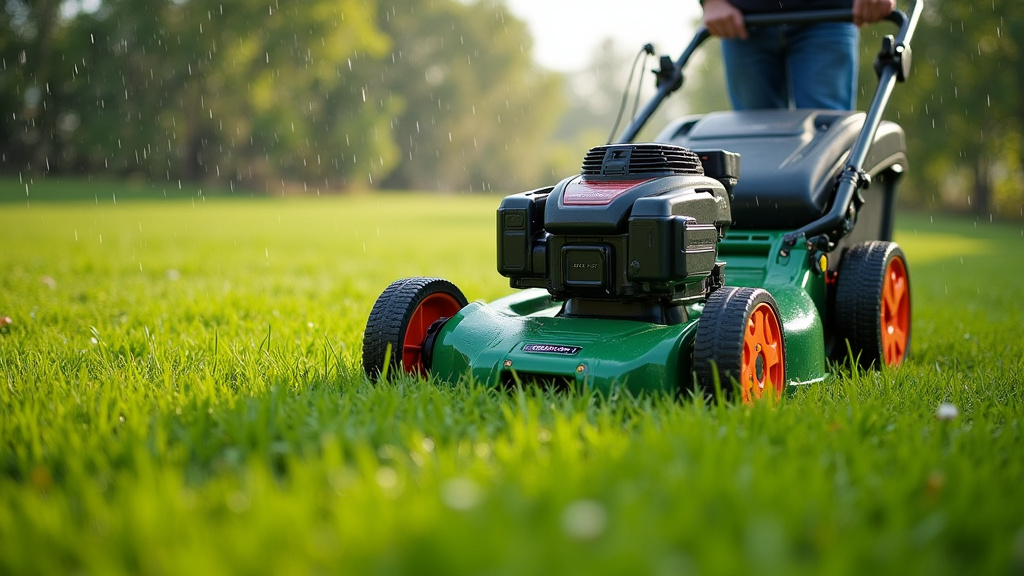
Mowing wet grass might seem like a quick fix, but our research shows it creates more problems than it solves. You risk harming your lawn, damaging your equipment, and even your own safety. The temporary convenience simply isn’t worth the long-term headaches of an uneven cut, potential diseases, and costly mower repairs.
Instead, choose the right time to mow: when your grass is completely dry. Your lawn will thank you with a healthier, more vibrant appearance, and your mower will last longer. So, pause, check for dryness, and then enjoy a genuinely productive and safe mowing experience.
Frequently Asked Questions
What happens if I accidentally mow wet grass?
If you accidentally mow wet grass, you’ll likely notice an uneven cut and clumps of clippings left on your lawn. Your mower may also struggle more, and the blades can become dull faster. It’s best to clean your mower deck immediately afterward to prevent buildup.
Can mowing wet grass spread lawn diseases?
Yes, mowing wet grass can definitely spread lawn diseases. When you tear wet grass blades, you create open wounds that are vulnerable to fungal infections. Your mower blades can also pick up disease spores from one area and deposit them throughout your lawn.
How long after rain should I wait to mow?
You should generally wait until your lawn is completely dry, which can be anywhere from a few hours to a full day after rain. Walk through your grass; if your shoes stay dry and you don’t leave wet footprints, it’s usually safe to mow.
Does wet grass make your mower rust?
Repeated exposure to moisture, especially if not cleaned, can contribute to rust on your mower’s metal parts, particularly the deck and blades. Wet clippings stuck to the deck can hold moisture against the metal, accelerating corrosion over time.
Is it okay to use a battery-powered mower on damp grass?
No, it is not okay to use any electric mower, including battery-powered ones, on damp or wet grass. Water and electricity are a dangerous combination, posing a significant risk of electric shock. Always ensure your lawn is dry before using an electric mower.
