
Can You Use a Robot Mower in the Rain?
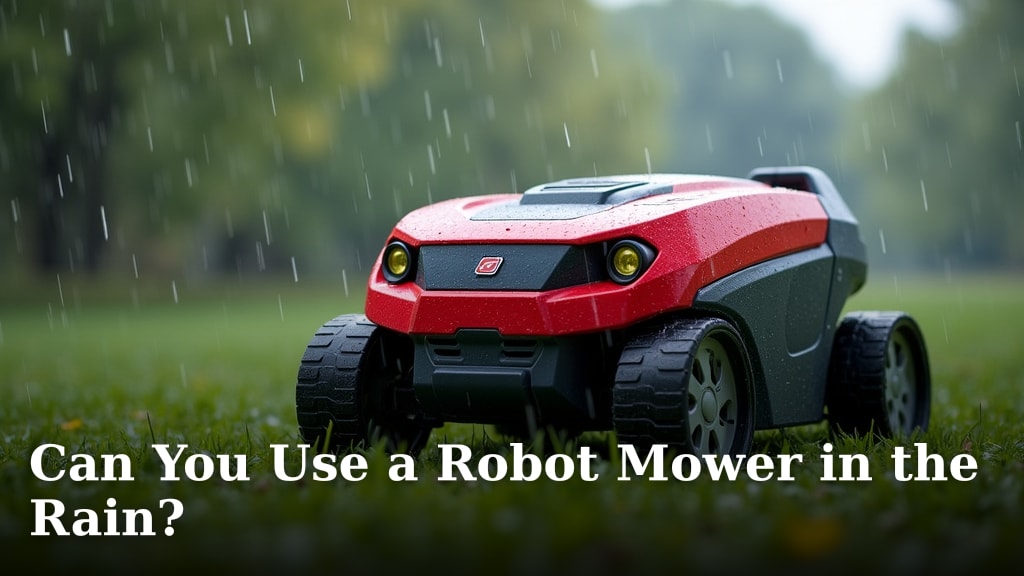
Generally, yes, you can use some robot mowers in the rain, but it’s often not recommended. Most robot mowers are designed to handle light rain thanks to their waterproof exteriors. However, heavy downpours or extended wet periods can pose risks to the mower’s electronics and your lawn’s health.
While many models boast weatherproofing, operating your robot mower in adverse conditions can lead to unexpected problems. You might encounter issues with traction on slippery grass or damage to the internal components if water gets inside. It’s wise to check your specific model’s manual to understand its rain capabilities.
- Most robot mowers can handle light rain.
- Heavy rain can damage electronics and your lawn.
- Always check your mower’s manual for specific guidance.
- Traction can be an issue on very wet grass.
So, if you’re wondering about letting your little automated lawn buddy brave the elements, let’s walk through what the research suggests about robot mowers and rainy days.
Navigating Rainy Days with Your Robot Mower
So, you’re wondering if your trusty robot mower can handle a little drizzle. It’s a common question many homeowners have! Let’s get straight to it: most robot mowers are designed to handle light rain. They typically have waterproof exteriors to protect their sensitive inner workings from getting wet. Think of them like a sturdy outdoor gadget. However, this doesn’t mean they’re invincible in a downpour.
Understanding Your Mower’s Rain Capabilities
The first and most important step is to consult your owner’s manual. Manufacturers put a lot of effort into detailing what their machines can and cannot do. Your manual will clearly state the recommended operating conditions. Some high-end models might have rain sensors that automatically send them back to their charging station. Others are built for more robust weather resistance than basic models. Always check this resource first to understand your specific mower’s limits.
Water Resistance Ratings and What They Mean
You might see an IP rating mentioned for your mower. This rating tells you how well the device is protected against solids (like dust) and liquids (like water). For example, an IPX5 rating means the mower can withstand water jets from any direction. An IPX7 rating means it can be submerged in water for a short period. While these ratings sound impressive, they don’t always translate to safe operation in a heavy thunderstorm. They usually refer to protection against splashes and accidental dips, not prolonged exposure to heavy rain.
The Role of Electronics in Wet Conditions
At its core, your robot mower is a sophisticated electronic device. Water and electricity are generally not good friends. While manufacturers use sealing and protective coatings, no electronic device is completely waterproof indefinitely, especially when exposed to the elements. Prolonged exposure to moisture can lead to corrosion over time. This can damage circuit boards, connectors, and other sensitive components. Even a small breach can allow water to seep in and cause problems down the line.
Potential Risks of Mowing in the Rain
While your mower might survive a light shower, operating it in heavier rain brings a few potential issues. These aren’t just about the mower itself, but also about your lawn’s health. Let’s break down what can go wrong.
Traction on Slippery Grass
Have you ever tried walking on wet grass? It can be surprisingly slippery! Robot mowers, like any wheeled vehicle, can struggle with traction when the ground is saturated. Their small wheels might spin or get stuck, especially on slopes or uneven terrain. This can lead to them becoming lodged in the mud or even damaging the turf by digging in. Some models have decent grip, but extreme wetness is a challenge for all of them. We’ve found that even mowers with good tread patterns can struggle when the grass is waterlogged.
Damage to the Lawn Itself
Even if your mower can handle the rain, your lawn might not appreciate it. Mowing very wet grass can cause several problems. Firstly, the mower blades can tear the grass blades rather than cutting them cleanly. This creates a ragged edge, making the grass more susceptible to disease and pests. Secondly, the mower can compact the soil. When the ground is soft and wet, the weight of the mower can press down on the soil, squeezing out air pockets. This makes it harder for grass roots to get the oxygen they need to thrive. Think of it like trying to walk through mud – you leave deep footprints!
Increased Wear and Tear
Operating any machine in conditions it wasn’t primarily designed for can lead to increased wear and tear. The motors might have to work harder to move through wet grass or over slippery surfaces. Seals and gaskets can degrade faster when constantly exposed to moisture. Over time, this can shorten the lifespan of your robot mower. It’s like driving your car through a car wash every single day, even when it’s not particularly dirty. While it might be fine for a while, it’s probably not the best long-term strategy.
When is it Generally Safe to Mow?
So, when can your little robot friend safely venture out? Generally, if the rain is light and intermittent, and the grass is not waterlogged, it’s usually okay. Many robot mowers are equipped to handle a sprinkle. The key is to assess the conditions yourself. If you wouldn’t want to walk barefoot on your lawn, it’s probably too wet for your mower.
Light Drizzle vs. Heavy Downpour
A light drizzle is often manageable. The mower’s waterproof casing should keep the internal components safe. However, a heavy downpour is a different story. Torrential rain can overwhelm even a well-sealed unit. Water might be forced into seals or openings. Additionally, the grass can become so saturated that traction becomes a major issue. It’s about observing the intensity of the rain and how long it’s expected to last. A quick shower is one thing; a steady, hour-long downpour is quite another.
Checking the Lawn’s Moisture Level
A simple way to check if your lawn is too wet is to perform the “screwdriver test.” Try pushing a screwdriver or a similar pointed object into the ground. If it goes in easily, the soil is likely soft and wet enough that your mower could cause damage or get stuck. If you have to force the screwdriver, the ground is probably firm enough to handle mowing. Many turf experts recommend avoiding mowing when the soil is saturated (NC State Extension). This applies to all types of mowers, including robotic ones.
Features That Help with Wet Weather Operation
Some robot mowers come with specific features designed to make them more capable in less-than-ideal weather. Knowing about these can help you decide if your mower is up to the task.
Rain Sensors
As mentioned, some advanced models include rain sensors. These sensors detect moisture and send a signal to the mower to return to its charging station. This is a fantastic feature that takes the guesswork out of deciding whether to mow. You don’t have to remember to bring it in; it does it automatically. If your mower has this, you can generally trust it to protect itself.
Tire Tread and Traction Control
The design of the wheels and tires plays a big role. Mowers with aggressive tread patterns or specific traction control systems are better equipped to handle slippery conditions. However, even the best tires have their limits when the ground is completely soaked. We’ve seen that wider tires can sometimes offer better weight distribution, reducing soil compaction, but they still need grip.
Making the Decision: A Simple Checklist
Deciding whether to let your robot mower mow in the rain can be tricky. Here’s a quick checklist to help you make an informed choice:
- Read your mower’s manual. Does it mention rain operation?
- Check the weather forecast. Is it a light shower or a heavy downpour?
- Assess the grass. Is it just damp, or is it waterlogged and muddy?
- Inspect your lawn. Are there puddles forming? Is the soil very soft?
- Consider your mower’s features. Does it have rain sensors or special traction?
- When in doubt, err on the side of caution. Protecting your investment is wise.
Ultimately, while many robot mowers can handle light rain, it’s often best to let them rest when the weather gets truly unpleasant. Your lawn and your mower will likely thank you for it in the long run.
Conclusion
So, can you let your robot mower brave the rain? While most models can handle a light sprinkle, it’s generally best to err on the side of caution. Heavy downpours can risk damage to your mower’s electronics and can harm your lawn’s health by tearing grass or compacting wet soil. Always check your mower’s manual for specific recommendations. For peace of mind and to protect your investment, schedule your mower’s rest for those truly wet days. The next time a rainy spell hits, take a moment to assess your lawn’s moisture level before deciding if your mower needs a break.
Frequently Asked Questions
Can my robot mower get damaged if it mows in heavy rain?
Yes, operating your robot mower in heavy rain can potentially damage its electronics. While many are weather-resistant, prolonged exposure or water ingress through seals can lead to corrosion over time. It’s wise to keep it dry during severe downpours to protect your investment.
Will mowing wet grass hurt my lawn?
Mowing very wet grass can indeed harm your lawn. The mower blades can tear grass blades instead of cutting them cleanly, making them vulnerable to disease. Also, the mower’s weight can compact the saturated soil, hindering root growth.
How do I know if my lawn is too wet to mow?
A good test is to try pushing a screwdriver into the ground. If it goes in easily, your lawn is likely too wet and could be damaged or cause your mower to get stuck. If you have to force the screwdriver, the soil is probably firm enough.
What are “IP ratings” and do they mean my mower is fully waterproof?
IP ratings indicate a device’s protection against solids and liquids. For example, IPX5 means protection against water jets. While helpful, these ratings usually cover splashes and brief exposure, not necessarily safe operation in prolonged, heavy rain.
If my robot mower has rain sensors, can I leave it out in any weather?
If your mower has functional rain sensors, you can generally trust it to return to its charging station during wet conditions. However, it’s still a good idea to periodically check the mower and its sensors to ensure they are clean and working correctly, especially after very heavy storms.
