
Can You Use a String Trimmer as an Edger?
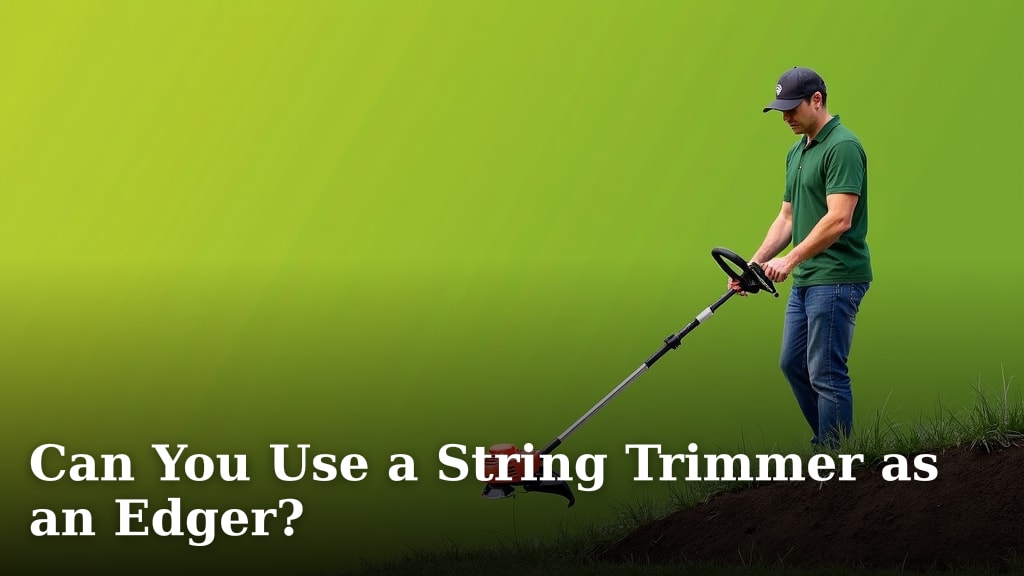
Yes, you can use a string trimmer as an edger, but it’s not always the best tool for the job. While a string trimmer can create a defined edge, it often results in a messy cut. For a cleaner finish, a dedicated edger is usually recommended.
Many homeowners wonder if their trusty string trimmer can double as an edger. We found that while it’s possible, achieving professional-looking results can be challenging. You might end up with a less precise line than you’d like, and it can be more time-consuming.
- String trimmers *can* edge, but results vary.
- Dedicated edgers offer cleaner, more precise lines.
- Trimmer edging can be messier and slower.
- Consider your desired finish before deciding.
Let’s look at how using your string trimmer for edging works and what you should expect. We’ll break down the pros and cons.
Trimming Your Edges: Can a String Trimmer Do the Job?
You’re standing in your yard, looking at those unruly edges. You grab your string trimmer, thinking, “Can this do the job?” The short answer is yes, you can use a string trimmer to create an edge. But before you dive in, let’s chat about what that really means for your lawn and garden.
We’ve looked into this, and many homeowners find that while a string trimmer can make an edge, it’s often a compromise. It’s like trying to use a butter knife to cut a steak – it can sort of work, but it’s not ideal. You might get a line, but it might not be the crisp, clean one you see in magazines.
How to Use a String Trimmer for Edging
Using your string trimmer as an edger is all about technique. It’s not what the tool is primarily designed for, but with a little effort, you can achieve a decent result. Think of it as using a tool for a secondary purpose – it can work, but you need to know how.
Getting the Right Angle
The key here is the angle of the trimmer. You’ll want to hold the trimmer head so that the string is running vertically, perpendicular to the ground. This is different from trimming grass, where the head is usually parallel to the ground.
You need to get the trimmer line to skim along the edge of your lawn, sidewalk, or flower bed. It’s a bit like using a knife to carefully shave off the excess. The goal is to create a clean, defined line between two different surfaces.
Adjusting Your Grip and Stance
Your usual stance for trimming grass won’t work for edging. You’ll need to adjust your grip to control the trimmer head more precisely. Many people find it helpful to tilt the trimmer unit so the cutting head is nearly upright.
A stable stance is also important. You want to be able to move smoothly along the edge without wobbling. Plant your feet firmly. This will help you maintain a consistent distance from the surface you’re edging against, whether that’s a concrete sidewalk or a garden bed.
Controlling the Speed and Depth
It’s tempting to rev up the engine and go fast. But for edging, slow and steady wins the race. Too much speed can cause the trimmer string to bounce around, creating a jagged, uneven edge. It can also kick up a lot of debris.
You also need to control how deep the string cuts. You’re not trying to dig a trench! A light touch is best. Let the spinning string do the work. We found that excessive force often leads to a messier cut and can even damage the trimmer head or the surface you’re edging against.
Dealing with Debris and Safety
This is where things can get a bit messy. When you use a string trimmer for edging, you’re essentially whipping the grass and soil around. Expect a fair amount of flying debris. This means you need to wear safety glasses or a face shield. Long pants and sturdy shoes are also a good idea.
We found that edging along concrete or asphalt can send small pebbles and dirt flying. Be mindful of windows, cars, and any delicate plants nearby. It’s also a good idea to do this job before you water your lawn, as a wet surface can make the mess even worse.
The Results: What Kind of Edge Can You Expect?
Let’s be honest about the outcome. Using a string trimmer for edging often results in a less precise line than you might get with a dedicated tool. It’s more like a rough cut than a finely manicured edge.
You might see some frayed grass blades and uneven spots. It can work in a pinch, but if you’re aiming for that perfectly crisp edge, you might be a little disappointed. We’ve seen many lawns where the trimmer-edged areas looked good from a distance but showed their imperfections up close.
Pros of Using a String Trimmer for Edging
So, why would you even consider it? Well, there are a few advantages:
- Convenience: You probably already own a string trimmer. Buying another tool might not be in your budget or storage space.
- Speed for Minor Touch-ups: For a quick fix or a small area, it can be faster than dragging out a heavier tool.
- Accessibility: It can reach into tighter spots than some bulkier edgers.
We found that for homeowners who only need to do a few feet of edging occasionally, a string trimmer can be a perfectly acceptable solution. It’s all about managing your expectations and your approach.
Cons of Using a String Trimmer for Edging
Now for the not-so-great parts:
- Messy Cut: As we mentioned, the edge isn’t usually as clean. It can leave a ragged appearance.
- Uneven Lines: It’s hard to maintain a perfectly straight, consistent depth.
- More Time-Consuming: Getting a decent result can take longer because you have to go slower and often make multiple passes.
- String Wear: You’ll go through trimmer line faster when edging, as it’s a more abrasive task.
- Potential for Damage: You can accidentally nick the side of your house, a fence post, or a tree trunk if you’re not careful.
Many users report that the constant fiddling and careful maneuvering required makes it more tiring than they expected. It’s a delicate balancing act.
When is a String Trimmer NOT Enough?
If you have very specific landscaping goals, a string trimmer might not cut it. For instance, if you want that perfectly sharp, squared-off edge that separates your lawn from a flower bed with a distinct line, a trimmer will struggle.
It’s also not the best choice if you have a large property or many edges to maintain. The time and effort involved can quickly become overwhelming. For those situations, investing in a dedicated edger pays off.
Dedicated Edgers: The Professional Choice
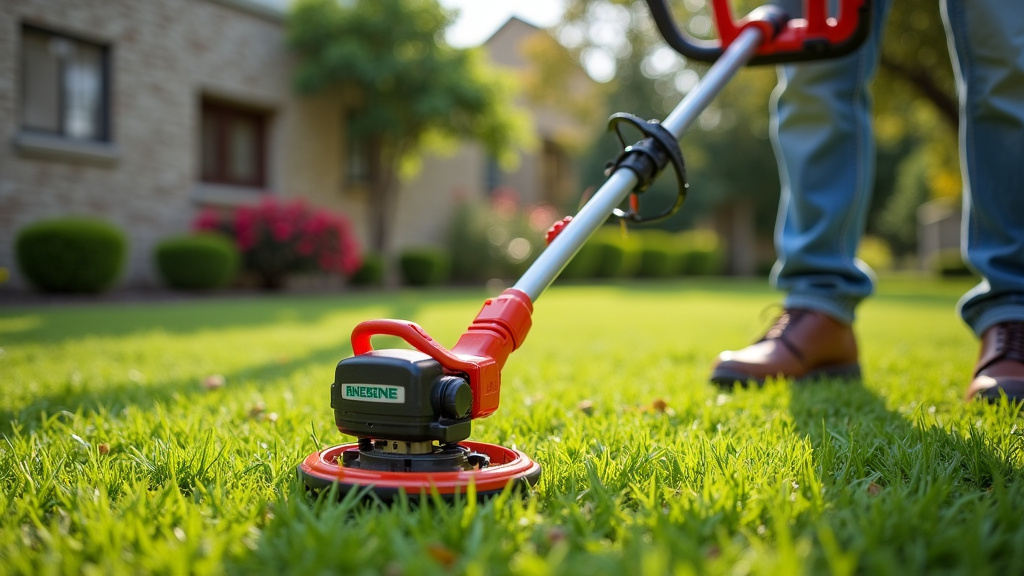
A dedicated lawn edger is designed specifically for creating crisp, clean lines. There are a few types:
Electric and Battery-Powered Edgers
These are often lighter and easier to handle than gas models. They’re great for most residential use. They typically have a blade that spins vertically, much like a small circular saw, to create a clean cut.
We found these to be a good balance of power and ease of use. They generally provide a much cleaner edge than a string trimmer. You can usually adjust the depth of the cut for more control.
Gas-Powered Edgers
These are the workhorses. They offer the most power and are best for larger properties or very tough edging jobs. They can handle thick turf and overgrown areas with ease.
However, they are also the heaviest and require more maintenance. For the average homeowner, they might be overkill. But if you have extensive edging needs, a gas edger can be a lifesaver.
Comparing Tools: Trimmer vs. Edger
To help you visualize the difference, let’s look at a quick comparison:
| Feature | String Trimmer (used as edger) | Dedicated Edger |
|---|---|---|
| Edge Quality | Fair to Good (can be ragged) | Excellent (clean, crisp lines) |
| Ease of Use | Moderate (requires careful technique) | Good to Excellent (designed for the task) |
| Speed | Slower for precise results | Faster, more efficient |
| Debris | High (grass, dirt, pebbles) | Moderate (mostly grass and soil) |
| Cost | Potentially none (if already owned) | Varies ($50 – $300+) |
| Best For | Quick touch-ups, small areas, budget-conscious | Aesthetics, large areas, consistent results |
As you can see, while a string trimmer can perform the task, a dedicated edger is built for it and will generally give you superior results with less frustration. Many users find the investment worthwhile for the improved curb appeal.
Checklist: Should You Use Your String Trimmer for Edging?
Here’s a quick way to decide if using your string trimmer is the right move for your current edging needs:
- Do you need a perfectly sharp edge, or is a general definition okay?
- How much edging do you have to do? A few feet or miles?
- Are you on a tight budget and can’t afford a new tool right now?
- Are you prepared for a messier job and potentially more time spent?
- Is curb appeal a top priority for your yard?
- Do you have the correct safety gear ready to go?
Answering these questions will help you gauge whether your trusty trimmer is up to the task, or if it’s time to consider a specialized tool for that beautiful, clean lawn edge you’ve been dreaming of.
Conclusion
So, can you use your string trimmer as an edger? Yes, but understand it’s a compromise. You can achieve a defined line, but it likely won’t be the crisp, professional finish a dedicated edger provides. We’ve found that for quick touch-ups or if you’re on a budget, your trimmer can certainly do the job. However, if you desire sharp, clean edges and efficient lawn care, investing in a specialized edger is usually the better path. Before you start, consider the quality of edge you want and the time you’re willing to spend. Then, make the choice that best suits your yard and your vision for its curb appeal.
Frequently Asked Questions
How do I avoid making a mess when edging with a string trimmer?
While some mess is inevitable, you can minimize it by using a slower speed and a lighter touch. Holding the trimmer at a precise vertical angle helps control the debris. We also found that edging before watering your lawn can reduce flying mud.
Will using a string trimmer wear out the line faster than normal trimming?
Yes, absolutely. Edging is a much more abrasive task than simply cutting grass. The string constantly scrapes against hard surfaces like concrete or soil, causing it to wear down and break more quickly. You’ll likely go through trimmer line at a higher rate.
Can I get a perfectly sharp edge with a string trimmer?
Achieving a perfectly sharp, clean edge with a string trimmer is very difficult. The flexible line tends to create a more ragged or rounded edge compared to the clean cut a blade provides on a dedicated edger. We’ve found that the results are often good from a distance but imperfect up close.
What kind of safety gear do I need when edging with a string trimmer?
You’ll definitely want to wear safety glasses or a full face shield to protect your eyes from flying debris like dirt, pebbles, and grass clippings. Long pants and closed-toe shoes are also recommended for protection against any stray materials.
Is it better to use an electric or gas-powered edger if I want clean lines?
Both electric/battery and gas-powered edgers are designed to create clean lines. Generally, gas edgers offer more power for tough jobs and larger areas, while electric or battery models are lighter and easier to maneuver for most residential needs. We’ve seen that both provide a superior edge quality to a string trimmer.
