
How To Mow Around Trees And Edges Lawn Care?
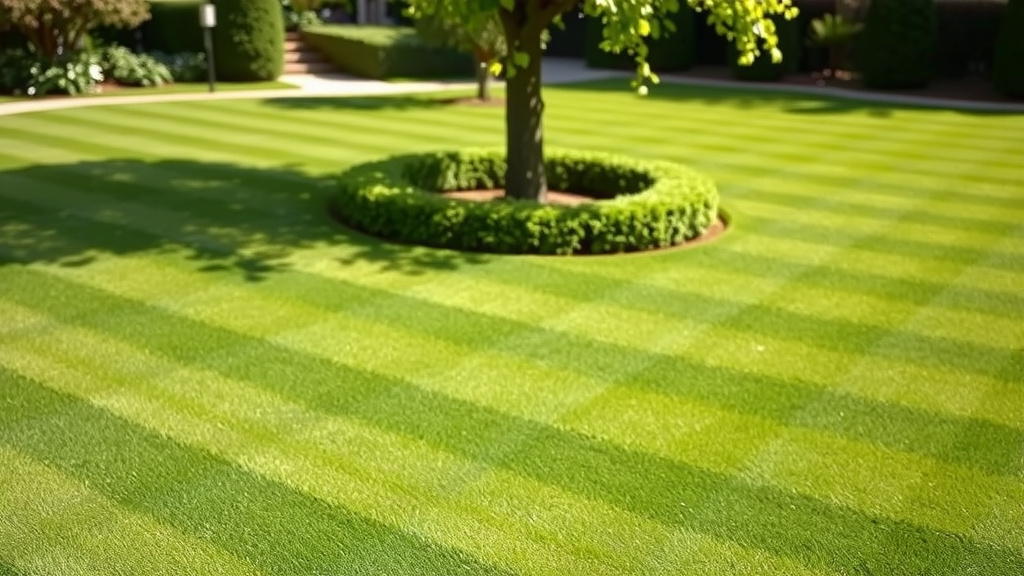
To mow around trees and edges effectively for optimal lawn care, start by using a string trimmer to precisely cut grass close to obstacles, then follow with your lawn mower to achieve a consistent, blended appearance. This two-step method prevents damage to your trees and creates clean lines along garden beds and walkways.
Always maintain a safe distance from tree trunks and delicate plantings, employing wider turns and proper equipment handling to protect both your landscape and your machinery.
Here’s a quick overview of what you’ll discover in this guide to achieve a perfectly manicured yard:
- Master the art of pre-trimming around all your obstacles.
- Learn effective mowing patterns for tricky areas.
- Choose the right tools for precision and safety.
- Discover how to maintain equipment for best results.
- Ensure your trees and plants stay healthy and undamaged.
How To Mow Around Trees And Edges Lawn Care?
Mowing around trees and edges in lawn care means using a two-step process: precise trimming first, then careful mowing. It helps you get a clean, professional look without hurting your plants or equipment.
Why Trimming First Is A Game-Changer
Imagine trying to paint a room without taping the edges. Messy, right? The same goes for your lawn. We found that using a string trimmer, or weed wacker, before you even bring out the mower makes a huge difference. This simple step lets you get into those tight spots where your mower just can’t reach.
This approach saves you time and frustration. It also prevents those ugly scalping marks near your garden beds or tree roots. You’re setting yourself up for success right from the start.
Choosing The Right Tools For The Job
Having the correct equipment is half the battle. You’ll need a reliable string trimmer and, of course, your lawn mower. But let’s break down what to look for in each.
Your String Trimmer Arsenal
For edges and around trees, a good string trimmer is your best friend. Look for models with an adjustable head if you can. This allows for better angles around tricky spots. Many experts say a battery-powered trimmer offers great maneuverability without the hassle of cords (Consumer Reports).
Mower Types: What Works Best?
When it comes to your lawn mower, consider its size and turning radius. A smaller, more agile walk-behind mower might be better for yards with lots of obstacles. If you have a larger yard, a zero-turn mower offers incredible precision around trees once you get the hang of it.
Prepping The Area Around Trees And Edges
Before any cutting begins, a little preparation goes a long way. This is where you protect your precious plants and make your job easier.
Clearing Debris Is Crucial
Walk your lawn first. Pick up any sticks, toys, or rocks. These items can become dangerous projectiles or damage your blades. A clear path is a safe path.
Defining Your Edges
Do you have clear hardscape edges, like concrete paths or paver patios? Or are your edges simply where the lawn meets a garden bed? Knowing your boundaries helps you decide on the best trimming technique.
The Art Of Trimming Around Trees
Trees are vital to your landscape, so protecting them is paramount. Trimmers can easily damage bark, opening the tree up to disease. We found that a buffer zone is your best defense.
Creating A Buffer Zone
Many homeowners choose to create a mulch ring around trees. This not only looks neat but also provides a clear no-mow zone. It stops grass from growing right up to the trunk. Research shows mulch helps retain soil moisture too (USDA).
Trimmer Technique Near Trunks
If you must trim near a tree trunk, keep the trimmer line parallel to the ground. Never angle it to hit the bark directly. Keep a slight distance, allowing the tips of the grass blades to be cut without touching the tree itself. Think of it like a barber giving a precise haircut.
Trimming Along Garden Beds And Walkways
Achieving crisp, clean edges here makes your whole lawn pop. It’s like putting a frame around a beautiful painting.
Edging Along Hard Surfaces
When trimming along concrete or asphalt, hold your trimmer at a slight angle. This allows the string to cut vertically, creating a sharp line. Walk slowly and steadily for the best results. A small wheel attachment on some trimmers can help guide you.
Soft Edges: Garden Beds
For garden beds without a hard border, aim to create a clean visual break. We found that maintaining a consistent height along the edge is key. Avoid digging too deep into the garden soil, as this can disturb plant roots.
Mowing Techniques For Challenging Areas
Once you’ve pre-trimmed, it’s time to mow. The goal is to blend your trimmed areas seamlessly with the rest of the lawn.
Mowing Around Trees
Approach trees with wide, gradual turns. Don’t try to make sharp, tight circles. You risk hitting the tree or getting your mower stuck. Always keep the discharge chute pointed away from the tree to avoid blowing clippings onto the trunk or into mulch beds.
Mowing Along Edges
After trimming, mow parallel to your edges. Overlap your wheel slightly with the previously mowed strip. This ensures a uniform cut. Imagine you’re drawing a straight line with a ruler – smooth and even.
Common Mistakes To Avoid
Even seasoned lawn care enthusiasts make mistakes. Learning from them means you can avoid unnecessary headaches.
| Common Mistake | Impact | Solution |
|---|---|---|
| Hitting tree trunks with trimmer | Damages bark, invites disease | Use a mulch ring; trim carefully at a distance |
| Scalping edges with mower | Ugly brown patches, weakens grass | Pre-trim; adjust mower height; use gradual turns |
| Mowing too fast around obstacles | Poor cut quality, potential accidents | Slow down, take your time, be deliberate |
| Dull mower blades | Tears grass, causes browning | Sharpen blades regularly (every 25 hours of use) |
Maintenance For Peak Performance
Your tools are only as good as their upkeep. Regular maintenance keeps everything running smoothly and safely.
- Clean Blades After Each Use: Grass buildup affects cutting quality.
- Check Trimmer Line: Replace worn line promptly for efficient cutting.
- Inspect Equipment: Look for loose screws or damaged parts regularly.
- Sharpen Mower Blades: Dull blades tear grass, inviting disease (University of Georgia Extension).
- Store Properly: Keep tools clean and dry to prevent rust and extend their lifespan.
A Checklist for Perfectly Manicured Edges and Trees
Here’s a quick reminder of the key steps for a flawless finish:
- Clear all debris from your lawn.
- Put on your safety glasses and protective gear.
- Trim around trees and all edges first.
- Adjust your mower height for the main lawn.
- Mow in wide, gentle arcs near obstacles.
- Overlap your mower passes for an even look.
Conclusion
Mowing around trees and edges doesn’t have to be a chore; it can be a rewarding part of your lawn care routine. By adopting the two-step approach – trimming first, then mowing – you’ll achieve those crisp lines and healthy surroundings you desire. Remember, patience and the right technique are your best allies. Your lawn will thank you with its vibrant, professional appearance, making your yard the envy of the neighborhood.
How close should I mow to a tree?
You should never mow directly against a tree trunk. Always leave a buffer zone of at least a few inches, or better yet, create a mulch ring around the tree. Direct contact with a mower or trimmer can damage the bark, making the tree vulnerable to pests and diseases.
Is it better to mow or trim first?
It is generally better to trim first. Trimming allows you to get into tight spots around trees and edges with precision. Then, when you use your mower, you can simply focus on the main lawn area and blend everything together for a uniform look without needing to get the mower into awkward, damaging positions.
What tools do I need for perfect lawn edges?
For perfect lawn edges, your primary tools will be a string trimmer (also known as a weed wacker or weed eater) and your lawn mower. An edger tool can also be used for very sharp, vertical cuts along driveways and walkways, giving a highly defined border.
How do I prevent scalping when mowing around obstacles?
To prevent scalping, ensure your mower blades are sharp and set to an appropriate height for your grass type. When approaching obstacles, slow down and make wider, more gradual turns. Trimming first also helps prevent scalping by allowing the mower to pass over already-cut shorter grass, rather than trying to cut tall grass in a tight spot.
Can I use a riding mower around small trees?
You can use a riding mower around small trees, but you need to be very cautious. Riding mowers, especially larger ones, have a wider turning radius. It’s important to make very wide turns and keep a generous distance from the tree trunk. For very small trees or tight spaces, a walk-behind mower or a string trimmer might be a safer and more precise option to avoid any accidental damage.
