
What Equipment Do You Need to Start a Lawn Care Business?
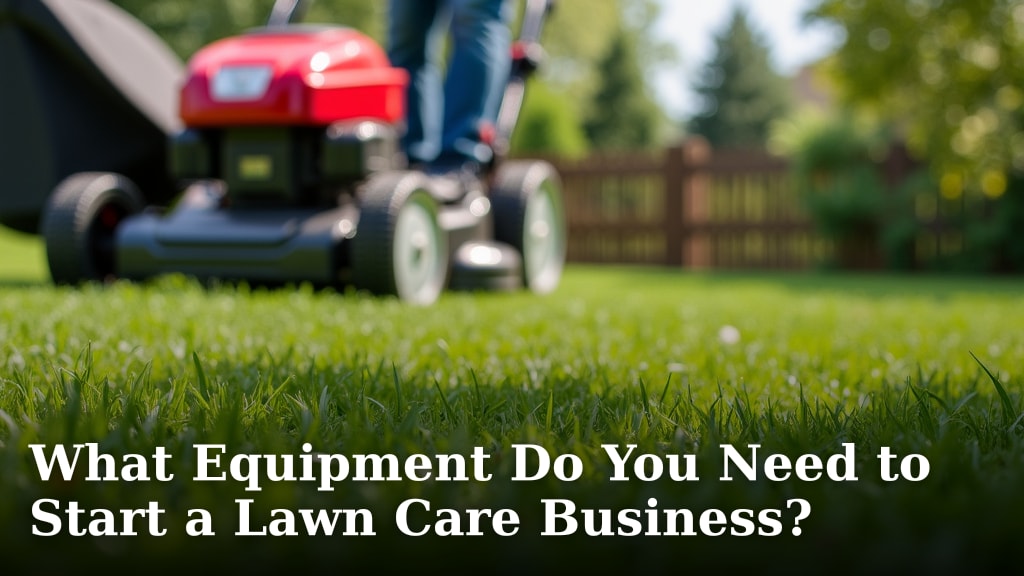
To start a lawn care business, you’ll need essential equipment like a reliable mower, trimmer, edger, blower, and safety gear. You also need transportation to move your gear. Having the right tools ensures you can efficiently serve your clients and make a great first impression. This setup lets you tackle common lawn tasks professionally. Learn what mower professional landscapers use for their daily operations.
Beyond the basics, consider what services you want to offer. Expanding into mulching or fertilization means additional tools. Many successful lawn care businesses begin with a core set of equipment. They then invest in more specialized items as they grow. Careful planning helps manage your initial equipment costs effectively.
- Reliable mower
- String trimmer
- Edger
- Leaf blower
- Safety glasses and gloves
- Transportation (truck or trailer)
Ready to get your hands dirty? Let’s walk through the specific equipment you should gather to launch your lawn care venture.
“`htmlStocking Up: Essential Gear for Your Lawn Care Startup
Starting a lawn care business means gathering the right tools. You need equipment that handles the tough jobs. This ensures you get the work done efficiently. It also helps you present a professional image to clients. Let’s break down what you should look for first.
The Mighty Mower: Your Most Important Investment
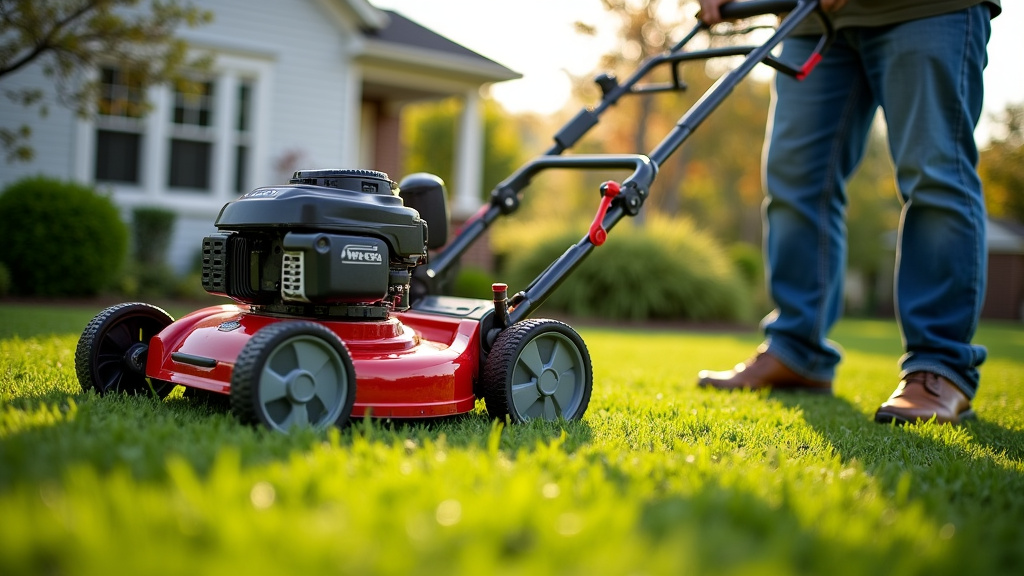
A reliable mower is the backbone of your operation. You’ll be using it a lot. Look for a model that’s built for commercial use. These mowers are more durable. They can handle daily mowing for many hours.
Walk-Behind vs. Riding Mowers
For many new businesses, a commercial-grade walk-behind mower is a smart start. They are generally less expensive than riding mowers. They are also easier to maneuver in tighter spaces. Many experts suggest starting with a 21-inch or 30-inch deck. This size is versatile for most residential lawns.
If you plan to tackle larger properties from the get-go, consider a zero-turn riding mower. These machines are faster. They offer excellent maneuverability around obstacles. They can significantly reduce your mowing time on bigger jobs.
Key Mower Features to Consider
When shopping, check for a heavy-duty engine. Look for deck construction that’s robust, often fabricated steel. Easy height adjustment is also important. You’ll be changing it often between different properties and grass types. And don’t forget about ease of maintenance. You want to be able to service it yourself or have it readily repaired.
Trimming and Edging: The Details Matter
After mowing, you need to clean up the edges. This makes a lawn look truly finished. You’ll need a good string trimmer and an edger.
The String Trimmer (Weed Eater)
A powerful string trimmer is essential for cutting grass in tight spots. Look for one with a commercial-grade engine. These are more reliable and last longer under heavy use. Corded trimmers are usually lighter but limit your range. Battery-powered options are convenient and getting more powerful. However, gas-powered trimmers often offer the most power and run time for a full day’s work.
Consider the weight and balance of the trimmer. You’ll be holding it for extended periods. An adjustable handle can help reduce fatigue. Ensure it can handle thicker weeds, not just grass.
The Edger: Crisp Lines for a Professional Finish
While a string trimmer can do some edging, a dedicated bed edger creates cleaner lines. These machines have a blade that cuts a precise edge along driveways, sidewalks, and garden beds. This detail makes a huge difference in how manicured a lawn looks. Many lawn care professionals say this is a key differentiator.
For a startup, a good quality stick edger can be sufficient. They are lighter and easier to store than wheeled models. Ensure the blade is sharp and easily replaceable.
Clearing the Way: Leaf Blowers and Debris Removal
Keeping properties clean is a big part of the job. You’ll need a way to move leaves, grass clippings, and other debris.
Choosing the Right Leaf Blower
A powerful leaf blower is a must-have. For professional use, a backpack blower is often the best choice. They offer more power and air volume than handheld models. They also distribute weight more evenly, reducing strain on your back and shoulders. Look for models with comfortable harness systems.
Consider the cubic feet per minute (CFM) rating. Higher CFM means more air volume, which is great for moving large amounts of debris quickly. Also, check the air speed. Higher speeds can help dislodge stubborn leaves.
Other Clearing Tools
Don’t forget basic tools for debris. Sturdy rakes are useful for gathering leaves. You’ll also need heavy-duty trash cans or bags to collect clippings and debris. Having a tarp can help you move piles of leaves efficiently to your collection point.
Transporting Your Gear: Getting From A to B
You can have the best equipment, but it’s useless if you can’t get it to your job sites. Reliable transportation is a non-negotiable item.
Trucks and Trailers: The Power Duo
A pickup truck is often the go-to vehicle for lawn care professionals. It provides space for mowers, trimmers, and blowers. You can also strap down equipment securely. For larger operations or when carrying more gear, a utility trailer is essential.
When choosing a trailer, consider its weight capacity. Ensure it can safely carry all your equipment plus any fuel or materials. A trailer with a ramp makes loading and unloading much easier. Some businesses start with a smaller truck and a trailer and upgrade as they grow.
Securing Your Equipment
Safety extends to transport. You need to make sure your gear doesn’t shift or fall out. Ratchet straps are very useful for securing mowers and other equipment to the truck bed or trailer. This prevents damage to your tools and keeps everyone on the road safe. Many experts recommend investing in good quality straps.
Safety First: Protecting Yourself on the Job
Your health and safety are paramount. You can’t run a business if you’re injured. Always wear appropriate safety gear.
Essential Personal Protective Equipment (PPE)
You absolutely need safety glasses or goggles. These protect your eyes from flying debris. Hearing protection, like earplugs or earmuffs, is vital when using loud machinery like mowers and blowers. Research indicates prolonged exposure to loud noise can cause permanent hearing damage (CDC).
Good work gloves protect your hands from cuts, blisters, and chemicals. Sturdy, closed-toe work boots are also a must for foot protection and good traction. Long pants and shirts protect your skin from sun and scrapes.
First-Aid Basics
It’s also wise to have a basic first-aid kit readily accessible in your truck or trailer. This can help you deal with minor cuts or scrapes quickly until you can get proper medical attention if needed. Staying prepared means fewer disruptions to your workday.
The Startup Checklist: Your Essential Gear Guide
Here’s a quick rundown to help you get started:
- Commercial-grade walk-behind or zero-turn mower
- Commercial-grade string trimmer
- Dedicated bed edger
- Backpack leaf blower
- Heavy-duty rakes and tarps
- Pickup truck or van, potentially with a trailer
- Ratchet straps for securing equipment
- Safety glasses, hearing protection, and gloves
- Work boots and durable clothing
- Basic first-aid kit
Beyond the Basics: Tools for Growth
As your business grows, you might consider adding more specialized equipment. This could include aerators, dethatchers, spreaders for fertilizer, or even snow blowers for winter services. Don’t feel like you need everything on day one. Start with the core items that allow you to offer reliable mowing and trimming services. You can always expand your equipment inventory as your client base and revenue increase. Happy mowing!
“`Conclusion
Getting your lawn care business off the ground starts with the right equipment. You’ve learned about the essential tools, from a reliable mower and trimmer to the vital safety gear and transportation needed. Remember, you don’t need every single item on day one. Focus on the core equipment that allows you to perform your primary services efficiently and professionally. As your client base grows, you can strategically invest in more specialized tools. Your next step is to assess your budget and start acquiring these foundational pieces to launch your venture!
Frequently Asked Questions
What’s the minimum equipment I need to start a lawn care business?
The absolute minimum includes a commercial-grade mower, a string trimmer, basic safety gear like glasses and gloves, and a way to transport your equipment. This setup allows you to handle the core mowing and trimming tasks for residential clients.
Should I buy new or used equipment for my startup?
Buying used commercial-grade equipment can save you a lot on initial costs. Just ensure it’s been well-maintained and is still reliable. For critical items like safety gear, it’s often best to buy new.
How much should I budget for initial equipment?
Startup equipment costs can range significantly, but a realistic budget for a basic setup might be between $3,000 and $10,000 or more, depending on whether you buy new or used and the types of mowers you select.
Is a backpack blower better than a handheld one for a business?
Yes, a backpack blower is generally recommended for professional use. They offer more power, better air volume, and are designed for extended use, reducing operator fatigue compared to handheld models.
Do I need a trailer from the start, or can a truck work?
Many businesses start with just a pickup truck capable of hauling their mower and trimmers. A trailer becomes essential as you add more equipment or take on larger properties, making loading and unloading more efficient.
