
How to Start a Chainsaw?
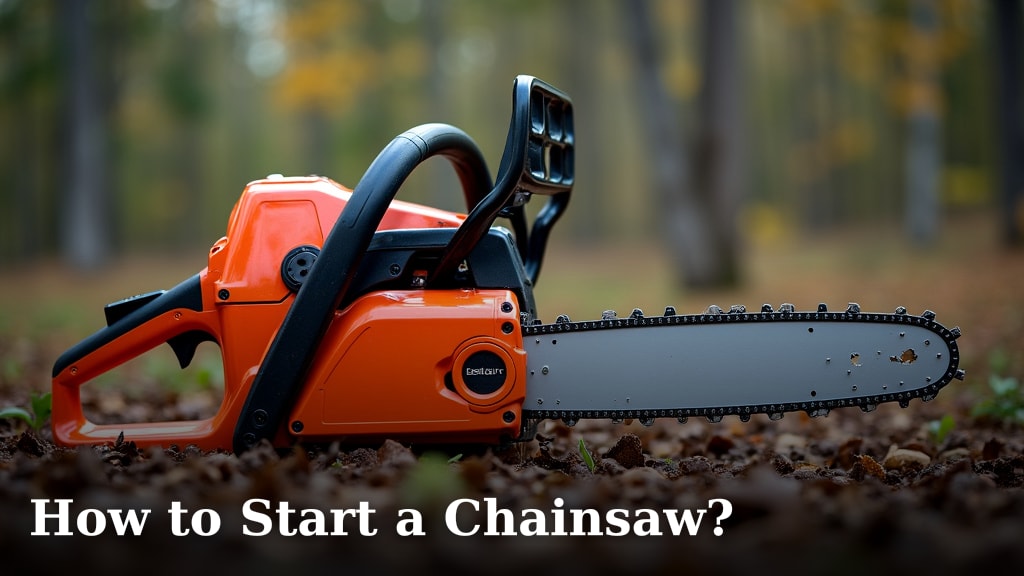
Starting a chainsaw might seem intimidating, but it’s a straightforward process when you follow the right steps. The key is to ensure your chainsaw is properly fueled, the chain brake is engaged, and you’re using the correct starting technique. We found that a little preparation makes a huge difference in getting your saw running smoothly and safely.
Before you even pull the starter cord, it’s vital to set up your chainsaw correctly. This includes checking the fuel and oil levels and making sure the chain brake is firmly in place. Many common starting issues can be avoided by paying close attention to these initial setup steps.
- Ensure proper fuel and oil mix.
- Engage the chain brake before starting.
- Position the saw securely on the ground.
- Follow the choke and throttle sequence.
- Be ready for the chain to spin.
Let’s walk through exactly how to start your chainsaw, step by step, to get you ready for whatever cutting tasks you have ahead. If you’re new to chainsaws, our guide to the best chainsaw for beginners can help you choose the right tool.
Getting Your Chainsaw Fired Up Safely
Starting a chainsaw correctly is your first line of defense against accidents. You want to make sure it’s ready to go without any surprises. We found that taking a moment to prepare makes all the difference. This guide will help you get your saw running smoothly and safely, every time.
Essential Pre-Start Checks
Before you even think about pulling that cord, a few quick checks are absolutely necessary. These aren’t optional steps; they’re vital for your safety and the life of your saw. Think of them like buckling your seatbelt before a drive.
Fuel and Oil: The Lifeblood of Your Saw
Your chainsaw runs on a specific mix of gasoline and two-stroke oil. This isn’t just any oil; it’s designed to lubricate the engine and the chain as they spin at high speeds. Always use the mix recommended by your chainsaw’s manufacturer. Using the wrong mix can cause serious engine damage. Many experts suggest a 50:1 ratio for modern engines, but always double-check your manual.
Beyond the fuel mix, check your chain oil reservoir. This oil lubricates the chain and bar as you cut. If it’s empty, your chain can overheat and seize up. You’ll usually see a clear window to check the oil level. Keep it topped off for optimal performance and to prevent wear and tear.
The Chain Brake: Your Safety Savior
The chain brake is the most important safety feature on your chainsaw. It stops the chain from spinning almost instantly. When starting, you **must engage the chain brake**. This usually involves pushing the orange handle forward towards the bar. This prevents the chain from moving unexpectedly when the engine first fires up. We found that many accidents happen because this step was skipped.
Checking the Chain Tension
A chain that’s too loose can jump off the bar, which is incredibly dangerous. Too tight, and it won’t cut well and can cause excessive wear. You want just a little slack. You should be able to pull the chain around the bar by hand (with gloves on, of course!). It should feel snug but still move. When you pull the chain down away from the bar, the drive links should stay engaged on the bar. If it sags or falls off, adjust it according to your owner’s manual.
Your Chainsaw Starting Technique Guide
Now that your saw is prepped, it’s time to get it running. There are a couple of common methods, depending on your chainsaw’s features. We’ll cover the most standard ways to get that engine roaring.
The “Cold Start” Method: For a Chilly Engine
When your chainsaw is completely cold (hasn’t been run for a while), you’ll typically use the choke. This enriches the fuel mixture for easier starting.
Step 1: Position Your Saw
Find a flat, stable surface. Clear away any debris like leaves or twigs from the starting area. Place the chainsaw firmly on the ground. Ensure the chain brake is still engaged. Your left hand should grip the front handle, and your right foot should be on the rear handle to keep the saw secure. This grip is sometimes called the “ground start” method.
Step 2: Engage the Choke
Locate the choke lever. On many saws, it has three positions: closed (full choke), half-choke, and open (no choke). For a cold start, move the choke to the **full choke position**. This is usually the furthest position towards the front of the saw.
Step 3: Set the Throttle Lock (If Applicable)
Some chainsaws have a throttle lock or a fast idle setting. This often works in conjunction with the choke. When the choke is engaged, the fast idle will be active, providing a slightly higher engine speed. This helps the engine run without stalling when it first starts. Consult your manual for how this works on your specific model.
Step 4: Pull the Starter Cord
While firmly holding the saw as described, give the starter cord a firm, steady pull. You’re not yanking it with all your might. Aim for a smooth, strong pull. You should hear the engine sputter or try to start. Don’t keep pulling excessively if it doesn’t catch.
Step 5: Adjust the Choke
Once you hear the engine sputter, it’s time to adjust the choke. Move the choke lever to the **half-choke position**. This slightly leans out the fuel mixture. Pull the starter cord again. The engine should now start and run, though it might sound a bit rough. If it stalls, you might need to go back to full choke or adjust the throttle lock.
Step 6: Disengage the Choke and Idle
As soon as the engine is running steadily, move the choke lever to the fully open (no choke) position. The engine should now idle smoothly. If it sounds like it’s struggling or dying, you may need to briefly re-engage half-choke or adjust the idle speed screw (refer to your manual). Let the engine warm up for about 30 seconds to a minute.
The “Warm Start” Method: When the Engine is Already Warm
If your chainsaw has been running recently and is just warm, you’ll usually skip the full choke. This prevents flooding the engine.
Step 1: Position Your Saw
Same as before: flat, stable surface, clear of debris, chain brake engaged. Secure the saw with your left hand on the front handle and your right foot on the rear handle.
Step 2: Engage Half-Choke (Usually)
For a warm start, you’ll typically only need to engage the choke halfway. Some manuals might suggest no choke if the engine is very warm, but half-choke is a safe bet. Check your manual to be sure.
Step 3: Pull the Starter Cord
Pull the starter cord firmly and steadily. The engine should start up more readily than with a cold start. The fast idle may engage here too, if your saw has that feature.
Step 4: Disengage Choke and Idle
Once the engine fires up, immediately move the choke to the **open position**. Let the engine idle for a few seconds to ensure it’s running smoothly before you begin cutting.
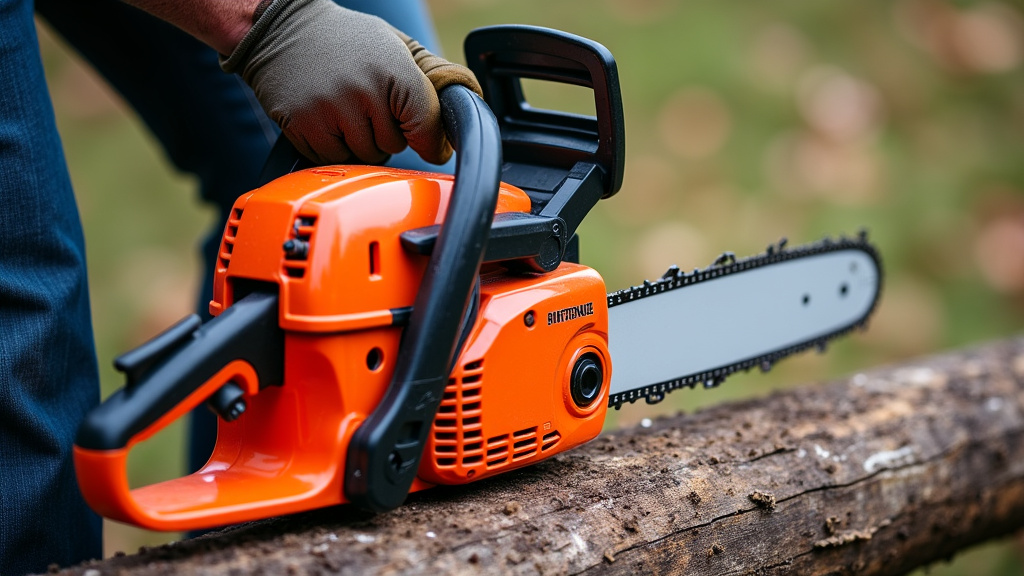
Special Considerations and Troubleshooting
Sometimes, even with the right steps, a chainsaw can be a bit stubborn. Don’t get discouraged. Most issues are easily fixed.
What If It Won’t Start?
If your chainsaw refuses to start after a few tries using the correct method, here are a few things to check:
- Is the chain brake truly disengaged? Sometimes it can feel like it’s off but isn’t fully clear.
- Did you use fresh fuel? Old gasoline can lose its potency and cause starting problems. Many experts recommend using fuel that’s less than 30 days old.
- Is the spark plug okay? A fouled or wet spark plug is a common culprit. You might need to remove it, dry it off, check the gap, and clean it.
- Is the air filter clean? A clogged air filter can starve the engine of air.
- Did you flood the engine? If you smell a lot of gasoline, you might have overdone the choke. Let it sit for 15-20 minutes to air out, then try starting again with no choke.
The “Anti-Vibe” Starting Method
Some modern chainsaws are designed with anti-vibration systems. This often means the engine can be started without the rear handle being firmly pressed down. Instead, you might rest the saw on its side or a stable platform. Always consult your owner’s manual for the recommended starting procedure for your specific saw. Skipping this can damage the anti-vibration mounts.
Primer Bulb: Your Quick Check
Many chainsaws have a small, clear primer bulb. Pressing this a few times (usually 3-5) before engaging the choke helps draw fuel into the carburetor. If you don’t see fuel moving in the bulb when you press it, there might be a fuel line issue or the bulb itself could be cracked.
Checklist for a Smooth Start
Here’s a quick rundown to keep in mind before you pull that cord:
- Fuel and oil mix is correct and topped off.
- Chain oil reservoir is full.
- Chain brake is firmly engaged.
- Chainsaw is on a stable, flat surface.
- Correct choke and throttle sequence is followed for the engine temperature.
- You’re holding the saw securely.
Conclusion
You’ve learned the essential steps to safely start your chainsaw. Remember to always perform your pre-start checks, including fuel, oil, and the chain brake. Whether it’s a cold or warm start, following the correct choke and throttle sequence is key to a smooth ignition. Getting your saw running properly means you can tackle your projects with confidence. Before your next use, review these steps and ensure your saw is always ready to go.
Frequently Asked Questions
How do I know if I flooded the engine?
You’ll likely smell a strong odor of gasoline. This means too much fuel has entered the engine. If this happens, let your chainsaw sit for about 15-20 minutes to allow the excess fuel to evaporate. Then, try starting it again with the choke completely off.
Can I start my chainsaw without engaging the chain brake?
No, you absolutely should not. The chain brake is your primary safety feature when starting. It prevents the chain from spinning unexpectedly when the engine first fires up. Always ensure the brake is engaged before you pull the starter cord.
What is the difference between a cold start and a warm start?
A cold start is for an engine that hasn’t been run recently and requires the full choke to enrich the fuel mixture. A warm start is for an engine that’s already been running and just needs to be restarted; this usually requires only half-choke or no choke at all to avoid flooding.
How often should I check my chain tension?
You should check your chain tension before each use and especially after the chain has been sharpened. A loose chain can fly off the bar, which is dangerous. A chain that’s too tight can cause excessive wear on the bar and chain.
What if my chainsaw has a primer bulb? How do I use it?
The primer bulb is a small, clear bubble on your saw. Pressing it 3-5 times before starting helps draw fuel into the carburetor. If you don’t see fuel moving in the bulb when you press it, there might be a blockage or a leak in the fuel system.
