
What Is the Best Chainsaw for Beginners?
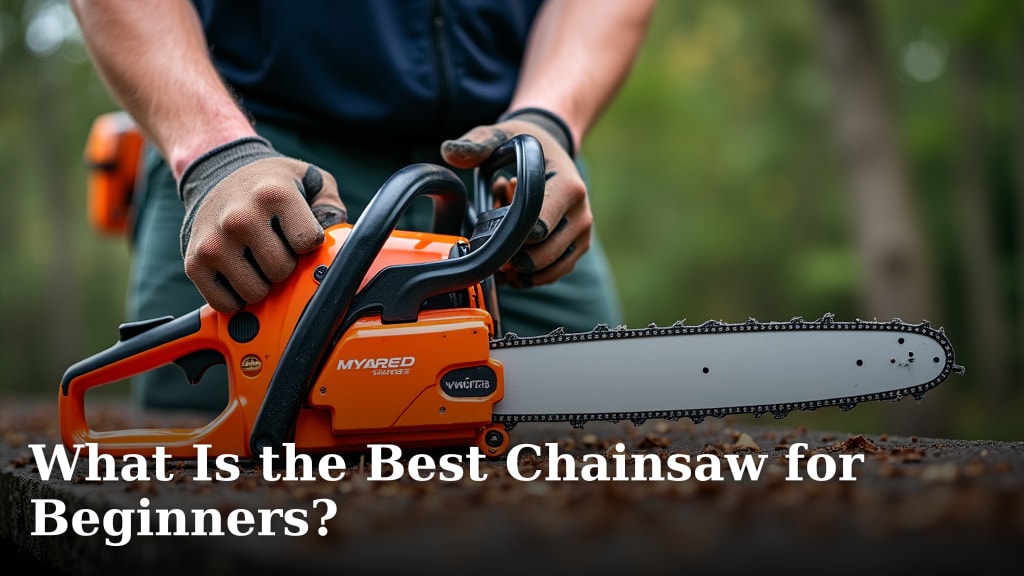
The best chainsaw for beginners is typically an electric or battery-powered model with a short bar (around 12-14 inches). These chainsaws are lighter, quieter, and easier to start than gas models. They offer enough power for common homeowner tasks like pruning and cutting small logs.
Choosing your first chainsaw can feel overwhelming. You want something safe and manageable, right? We found that many beginners appreciate the simplicity of electric or battery chainsaws. They help you build confidence without the maintenance hassles of gas engines.
- Electric/battery chainsaws are best for new users.
- Look for a shorter bar, like 12-14 inches.
- They are lighter and easier to handle.
- Great for light yard work and pruning.
Ready to find your perfect first chainsaw? Let’s dive into what makes a great beginner model and help you choose wisely.
Finding Your Ideal First Chainsaw
The best chainsaw for you as a beginner balances power with ease of use and safety. It should feel comfortable in your hands, not like a wrestling match.
Understanding Chainsaw Types for New Users
When you first look at chainsaws, you’ll see a few main types. Each has its pros and cons. For beginners, the choice often comes down to how much power you need and how much maintenance you want to do.
Electric Chainsaws (Corded)
Corded electric chainsaws are fantastic for beginners. You just plug them in, and they’re ready to go. They offer consistent power as long as they’re connected to an outlet. We found they are much quieter than gas models, which is a big plus for your ears and your neighbors. They also have zero emissions, making them a good choice for the environment.
The main drawback? You’re tied to an extension cord. This limits your working area. Make sure your extension cord is rated for outdoor use and can handle the saw’s power draw to prevent overheating (Consumer Reports).
Battery-Powered Chainsaws (Cordless)
Battery chainsaws are a real game-changer for convenience. You get the freedom of movement without a cord, similar to a gas saw, but with the ease of an electric one. They start with the push of a button, are relatively quiet, and produce no fumes. Many beginners love how lightweight these models can be.
The trade-off is battery life. You’ll get a certain amount of run time, and then you’ll need to recharge or swap batteries. If you have bigger jobs, having a spare battery is almost a must. We’ve seen significant advances in battery technology, offering more power and longer run times than ever before.
Gas-Powered Chainsaws
Gas chainsaws are powerful workhorses. They’re built for big jobs, like felling large trees or cutting through thick firewood. If you’re a beginner, though, they come with a steeper learning curve. They’re heavier, louder, and require more maintenance, like mixing fuel and regular engine care.
Starting a gas chainsaw can be tricky too. It often involves a pull cord and specific starting procedures. For your very first chainsaw, we generally recommend holding off on gas models unless you have a specific, heavy-duty task in mind and feel comfortable with the extra steps.
Key Features to Look For in Your First Chainsaw
Beyond the power source, several features make a chainsaw more beginner-friendly. Think of these as your checklist for a good starting point.
- Bar Length: For beginners, a 12-inch to 14-inch bar is usually perfect. It’s long enough for pruning branches and cutting small logs, but not so long that it becomes hard to control. Longer bars increase the risk of kickback and make the saw heavier.
- Weight: A lighter chainsaw is easier to handle, especially when you’re just learning. Look for models under 10 pounds if possible. Your arms will thank you!
- Safety Features: This is non-negotiable. Look for a chain brake (stops the chain instantly), a handguard (protects your hand from debris and the chain), and anti-vibration features (reduce fatigue). Some saws also have a low-kickback chain and bar, which is excellent for new users.
- Ergonomics: How does it feel in your hands? Is the handle comfortable? Can you easily reach the controls? A good grip and balanced design reduce strain and improve control.
- Automatic Oiler: This is a real convenience. An automatic oiler keeps the chain and bar lubricated, which is vital for performance and longevity. You just need to keep the oil reservoir filled.
Why Small Chainsaw Bar Length Matters for Beginners
You might think a longer bar means more cutting power, but for a beginner, it often means more potential trouble. A shorter bar (like 12-14 inches) offers several advantages that boost confidence and safety.
First, a shorter bar is easier to maneuver. Imagine trying to steer a long boat in a small pond versus a short one. It’s similar with chainsaws. You’ll have better control for precise cuts. Second, shorter bars inherently have a lower risk of kickback. Kickback happens when the tip of the bar hits something, causing the saw to violently jerk back towards you. Shorter bars are less likely to accidentally contact unintended objects (Occupational Safety and Health Administration).
Finally, chainsaws with shorter bars are generally lighter overall. This reduces arm fatigue, allowing you to work more safely and for longer periods without feeling worn out. It’s all about building good habits and skills before tackling larger tools.
Essential Safety Gear You’ll Need
A chainsaw is a powerful tool, and safety should always be your top priority. Think of this gear as your personal armor against potential hazards. Never operate a chainsaw without it. Many experts recommend having all these items before you even start your saw.
| Gear Item | Why You Need It |
|---|---|
| Safety Glasses/Goggles | Protects your eyes from flying wood chips, sawdust, and debris. Regular glasses aren’t enough. |
| Hearing Protection | Chainsaws are loud! Earplugs or earmuffs prevent permanent hearing damage. |
| Gloves | Offers grip, protects hands from splinters, cuts, and vibrations. |
| Chaps or Protective Trousers | These have special fibers that can instantly jam the chain if it makes contact with your leg. Critical safety item. |
| Hard Hat | Protects your head from falling branches or kickback. |
| Sturdy Footwear | Steel-toed boots are ideal. Protects your feet from falling wood and provides good traction. |
Checklist for Choosing Your First Chainsaw
Feeling a bit clearer now? Here’s a quick checklist to help you narrow down your options:
- Is it electric (corded) or battery-powered? (Recommended for beginners)
- Does it have a bar length of 12-14 inches?
- Is it lightweight and easy to handle (under 10 lbs)?
- Does it include essential safety features like a chain brake?
- Does it feel comfortable and balanced when you hold it?
- Is an automatic oiler included for easier maintenance?
Common Beginner Mistakes to Avoid
Everyone makes mistakes, especially when learning something new. Knowing what to watch out for can save you a lot of trouble and keep you safe.
One common mistake is rushing the job. Take your time. Plan your cuts. Don’t try to force the saw through wood; let the saw do the work. Another big one is ignoring safety gear. It might feel cumbersome at first, but it’s there to protect you from serious injury. We’ve seen firsthand how quickly an accident can happen without proper protection (National Safety Council). Always wear your gear, every time.
Finally, many beginners try to cut wood that’s too big for their saw, or they don’t properly clear the area around them. Always have a clear workspace and understand the limitations of your tool. Start small, build your skills, and soon you’ll be feeling much more confident.
Conclusion
Choosing your first chainsaw doesn’t have to be a daunting task. We’ve found that an electric or battery-powered model with a 12-14 inch bar offers the best balance of safety, ease of use, and power for beginners. Prioritize models that feel comfortable and always, always wear your safety gear.
By understanding the different types and key features, you’re well-equipped to make an informed decision. Start small, learn safe practices, and you’ll build your confidence with this powerful tool. Go ahead, pick the right saw, gear up, and tackle those yard projects safely!
Frequently Asked Questions
Can a beginner use a gas chainsaw?
While a beginner can technically use a gas chainsaw, we generally don’t recommend it as a first choice. Gas models are heavier, louder, and require more maintenance than electric or battery versions. They have a steeper learning curve for new users.
How long should a beginner chainsaw battery last?
Battery life varies greatly depending on the saw and the work you’re doing. For light pruning, you might get 30-60 minutes of continuous use. If you have bigger jobs, we found that having a spare battery is essential to avoid interruptions.
What size chainsaw is good for cutting firewood?
For cutting smaller logs and branches for firewood, a chainsaw with a 14-inch bar is often sufficient for beginners. If you plan to cut larger diameter logs (over 10-12 inches), you might eventually consider a slightly longer bar, but always prioritize safety and control.
Do I need to sharpen my chainsaw chain often?
Yes, a dull chain makes cutting difficult and unsafe. You’ll notice the saw struggles and produces sawdust instead of wood chips. For beginners, it’s good practice to check your chain’s sharpness regularly, especially after hitting dirt or hard knots. Many hardware stores offer sharpening services if you’re not comfortable doing it yourself.
Is it hard to maintain an electric chainsaw?
No, electric and battery chainsaws are generally very low maintenance. You primarily need to keep the chain oiled, clean debris from the bar, and occasionally sharpen or replace the chain. This simplicity is one reason they are great for beginners.
