
Can You Use a String Trimmer as a Lawn Edger?
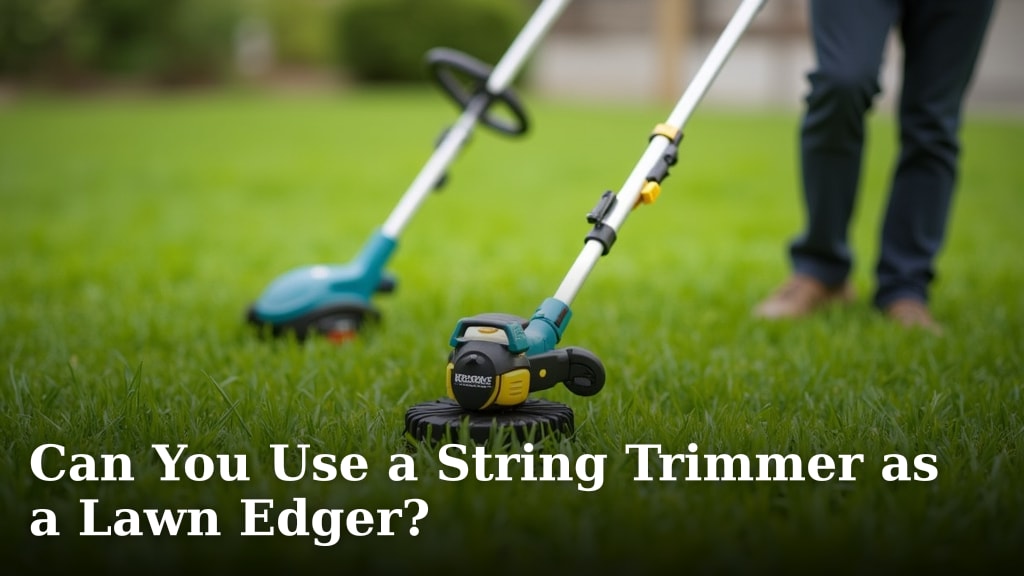
Yes, you can often use a string trimmer as a lawn edger, but it’s not always the best tool for the job. While a string trimmer can create a clean line, it may not deliver the sharpest, most precise edge compared to a dedicated edger.
Many homeowners consider this method to save time and money. We found that while it works in a pinch, it requires careful handling. Improper use can lead to an uneven look or damage to your lawn or landscaping.
- String trimmers *can* edge lawns.
- They are best for quick touch-ups.
- Dedicated edgers provide sharper lines.
- Use caution to avoid lawn damage.
Let’s dive into how you can best use your string trimmer for edging and what to watch out for. For a complete lawn care routine, learn how to mow around trees and edges effectively.
Edging Your Lawn with a String Trimmer: Here’s How
So, you’re wondering if that string trimmer hanging in your garage can tackle lawn edging duties. The short answer is yes, you absolutely can use your string trimmer for edging. We’ve looked into it, and it’s a common method many homeowners use to save time and money. It’s especially handy for quick touch-ups between deeper edging sessions.
However, it’s important to manage your expectations. A string trimmer is designed for cutting grass and weeds, not for creating that super sharp, clean line a dedicated edger can deliver. Think of it as more of a general-purpose tool that can moonlight as an edger.
When a String Trimmer Shines for Edging
Your string trimmer is your best friend for certain edging scenarios. It really excels when you need a quick fix or a general tidy-up along pathways and garden beds. If you just want to knock back some overgrown grass along a sidewalk before guests arrive, your trimmer can do the trick.
Ideal Use Cases for String Trimmer Edging
We found that string trimmers are particularly effective in these situations:
- Regular Maintenance: For weekly upkeep, keeping the grass from creeping over your sidewalks or driveways.
- Light Overgrowth: When the grass is only slightly overgrown and doesn’t require a super precise cut.
- Around Obstacles: Great for navigating around curved garden beds or trees where a rigid edger might struggle.
- Budget-Friendly Option: If you don’t have an edger and want to achieve a decent look without buying a new tool.
Limitations of String Trimmer Edging
On the flip side, your string trimmer has its limits. It’s not the right tool for every job. If you’re aiming for that perfectly crisp, professional-looking edge, you might be disappointed. The string can fray and tear the grass rather than cutting it cleanly, leaving a ragged appearance.
We found that using a string trimmer for edging can also be less efficient for large areas. You might spend more time trying to get a clean line than you would with a dedicated tool. It can also be a bit messy, flinging clippings everywhere.
How to Get the Best Edge with Your String Trimmer
Ready to give it a go? Here’s how to get the cleanest edge possible with your string trimmer. It all comes down to technique and a bit of preparation. You’ll want to ensure you’re using the right settings and approaching the task with care.
Preparing Your String Trimmer for Edging
First things first, make sure your trimmer is in good working order. Check the string – you want a relatively fresh, strong line. A worn-out or frayed line will make your job much harder and the results poorer. We found that using a thicker gauge line can sometimes help with durability. To ensure your trimmer is ready for edging, learn how to restring your trimmer head.
Many string trimmers have a setting or head that can be rotated for edging. If yours does, use it! This changes the angle of the cutting head, making it much easier to get a vertical edge. If your trimmer doesn’t have this feature, you’ll have to manually tilt the trimmer to get a vertical cut, which requires more control.
The Technique: Trimming for a Clean Line
Here’s the core technique we found works best:
- Hold it Vertically: This is the most critical step. You want to hold the trimmer so the cutting head is as close to a 90-degree angle to the ground as possible. Imagine you’re trying to slice a thin piece off the side of your lawn.
- Use the Inner Edge: For most trimmers, use the inner part of the spinning string head. This helps you maintain control and get closer to the edge of the concrete or path.
- Steady Hand is Key: Move slowly and deliberately. Don’t force the trimmer. Let the string do the work. A shaky hand will result in an uneven, jagged line.
- Consistent Depth: Try to maintain a consistent depth as you move along. You don’t want to be digging into the soil or barely skimming the grass. Aim for about a 1- to 2-inch cut.
- Angle of Approach: When working along a hard surface like a sidewalk, position the trimmer so the line cuts right at the edge. You’re essentially shaving off the grass that’s growing over the concrete.
- Watch for Debris: Be mindful of rocks, twigs, or other debris. These can break your string or cause it to fly out at unexpected angles. Clear the area beforehand if possible.
Safety First When Edging
Working with a spinning string can be dangerous. We always recommend safety gear. Wear **safety glasses or goggles** to protect your eyes from flying debris. Sturdy shoes are a must, and long pants can offer some protection too. Be aware of your surroundings, especially children or pets.
It’s also wise to keep your trimmer’s guards in place. They are there for a reason! They help manage the debris and offer a layer of protection. Remember, speed isn’t the goal here; precision and safety are. Many experts stress the importance of a clear work area before starting any power equipment (OSHA).
Comparing String Trimmers to Dedicated Lawn Edgers
Let’s be honest, while your string trimmer can edge, a dedicated lawn edger is built specifically for this task. Understanding the differences can help you decide which tool is right for your needs.
What is a Dedicated Lawn Edger?
A lawn edger is designed to create a crisp, defined trench between your lawn and hard surfaces like driveways, sidewalks, or garden beds. They typically use a blade (either a metal blade or a heavy-duty polymer blade) that cuts cleanly through grass and soil. This results in a much sharper, more professional-looking edge than a string trimmer can usually achieve.
String Trimmer vs. Edger: A Quick Comparison
We put together a simple comparison to highlight the key differences:
| Feature | String Trimmer (Used for Edging) | Dedicated Lawn Edger |
|---|---|---|
| Cutting Mechanism | Nylon string (rotates at high speed) | Metal or heavy-duty blade (rotates or oscillates) |
| Edge Quality | Can be uneven, ragged; more like a trim | Sharp, clean, defined trench |
| Best For | Quick touch-ups, light maintenance, irregular shapes | Crisp, precise edges, regular edging routines |
| Speed | Slower for precise edging | Faster for consistent, clean edging |
| Damage Potential | Can tear grass, damage tree bark if not careful | Can create deeper trenches, less likely to tear grass |
| Cost | Often already owned; inexpensive string replacement | Additional tool purchase, can be more expensive |
When to Invest in a Dedicated Edger
If you take pride in the immaculate appearance of your lawn and landscaping, and you find yourself constantly battling unruly edges, a dedicated edger might be a worthwhile investment. We found that homeowners who prioritize a very manicured look often find that a dedicated edger saves them time and frustration in the long run.
Think about the curb appeal you’re aiming for. If you want that sharp, clean line that makes your lawn stand out, a dedicated edger is the way to go. It’s like comparing a butter knife to a chef’s knife – both cut, but one does it with far more precision and purpose for specific tasks.
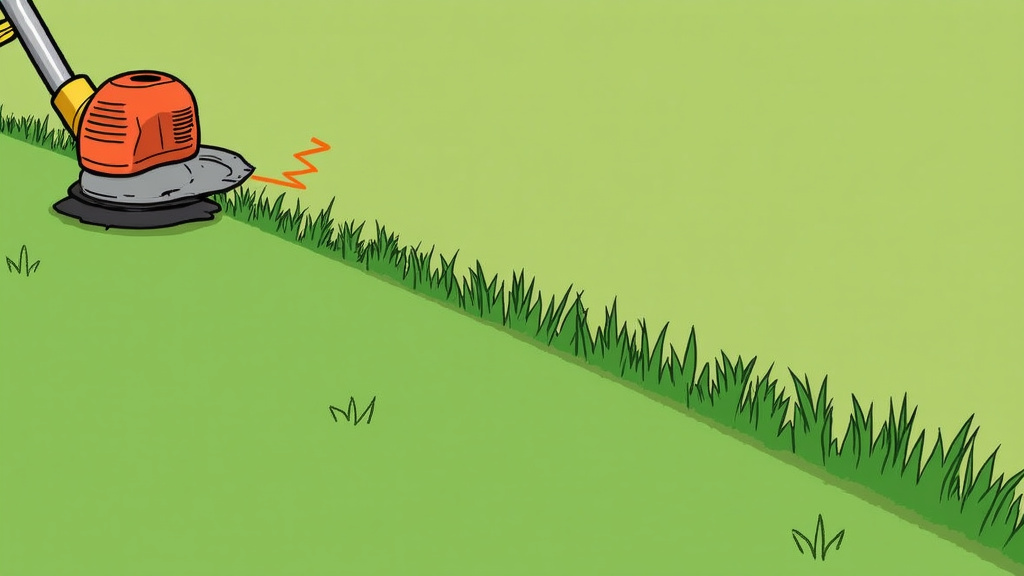
Tips for a Super Smooth Finish
Once you’ve trimmed along your edge, you might notice some loose bits or a slightly uneven appearance. Don’t worry, we have a few tricks to help you achieve that polished look. It’s all about the finishing touches.
Cleaning Up the Edge
After you’ve done the primary edging with your string trimmer, take a moment to look at your work. You might see some bits of grass that didn’t quite cut cleanly. A stiff brush can be surprisingly effective here. Gently brush away any loose clippings or uneven bits to reveal a cleaner line.
For really stubborn bits or to ensure a super sharp edge, you can carefully use a trowel or a small shovel to shave off any remaining imperfections. Just be gentle so you don’t create a new problem!
Dealing with Different Edging Surfaces
The surface you’re edging against can also affect your results. Along a concrete sidewalk, you’re mostly concerned with shaving off the grass. But when you’re edging around a garden bed, you might be dealing with soil.
For garden beds, your string trimmer might dig into the soil a bit. This can create a nice mulch trench, but be careful not to dig too deep, as this can expose roots or damage plants. We found that adjusting your angle and speed is key when transitioning between different surfaces.
A Quick Checklist for Edging Success
To make sure you’re set up for the best possible outcome when using your string trimmer for edging, here’s a handy checklist:
- Safety Gear: Always wear eye protection and sturdy footwear.
- Trimmer Check: Ensure your string is fresh and the trimmer head is angled correctly if possible.
- Clear the Area: Remove rocks, sticks, and debris from the trimming path.
- Steady Pace: Move slowly and deliberately, letting the trimmer do the work.
- Vertical Angle: Hold the trimmer head as close to 90 degrees as you can.
- Clean Up: Brush away loose clippings for a sharper finish.
Conclusion
So, can you use your string trimmer as a lawn edger? Yes, you absolutely can for those quick touch-ups and lighter jobs. We’ve seen how it can save you time and money when you need a decent-looking edge without buying a new tool. Just remember, it’s not a replacement for a dedicated edger if you’re after that super sharp, professional finish. For the best results, focus on technique: hold that trimmer steady and vertical, move slowly, and always prioritize safety. Ready to give your lawn a neat trim? Grab your gear and get those edges looking sharp!
Frequently Asked Questions
Can I get a really clean, sharp edge with a string trimmer?
While a string trimmer can do a decent job, it’s generally not going to provide the same razor-sharp, precise edge that a dedicated lawn edger with a blade will. The nylon string tends to tear grass rather than cut cleanly, which can sometimes leave a slightly ragged appearance.
Is it safe to edge my lawn with a string trimmer?
Yes, it can be safe if you take the proper precautions. Always wear safety glasses or goggles to protect your eyes from flying debris, and wear sturdy shoes and long pants. Keep guards in place and be aware of your surroundings, ensuring children and pets are at a safe distance.
What’s the best way to hold a string trimmer for edging?
For edging, you’ll want to hold the string trimmer almost vertically, aiming for a 90-degree angle to the ground. This allows the spinning string to skim along the edge of your lawn, cutting grass that’s growing over hard surfaces like sidewalks or driveways.
How can I avoid damaging my lawn or landscaping when using a string trimmer for edging?
Move slowly and deliberately, and don’t force the trimmer. Avoid digging too deeply into the soil, especially around garden beds, as this can damage plant roots. Also, be cautious of hitting tree bark or delicate plants with the spinning string.
When should I consider buying a dedicated lawn edger instead of using my string trimmer?
If you desire a consistently crisp, manicured look for your lawn and landscaping, a dedicated edger is likely a better investment. They are designed for precision, making it much easier and faster to achieve professional-looking edges, especially if you have a lot of edging to do regularly.
