
How To Winterize Toro Lawn Mower?
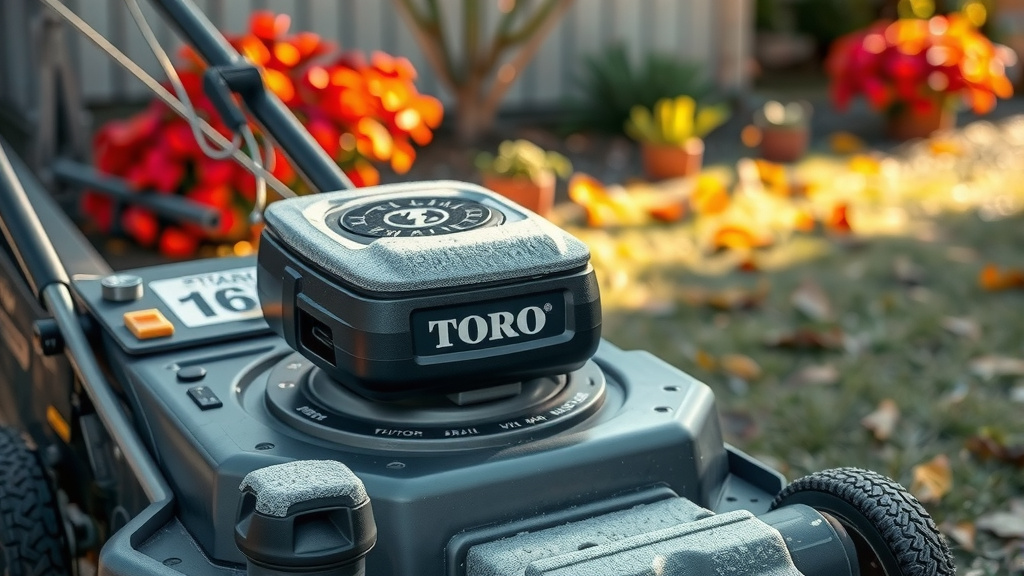
To winterize your Toro lawn mower effectively, begin by stabilizing the fuel or draining it completely, then disconnect the spark plug for essential safety.
Next, clean the mower deck and air filter thoroughly, change the engine oil, and properly store the battery to ensure your machine is ready for spring.
- Proper winterization protects your Toro mower from corrosion and extends its lifespan.
- Fuel stabilization or drainage is crucial to prevent engine damage from old gasoline.
- Cleaning, oil changes, and spark plug removal are key steps for engine health and safety.
- Battery care and proper storage ensure your mower starts reliably next season.
- Taking these simple steps saves you headaches and repair costs in the long run.
Hey there, lawn care champion! As the days get shorter and the chill starts to creep in, your trusty Toro lawn mower is probably looking forward to a long nap. But before you tuck it away for the winter, a little preparation can make a huge difference. Think of it like putting your lawn mower to bed properly – it wakes up happier and ready to work when spring arrives.
You might wonder, “Why even bother winterizing my Toro?” It’s a fair question. We’ve found that ignoring this step often leads to frustrating starting issues, gummy carburetors, and even rust come springtime. Nobody wants that! Let’s get your Toro ready for its hibernation, so it’s roaring to go next season.
How To Winterize Toro Lawn Mower?
To winterize your Toro lawn mower, you need to address its fuel system, engine, deck, and battery with careful cleaning, fluid changes, and protective measures. This prevents common winter storage problems.
The Golden Rule: Safety First!
Before you even think about touching your mower, always, always put safety at the forefront. Picture this: you’re working on the engine, and accidentally bump the blade. Not fun! Many experts advise that the first and most important step is to disconnect the spark plug wire. Just pull it off the spark plug. This prevents any accidental starts while you’re working on the machine (Equipment Manuals).
Gather Your Tools: Be Prepared
Before diving in, let’s get organized. You’ll need a few things: a brush, a rag, a wrench, some fresh engine oil, a new oil filter (if applicable), fuel stabilizer, and perhaps some penetrating oil. Having everything at hand makes the process smooth, like having all your ingredients before baking a cake.
Fuel Management: To Drain or To Stabilize?
This is where many people scratch their heads. What’s the best approach for the fuel in your Toro? You have two main options, and both work well if done correctly.
Option 1: Drain the Fuel Completely
Some mechanics strongly recommend draining every drop of fuel from the tank, fuel lines, and carburetor. Why? Because gasoline can break down over time, leaving behind sticky deposits that clog up your engine’s tiny passages. If you choose this path, run the engine until it stops from lack of fuel. Remember to dispose of old fuel responsibly at a local recycling center.
Option 2: Use a Fuel Stabilizer
If you prefer to keep some fuel in the tank, a quality fuel stabilizer is your friend. Add the stabilizer to the fuel tank, then run the mower for 5-10 minutes. This circulates the treated fuel throughout the system. We’ve found that stabilizers keep fuel fresh for months, preventing those dreaded gummy residues (Engine Care Guidelines).
A Clean Machine: Deck and Engine
Your Toro works hard, so it deserves a good scrub-down before its long rest. Caked-on grass clippings can trap moisture, leading to rust. Nobody wants a rusty mower deck!
Start by scraping off any grass or mud from the underside of the deck. A putty knife or a stiff brush works wonders. Then, give the whole mower, including the engine fins, a good wash. Just be careful not to spray water directly into the carburetor or air filter. Let it dry completely before moving on.
Air Filter Check-Up
While you’re cleaning, take a peek at the air filter. Is it dusty, dirty, or torn? A clogged air filter chokes your engine. If it’s a paper filter, replace it. Foam filters can often be cleaned with soap and water, then allowed to dry completely before re-oiling with specialized filter oil (Manufacturer Guidelines).
The Oil Change: Engine’s Lifeblood
Changing the oil is one of the most important steps. Used oil contains contaminants that can cause corrosion during storage. It’s like changing your car’s oil before a long road trip – you want fresh, clean protection.
Warm up the engine for a few minutes first; warm oil drains better. Then, drain the old oil into an appropriate container and refill with the correct type and amount of new engine oil recommended by Toro. Don’t forget to replace the oil filter if your model has one. This fresh oil provides a protective coating inside your engine (Power Equipment Handbook).
Battery Care: Don’t Let it Die
If your Toro has an electric start and uses a battery, proper storage is vital. Cold temperatures can drain and damage batteries. Many experts suggest removing the battery and storing it in a cool, dry place, like a garage shelf or basement. Consider connecting it to a trickle charger to maintain its charge throughout the winter. This prevents deep discharge and extends battery life.
Blade Protection: Rust Never Sleeps
Now, about those blades. After cleaning the deck, it’s a good idea to remove the blade (or blades) for sharpening. A sharp blade makes for a healthier lawn. Once sharpened, apply a light coat of lubricant or rust-preventative oil to the blade before reinstalling it. This simple step keeps rust at bay and ensures your blade is ready for action come spring.
Lubrication Points: Smooth Operator
Your Toro has moving parts that appreciate a little TLC. Check your owner’s manual for specific lubrication points, often around the wheels, cables, and pivots. A few drops of engine oil or a spray of penetrating lubricant can prevent seizing and keep things moving smoothly. It’s like giving your mower a massage before bed!
Storage Location: The Final Resting Place
Where you store your Toro matters. A dry, sheltered location like a garage or shed is ideal. Avoid damp areas, as moisture can lead to rust. If possible, cover your mower with a breathable tarp to keep dust and debris off. Ensuring good ventilation is always a plus.
Here’s a quick winterization checklist for your Toro:
- Disconnect spark plug wire
- Manage fuel (drain or stabilize)
- Clean mower deck and engine
- Inspect and clean/replace air filter
- Change engine oil and filter
- Remove and store battery (if applicable)
- Sharpen and lubricate blade
- Lubricate moving parts
- Store in a dry, sheltered location
For a quick overview of fuel options:
| Fuel Option | Pros | Cons |
|---|---|---|
| Draining | Eliminates all fuel-related issues. | Requires responsible disposal of fuel. |
| Stabilizing | Less effort, no fuel disposal. | Requires running engine, stabilizer cost. |
Conclusion
Winterizing your Toro lawn mower might seem like an extra chore, but it’s truly an investment in your machine’s future. By taking these simple, practical steps – from managing fuel and changing oil to cleaning the deck and caring for the battery – you’re ensuring a smooth start next spring. Think of the time and money you’ll save avoiding repairs! A little bit of effort now means you can enjoy a beautifully manicured lawn without any fuss when mowing season returns. So, go ahead, give your Toro the pampering it deserves, and rest easy knowing it’s ready for its next big performance.
What kind of fuel should I use to winterize my Toro lawn mower?
When winterizing, it’s best to either drain all existing gasoline from your Toro or use a high-quality fuel stabilizer with the fuel already in the tank. Using fresh, stabilized fuel is the primary goal to prevent ethanol-related damage and gumming.
Do I really need to change the oil every winter?
Yes, changing the oil before winter storage is highly recommended. Used engine oil contains acids and contaminants that can corrode internal engine parts over several months of inactivity, leading to reduced engine lifespan. Fresh oil provides better protection.
Can I just leave the battery in my Toro lawn mower for winter?
Leaving the battery in can shorten its life, especially in cold temperatures. It’s much better to remove it, clean the terminals, and store it in a warm, dry place. Using a trickle charger to maintain its charge every few weeks is an even better practice for battery longevity.
What happens if I don’t winterize my Toro mower?
Skipping winterization can lead to several problems, including fuel system clogs from degraded gasoline, rust on the mower deck and blades, a dead battery, and potential engine corrosion from old oil. These issues can make starting your mower difficult or expensive to repair in the spring.
How often should I sharpen my Toro mower blade?
Many lawn care professionals suggest sharpening your mower blade at least once per season, especially before winter storage. This ensures the blade is ready for spring and helps maintain a healthy cut for your lawn. More frequent sharpening might be needed if you mow tough grass or hit obstacles often.
