
How to Fix a Zero-turn Mower That Won’t Start?
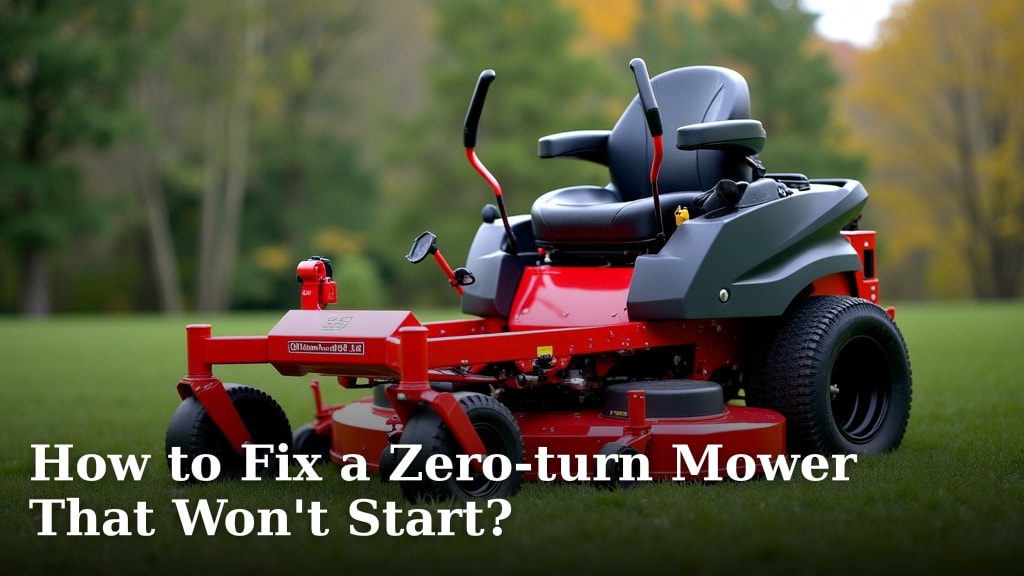
If your zero-turn mower won’t start, don’t panic! Usually, the fix involves checking a few common culprits like the fuel, the battery, or the spark plug. We found that many starting issues can be resolved with simple troubleshooting steps.
A mower that refuses to crank can be frustrating, especially when the grass is getting long. Often, it’s a simple mechanical or electrical issue that you can fix yourself. We’ve researched and found that most non-starting problems fall into a few key categories, making diagnosis easier.
- Check fuel levels and quality.
- Ensure the battery is charged and connected.
- Inspect the spark plug for damage or fouling.
- Verify safety interlocks are properly engaged.
- Look for potential blockages in the fuel system.
Let’s walk through the most common reasons your zero-turn mower might be giving you the silent treatment and how to get it roaring back to life.
Troubleshooting Your Zero-Turn Mower’s Starting Issues
It’s a common problem: you turn the key, and your zero-turn mower just sits there, silent and unmoving. Before you call for professional help, we found that many starting issues are surprisingly easy to fix yourself. Let’s get your mower purring again.
Common Reasons Your Mower Won’t Crank
When your zero-turn mower refuses to start, it’s usually due to one of a few key areas. We found that by systematically checking these common culprits, you can often pinpoint the problem quickly.
Fuel System Checks: The Lifeblood of Your Engine
Your mower needs fuel to run, just like you need a morning coffee. If the fuel system isn’t delivering that fuel properly, your engine won’t even attempt to start. We found that fuel-related problems are among the most frequent reasons for a no-start situation.
Is There Enough Fuel?
This sounds simple, but it’s easily overlooked. Is your fuel tank actually full? Sometimes, the fuel gauge can be inaccurate, or you might simply forget to fill it up. Always double-check the fuel level before assuming a more complex issue.
Fuel Quality Matters
Old gasoline can cause a lot of trouble. Over time, especially if it sits for months, gasoline can degrade and lose its combustibility. We found that fuel left in the tank over winter is a prime suspect for starting problems. If the gas looks cloudy or smells “off,” it’s probably time to drain it and refill with fresh fuel. Many experts recommend using a fuel stabilizer if you won’t be using the mower for extended periods (EPA).
Checking the Fuel Lines
Sometimes, the fuel lines themselves can become clogged or kinked. This prevents fuel from reaching the engine. Visually inspect the fuel lines running from the tank to the carburetor. Ensure they aren’t bent, pinched, or damaged. If they look brittle or cracked, they should be replaced. We found that a simple blockage here can completely halt your mower’s operation.
The Fuel Filter
This small but mighty component traps debris before it can enter your engine’s carburetor. If the fuel filter becomes clogged, it restricts fuel flow. Most fuel filters are inexpensive and relatively easy to replace. Consult your owner’s manual for its exact location. We found that a clogged fuel filter is a frequent offender for engines that crank but won’t fire up.
The Carburetor: A Little More Involved
The carburetor mixes air and fuel in the correct ratio for combustion. If it’s dirty or clogged, it can prevent starting. Cleaning a carburetor can be a bit more involved, often requiring disassembly. If you’re not comfortable with this, it might be time to seek assistance. We’ve found that many DIYers tackle this, but patience is key.
Electrical System Diagnosis: Getting the Spark
For your mower to start, you need a spark to ignite the fuel-air mixture. This spark is generated by the electrical system. If there’s a problem here, your engine won’t even try to turn over, or it might crank weakly.
The Battery: Powering Up
Like any vehicle, your zero-turn mower relies on a battery. A dead or weak battery is a very common reason for a “no-crank” situation. You might hear a clicking sound, or nothing at all.
- Check the Battery Terminals: Ensure the battery terminals are clean and free of corrosion. Corroded terminals can prevent a good electrical connection. You can clean them with a wire brush.
- Check Battery Charge: If you have a multimeter, you can check the battery’s voltage. A fully charged battery should read around 12.6 volts. If it’s significantly lower, it needs charging or replacement. Many lawn mower batteries are relatively small and can be charged with a standard trickle charger.
- Battery Connections: Make sure the battery cables are tightly secured to the terminals. Loose connections are a frequent cause of power loss.
We found that many owners overlook simple battery maintenance, leading to unexpected starting failures.
The Spark Plug: The Ignition Source
The spark plug is responsible for creating the spark that ignites the fuel. If it’s faulty, fouled, or damaged, your engine won’t start. We found that inspecting and even replacing the spark plug is a straightforward and often effective fix.
- Inspect for Damage: Carefully remove the spark plug. Look for cracks in the ceramic insulator or damage to the electrodes.
- Check for Fouling: The plug can become covered in carbon deposits (fouled) from oil or unburned fuel. If it looks black and sooty, it needs cleaning or replacement. You can try cleaning it with a wire brush.
- Check the Gap: The gap between the electrodes is critical. Your owner’s manual will specify the correct gap. You can measure it with a feeler gauge. Adjust if necessary.
If the plug looks worn or heavily fouled, replacing it is a simple, inexpensive solution. We found that a fresh spark plug can dramatically improve starting performance.
Ignition Switch and Safety Interlocks
Modern mowers have safety features that prevent them from starting in unsafe conditions. These are critical for your safety, but they can sometimes prevent starting if not engaged correctly.
- Park Brake Engaged: Most zero-turn mowers won’t start unless the parking brake is fully engaged.
- Operator Presence Control: Many mowers have a lever or pedal that must be held down for the engine to start and run. Ensure this is being activated correctly.
- Deck Engagement: Some mowers won’t start if the mower deck is engaged. Make sure the PTO (power take-off) lever is in the disengaged position.
- Ignition Switch: While less common, the ignition switch itself can fail. If you’re getting no response at all when turning the key, this is a possibility. We found that testing this typically requires electrical diagnostic tools.
We found that incorrectly engaged safety interlocks are responsible for a surprising number of “won’t start” issues. Double-check all these points.
Airflow and Blockages: Letting the Engine Breathe
Your engine needs air to mix with fuel for combustion. Any obstruction to airflow can cause starting problems or lead to a rough-running engine.
The Air Filter
A dirty or clogged air filter restricts the amount of air entering the engine. This can make it difficult to start, especially if it’s severely blocked. We found that checking and cleaning or replacing the air filter is a quick and easy maintenance task that can solve starting issues.
- Locate and Inspect: Find the air filter housing on your mower. Remove the cover and inspect the filter.
- Clean or Replace: If the filter is reusable, you can often clean it by tapping out loose dirt or washing it with soap and water (ensure it’s completely dry before reinstalling). If it’s a paper filter, it’s usually best to replace it if it’s dirty.
We found that a clean air filter is essential for optimal engine performance and reliable starting.
Exhaust Blockages
Less common, but still possible, is a blocked exhaust system. If the muffler or exhaust pipe is clogged, exhaust gases can’t escape, preventing the engine from running. This might happen if something falls into the exhaust pipe. We found that this is rare, but worth considering if other options fail.
Quick Checklist for Common Starting Problems
Before you get too deep into troubleshooting, run through this quick checklist. We found these are the most frequent culprits:
- Is there fresh fuel in the tank?
- Are the battery terminals clean and connections tight?
- Is the spark plug in good condition?
- Are all safety interlocks (brake, PTO) properly engaged/disengaged?
- Is the air filter clean?
Completing these simple checks can often get your mower back in action.
Conclusion
You’ve now got a solid roadmap for troubleshooting your zero-turn mower when it won’t start. We found that most starting issues stem from simple checks on your fuel, battery, spark plug, and safety interlocks. Don’t let a silent mower keep your lawn from looking its best. Grab your owner’s manual, gather your tools, and tackle these common culprits head-on. Often, a little attention can get your mower roaring back to life and ready for action.
Frequently Asked Questions
My zero-turn mower cranks but won’t start. What’s the most likely cause?
When your mower cranks but doesn’t fire up, we’ve found the most common reasons are related to the fuel system. This could be old or insufficient fuel, a clogged fuel filter, or a carburetor issue. It’s also possible the spark plug isn’t firing correctly.
What’s the easiest thing to check if my mower won’t start at all?
The absolute easiest first step is to check your fuel level. Make sure you have fresh gasoline in the tank, as an empty tank or stale fuel is a very common, overlooked problem. Also, confirm your battery terminals are clean and connections are tight.
How often should I check my spark plug and air filter?
We recommend inspecting your spark plug and air filter at least once a season, or more often if you use your mower frequently or in dusty conditions. Replacing them annually is a good preventative maintenance practice.
My mower battery seems dead. Can I just jump-start it like a car?
While some larger mower batteries might tolerate a jump-start, it’s generally not recommended due to the risk of damaging the mower’s electrical system or the battery itself. We found that using a dedicated trickle charger for mower batteries is a safer bet.
What are the “safety interlocks” on my mower, and why would they stop it from starting?
Safety interlocks are features designed to prevent accidental starts, like ensuring the parking brake is set or the operator presence control is engaged. If any of these safety systems aren’t functioning correctly or aren’t engaged properly, the mower’s computer will prevent the engine from starting for your protection.
