
How to Store a Cordless Electric Mower for Winter?
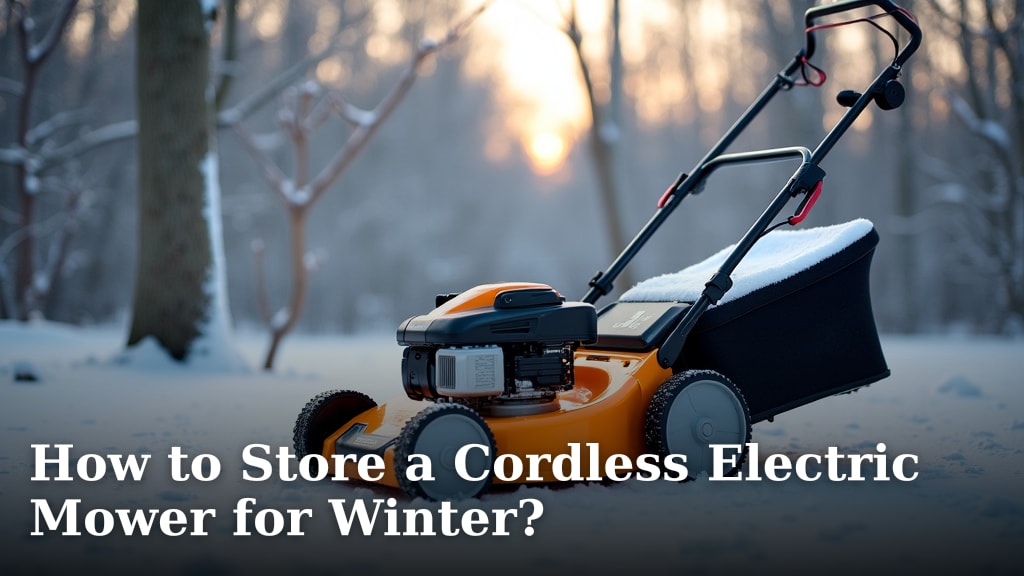
Storing your cordless electric mower for winter is easy if you follow a few key steps. Properly preparing your mower ensures it’s ready to go next spring, saving you time and hassle. The best way to store it involves cleaning it, removing the battery, and finding a dry, protected location.
Taking care of your electric mower before winter hits is essential for its longevity. Neglecting this can lead to issues with the battery or internal components. Many owners find that a little effort now prevents bigger problems later on, keeping your mower in great shape.
- Clean your mower thoroughly.
- Remove and store the battery separately.
- Find a dry, temperature-controlled spot.
- Consider charging the battery partially.
- Check your owner’s manual for specific advice. Check your owner’s manual for specific advice. Our guide on how to store it for winter provides additional tips.
Ready to get your electric mower tucked away safely for the cold months? Let’s walk through the simple process step by step.
Your trusty cordless electric mower might seem tough, but winter’s chill can be its kryptonite if not stored properly. Think of it like tucking your car in for a long nap. You wouldn’t just leave it outside to freeze, would you? Your mower deserves the same care. Doing a little prep now means you won’t be facing costly repairs or a mower that won’t start next spring. Let’s get it ready for its winter slumber.
Getting Your Electric Mower Ready for Winter Storage
Properly storing your electric mower is all about protecting its most vital component: the battery. You’ll also want to keep the mower itself free from rust and dirt. This process isn’t difficult. You can have it done in about an hour. It’s an important step for keeping your mower in top working condition.
Step 1: A Thorough Cleaning
Before you even think about putting your mower away, give it a good cleaning. You want to remove all grass clippings, dirt, and debris. These things can hold moisture. Moisture can lead to rust and corrosion over time. A clean mower is a happy mower come springtime.
Removing Loose Debris
Start by tipping your mower on its side. Most manufacturers recommend tipping it so the battery compartment or air intake is facing upwards. This prevents oil or fuel (if applicable, though less common for electric) from leaking into sensitive areas. Use a stiff brush or a putty knife to scrape off any caked-on grass. You can also use a garden hose or leaf blower to clear away loose clippings. Just be careful not to blast water directly into any electrical components or motor housing.
Cleaning the Undercarriage and Deck
The underside of your mower deck is often the dirtiest part. This is where grass builds up. Use a wire brush to scrub away stubborn residue. If you have a pressure washer, you can use it on a low setting, again, being mindful of electrical parts. Some people find that spraying the deck with a hose and letting it sit for a few minutes helps loosen dried-on grass before scrubbing. Getting this area clean is key to preventing rust.
Wiping Down the Exterior
Once the undercarriage is clean, wipe down the rest of the mower’s body. Use a damp cloth with a little mild soap if needed. Dry it thoroughly afterward with a clean towel. Pay attention to any metal parts. You can even apply a light coat of lubricant or protectant spray to metal surfaces. This adds an extra layer of defense against moisture.
Step 2: Battery Care is Critical
The battery is the heart of your cordless electric mower. Proper battery storage is the most crucial part of winterizing. Lithium-ion batteries, common in these mowers, don’t like extreme temperatures. They also don’t like being stored fully charged or completely dead for long periods. Lithium-ion batteries, common in these mowers, don’t like extreme temperatures. Understanding how long do lawn mower batteries last can help with proper storage decisions.
Remove the Battery
Always remove the battery pack from the mower before storing it. Consult your owner’s manual if you’re unsure how to do this. It’s usually a simple latch or button release. Never store the mower with the battery attached, as there can be a small parasitic drain that could damage the battery over time. Plus, storing them separately helps protect the battery from potential damage to the mower itself.
Check the Charge Level
Many experts recommend storing lithium-ion batteries at around a 40-60% charge level for the winter. Storing them fully charged can degrade the battery’s capacity over time. Conversely, storing them completely drained can lead to a deep discharge, which might make the battery unusable. Some advanced chargers or battery management systems can indicate the charge level. If yours doesn’t, charge it until a charge indicator light shows it’s partially full, or roughly half the usual charge time.
Research from battery manufacturers and general electronics guidelines suggest this mid-range charge state is ideal for long-term storage. For example, guidelines for storing power tool batteries often cite a similar recommendation (a reputable power tool manufacturer’s website).
Where to Store the Battery
This is as important as the charge level. Batteries should be stored in a cool, dry place. The ideal temperature range is typically between 40°F and 70°F (4°C and 21°C). Avoid storing them in unheated garages, sheds, or basements that experience extreme temperature fluctuations. These fluctuations can stress the battery. A spare room in your house or a climate-controlled storage unit is a much better option. Keep the battery away from flammable materials, just as a safety precaution.
We found that many people just toss the battery in the shed, but this is one of the easiest ways to shorten its lifespan. Protecting it from the elements is key.
Step 3: Choosing the Right Storage Location for Your Mower
Once the mower is clean and the battery is cared for, you need to find a suitable home for the mower itself. The goal is to protect it from the elements and prevent damage.
Indoor Storage is Best
An indoor, dry location is your best bet. This could be a garage, a basement, or even a utility shed that doesn’t get excessively cold or damp. The important thing is to keep it out of the direct path of snow, ice, and rain. Moisture is the enemy of metal and electronics.
Temperature Considerations
While the battery needs a controlled temperature, the mower itself can tolerate slightly cooler temperatures, as long as they don’t drop far below freezing consistently. However, extreme cold can make plastic parts brittle. If you can store it somewhere that stays above freezing, that’s even better. Avoid damp environments, as they can lead to rust on metal parts and damage to electrical connections.
Protecting from Pests
Insects and rodents can sometimes make homes in stored equipment. Consider placing your mower where it’s less likely to be discovered by pests. You might also want to cover the mower with a breathable tarp. This protects it from dust and provides a slight barrier against curious critters. Avoid plastic tarps that trap moisture.
Step 4: Final Checks and Considerations
Before you can officially declare your mower ready for its winter nap, there are a couple of final things to think about.
Consult Your Owner’s Manual
Every mower model is a little different. Your owner’s manual is your ultimate guide. It will have specific instructions from the manufacturer about winter storage. It might offer tips tailored to your mower’s design, especially concerning the battery and any specific cleaning agents or lubricants to use or avoid. Don’t guess; check the manual!
Check for Damage
While you’re cleaning, take a moment to inspect your mower for any loose parts, damaged blades, or signs of wear and tear. Addressing minor issues now can prevent bigger problems next season. If the blade is dull, consider sharpening or replacing it before storing. A sharp blade makes for a more efficient cut in the spring.
Mower Covers
A good quality mower cover can offer excellent protection. Look for one that is waterproof but breathable. This will keep dust, dirt, and moisture away while allowing any residual humidity to escape. This prevents condensation buildup under the cover. Ensure the cover fits snugly or can be secured so it doesn’t blow off.
Here’s a quick checklist to make sure you’ve covered all your bases:
- Cleaned mower thoroughly (deck, body, wheels).
- Removed battery and checked its charge level.
- Stored battery in a cool, dry, indoor location.
- Stored mower in a dry, protected indoor space.
- Consulted owner’s manual for specific advice.
- Inspected mower for any needed repairs.
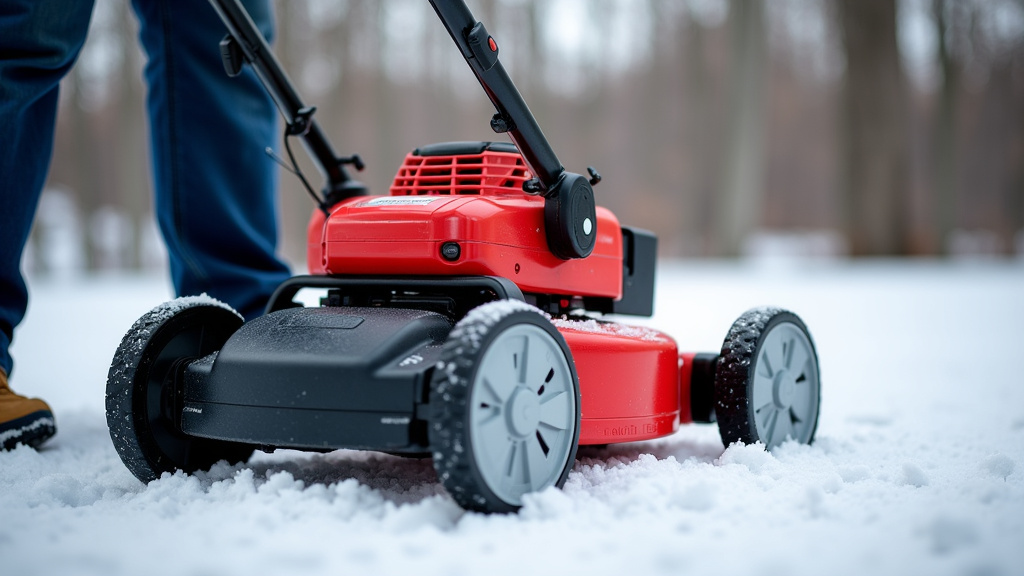
Conclusion
You’ve got this! Properly storing your cordless electric mower this winter is straightforward when you follow these steps. Cleaning it thoroughly, caring for the battery’s charge and location, and finding a protected spot for the mower itself are key. Taking these actions now will protect your investment and ensure your mower is ready for action when spring arrives. Don’t wait until the last minute; get your mower tucked away safely today to enjoy a hassle-free start to next mowing season!
Frequently Asked Questions
How cold is too cold for my electric mower battery?
Lithium-ion batteries, common in electric mowers, perform best between 40°F and 70°F. Temperatures below freezing can permanently damage the battery. Storing it in an unheated garage or shed where it gets very cold is not ideal. Instead, find a place in your home that stays milder.
Do I need to fully charge the battery before storing it?
No, actually, it’s better not to. Storing lithium-ion batteries fully charged can degrade their capacity over time. Experts suggest storing them at a partial charge, around 40-60%. This helps maintain their health during long-term storage.
Can I store my electric mower outside under a tarp?
It’s strongly recommended to avoid outdoor storage, even with a tarp. While a cover protects from direct precipitation, moisture can still get trapped. Dampness can lead to rust on metal parts and damage to electrical components. Always aim for a dry, indoor location like a garage or basement.
What if my mower has a parasitic battery drain?
This is why removing the battery before storage is so important. Even when the mower is off, a small amount of power can be drawn from the battery, potentially draining it completely over winter. Storing the battery separately prevents this and protects it from any issues with the mower itself.
Should I sharpen the blade before winter storage?
Yes, it’s a great idea to inspect and potentially sharpen or replace your mower’s blade before storing it. A sharp blade cuts grass more cleanly and efficiently. It also prevents potential issues like rust on the blade edges from sitting dull all winter. Just be sure to handle the blade carefully.
