
How To Operate A Troy-Bilt Lawn Mower?
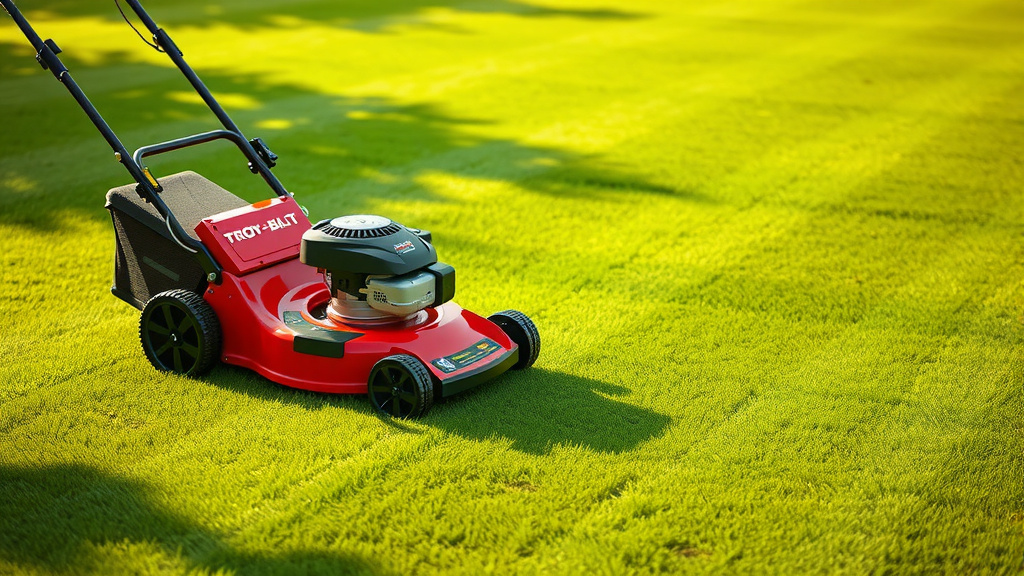
To operate a Troy-Bilt lawn mower, first ensure safety by clearing the area and wearing protective gear. Then, check fuel and oil levels, adjust the cutting height, and engage the safety bar before starting the engine.
Proper operation involves maintaining a steady pace, using overlapping passes, and turning off the engine safely after each use. Regular cleaning and storage will extend your mower’s life.
- Get started safely: always wear gear and clear your lawn of debris.
- Check essentials: top off fuel, verify oil, and set your blade height right.
- Start it up: understand priming, choking, and the pull-cord or electric start.
- Mow smart: use overlapping paths and proper technique for a great cut.
- Finish strong: safely shut down your mower and perform quick clean-up.
How To Operate A Troy-Bilt Lawn Mower?
Learning to operate a Troy-Bilt lawn mower is straightforward, and we’re here to guide you every step of the way. It’s like learning to drive a car – a few simple steps ensure both your safety and a perfectly manicured lawn.
Safety First, Always
Before you even think about starting your engine, take a moment for safety. Think of it as your pre-flight check for a smooth lawn care experience. Many experts emphasize that safety precautions are not optional (National Safety Council).
Essential Gear for Your Protection
Your personal safety matters. We found that wearing the right gear helps prevent most common mowing injuries. Are you wearing sturdy closed-toe shoes? What about eye protection?
- Sturdy closed-toe shoes
- Eye protection (safety glasses or goggles)
- Hearing protection (earplugs or earmuffs)
- Long pants and gloves
These items create a protective barrier between you and any unexpected hazards. It’s a small effort for a big peace of mind.
Clearing Your Mowing Zone
Walk your lawn first, like a quick scout before battle. Remove any sticks, stones, toys, or anything else that could become a dangerous projectile. A clean lawn makes for a safe and effective mowing session.
Pre-Mowing Checks: The Smart Start
A few quick checks ensure your Troy-Bilt is ready for action. It’s like giving your mower a quick pep talk before it gets to work.
Fueling Up Correctly
Check your fuel tank. Most Troy-Bilt mowers use fresh, unleaded gasoline. If you have a 4-stroke engine, no oil mixing is needed directly in the fuel tank.
Always refuel outdoors and never when the engine is hot. Spilled fuel on a hot engine is a major fire hazard, so always be careful.
Checking the Oil Level
Just like your car, your mower needs proper oil levels. We found that low oil can cause serious engine damage. Pull out the dipstick, wipe it clean, reinsert, then check the level again.
It should fall within the recommended range on the dipstick. If it’s low, add the correct type of engine oil for your model.
Blade Height Adjustment
Adjusting the cutting height is key for a healthy lawn and a good looking cut. Most Troy-Bilt mowers have levers near the wheels for this. Do you want a golf course look or a slightly taller, more drought-resistant lawn?
Many experts say to never cut more than one-third of the grass blade at a time (University of California Agriculture and Natural Resources).
| Grass Type | Recommended Cutting Height (Inches) | Mowing Frequency |
|---|---|---|
| Cool-Season Grasses (e.g., Fescue, Rye) | 2.5 – 3.5 | Weekly or Bi-weekly |
| Warm-Season Grasses (e.g., Bermuda, Zoysia) | 1.5 – 2.5 | Weekly or more often |
Getting Your Troy-Bilt Ready to Start
It’s almost go-time! These steps prime your mower for an easy start.
Engaging the Brake/Safety Bar
The safety bar, often called a “bail” or “operator presence control,” must be held against the handle to allow the engine to start and run. It’s a crucial safety feature. If you let go, the engine stops.
Priming the Engine (if applicable)
Some Troy-Bilt models have a primer bulb. If yours does, push it 3-5 times until you see fuel in the bulb or return line. This injects a small amount of fuel into the carburetor for easier starting.
Choke Settings
For a cold engine, you’ll typically set the choke to the “Full Choke” position. This enriches the fuel-air mixture, helping the engine fire up. As the engine warms, you’ll move it to “Run.”
Starting the Engine: Pull or Electric?
Troy-Bilt mowers come with different starting options. Which type do you have?
Manual Recoil Start (Pull Cord)
With the safety bar held, give the pull cord a firm, steady pull. Don’t yank it short and hard; a smooth, consistent pull works best. It might take a couple of tries, especially if the mower has been sitting for a while.
Electric Push-Button Start
Many newer models offer the convenience of an electric start. Just hold the safety bar, press the start button, and your engine should roar to life. It’s like magic, right?
Mastering the Mow: Techniques for a Great Lawn
Now for the fun part! Let’s get that lawn looking fantastic.
Mowing Patterns
For the best look, mow in overlapping rows. This ensures you don’t miss any spots and helps create those classic lawn stripes. Think of it as painting your lawn, one neat stroke at a time.
Dealing with Slopes
If you have slopes, always mow across them with a walk-behind mower, not up and down. With a riding mower, go up and down. This minimizes the risk of losing control. Safety first on uneven ground!
Bagging vs. Mulching
Your Troy-Bilt likely offers options for what happens to the clippings. Do you want to bag them or return nutrients to your lawn?
- Bagging: Collects clippings for disposal, leaving a clean finish.
- Mulching: Cuts clippings into fine pieces, returning nutrients to the soil. This can help your lawn stay greener (USDA).
- Side Discharge: Shoots clippings out the side, useful for very tall grass.
Stopping Your Troy-Bilt Mower Safely
Ending your mowing session properly is just as important as starting it.
Release the Safety Bar
Simply let go of the safety bar. The engine should immediately shut off. This is its primary safety function.
Turn Off the Ignition
Move the throttle or ignition switch to the “Off” position. This ensures the mower is completely powered down and ready for storage.
Post-Mow Care: Keep Your Mower Happy
A little care after each use goes a long way. It’s like tucking your mower into bed after a hard day’s work.
Quick Clean-Up
Allow the engine to cool, then disconnect the spark plug wire for safety. Gently clear grass clippings from the underside of the deck and around the engine. A garden hose can rinse the underside, but avoid spraying directly into the engine.
Storage Tips
Store your Troy-Bilt in a clean, dry area, away from fuel sources and open flames. If storing for winter, follow specific winterization steps outlined in your owner’s manual. This often includes fuel stabilization and spark plug maintenance.
Here’s a quick checklist for after each use:
- Let engine cool.
- Disconnect spark plug wire.
- Scrape off grass clippings from deck.
- Wipe down exterior.
- Store in a dry, secure place.
Conclusion
Operating your Troy-Bilt lawn mower might seem like a big task at first glance, but with these clear steps, you’re now a confident operator. We’ve walked through everything from safety gear to smart mowing techniques and essential post-mow care. Remember, consistency in these practices leads to a beautiful lawn and a well-maintained mower for years to come. Your lawn will thank you for the care, and so will your Troy-Bilt!
How often should I change the oil in my Troy-Bilt lawn mower?
Most Troy-Bilt walk-behind mowers with 4-stroke engines typically need an oil change after the first 5 hours of use, and then every 25-50 hours of operation or at least once per mowing season, whichever comes first. Always check your specific model’s owner’s manual for precise recommendations.
Can I use car gasoline in my Troy-Bilt lawn mower?
Yes, you can use fresh unleaded gasoline with an octane rating of 87 or higher in most Troy-Bilt lawn mowers. We found that using E10 (gasoline with up to 10% ethanol) is generally acceptable, but avoid E15 or E85 fuels as they can damage small engines. Always use fuel from a reputable station and avoid stale gas.
My Troy-Bilt mower won’t start. What’s the first thing I should check?
If your Troy-Bilt mower won’t start, the first things to check are the fuel level (is it fresh?), the oil level (is it sufficient?), and the spark plug (is it clean and connected?). Also, ensure the safety bar is fully engaged and the choke is set correctly for a cold engine. Many starting issues stem from these basic checks.
Is it better to bag clippings or mulch them?
Many experts say mulching clippings is often better for your lawn. Mulching returns valuable nutrients and moisture to the soil, promoting healthier grass. Bagging provides a cleaner look and helps prevent the spread of weeds or diseases, but it removes nutrients that your lawn could reuse.
How do I store my Troy-Bilt lawn mower for the winter?
For winter storage, first run the fuel tank dry or add a fuel stabilizer to prevent stale gas issues. Then, clean the mower thoroughly, including the underside of the deck. Disconnect the spark plug wire and remove the spark plug for inspection. Store it in a dry, protected area, possibly with a cover. Refer to your owner’s manual for specific long-term storage instructions for your model.
