
How To Pick Up A Lawn Mower?
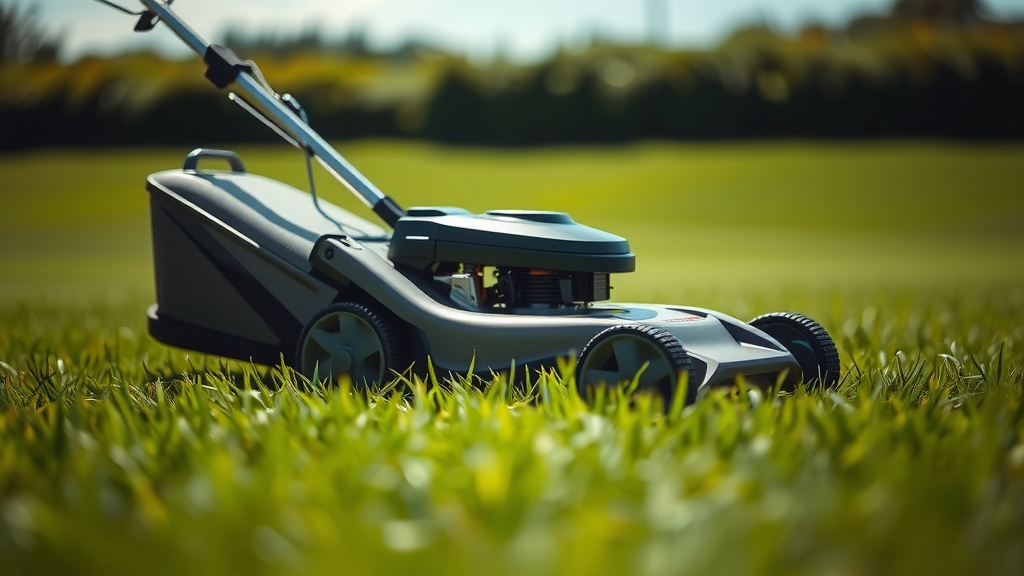
To pick up a lawn mower, consider your lawn size, power source preference (gas, electric, robotic), terrain, and desired features like mulching or bagging. Start by evaluating your yard for key factors like obstacles and slopes to guide your choice.
Choosing the right lawn mower means finding a tool that makes your lawn care easier, more efficient, and perhaps even a bit enjoyable. Think about what truly matters for your specific needs.
Here’s a quick look at what you’ll discover in this guide, helping you pick your perfect lawn care companion:
- Understand your lawn size and type to match the right mower.
- Weigh the pros and cons of gas, electric, and robotic power.
- Learn which features will save you time and effort.
- Get tips on balancing budget with long-term performance.
How To Pick Up A Lawn Mower?
Picking up a lawn mower means finding the perfect match for your yard and lifestyle. It’s all about understanding what you need before you even look at models. Think of it like choosing the right shoes for a specific activity, you wouldn’t wear hiking boots for a sprint, right?
Your Lawn’s Size: The First Step
The size of your lawn is perhaps the most important factor in your decision. Trying to mow a sprawling yard with a small push mower can feel like an endless chore. Conversely, a giant riding mower in a tiny space is just overkill.
Small Yards (Up to 1/4 Acre): Keep it Simple
If your lawn is more like a postage stamp or a small patch, you don’t need a heavy-duty machine. A simple push mower or a light electric model could be perfect. They are often easy to store and maneuver around tight spaces (Consumer Reports).
Medium Yards (1/4 to 1/2 Acre): Consider Assistance
For a medium-sized lawn, walking behind a self-propelled mower can save your back and energy. Many experts suggest these models offer a great balance of power and convenience for suburban lawns (Gardening Association of America).
Large Yards (Over 1/2 Acre): Think Big
When your lawn feels like a football field, a riding mower or lawn tractor becomes a true time-saver. You’ll spend less time mowing and more time enjoying your weekend. We found that most homeowners with large properties agree this is the most practical choice.
Power Source: What Drives You?
How you power your mower affects everything from noise levels to maintenance. Do you prefer the traditional rumble of gas or the quiet hum of electric?
Gas Mowers: Power and Endurance
Gas mowers are known for their raw power and ability to tackle thick, tall grass. They offer unlimited run time as long as you have fuel. However, they require more maintenance and produce emissions.
Electric Mowers: Eco-Friendly Options
Electric mowers come in two main types: corded and cordless. Corded models are lighter and offer continuous power but limit your range. Cordless (battery-powered) mowers give you freedom but have a limited battery life, often around 45-60 minutes per charge (Home & Garden Research Institute).
Robot Mowers: The Future is Now
Imagine your lawn getting mowed while you relax. Robot mowers do just that! They are ideal for consistent, light trimming and save you time. They do require an initial setup and are generally best for flatter lawns.
Navigating Your Terrain and Obstacles
Is your yard flat as a pancake or full of hills and bumps? Do you have lots of flower beds, trees, or tricky corners to navigate? A mower that struggles with your terrain will only lead to frustration.
A self-propelled mower is a game-changer for sloped yards. For tight spaces, a smaller deck width or a zero-turn radius on a riding mower can make a big difference. We found that maneuverability is key for intricate landscapes.
Cutting Deck Width: Wider isn’t Always Better
The cutting deck width tells you how wide a strip of grass the mower cuts in one pass. A wider deck means fewer passes, saving you time on large lawns. But for smaller, obstacle-filled yards, a narrower deck is easier to handle.
Essential Mowing Features to Look For
Beyond the basics, certain features can truly enhance your mowing experience. These are often the little things that make a big difference.
Mulching, Bagging, or Side Discharge?
Many mowers offer these options. Mulching finely chops grass clippings and returns them to the lawn as natural fertilizer. Bagging collects clippings for easy disposal, great for a very clean look. Side discharge simply throws clippings out to the side. Weigh your priorities for grass disposal.
Adjustable Blade Heights
Being able to easily adjust the cutting height is crucial for different grass types and seasons. Some mowers have a single lever for all wheels, making this task much simpler. Research suggests this feature helps maintain lawn health (American Lawns Association).
Electric Start: No More Pull Cords
Tired of yanking a pull cord? An electric start button, common on many gas models, removes this hassle. It’s a small luxury that makes starting your mower a breeze every time.
Setting Your Budget: What Can You Afford?
Lawn mowers vary widely in price. Establishing a budget early helps narrow your choices. Remember, a higher price often means more features, greater durability, or advanced technology. However, you can still find reliable options at every price point.
Maintenance and Storage: The Long-Term View
Think about how easy the mower is to clean and store. Gas mowers need fuel, oil changes, and spark plug checks. Electric models require battery charging and less mechanical upkeep. Also, consider if you have space for the mower, especially larger riding models. Many manufacturers now offer mowers with foldable handles for compact storage.
Mower Type Comparison Table
To help you visualize the choices, here’s a quick comparison:
| Mower Type | Best For | Pros | Cons |
|---|---|---|---|
| Push Reel | Small, flat lawns | Quiet, no fuel/electric, eco-friendly | Manual effort, not for tall grass |
| Electric (Corded) | Small-medium, flat lawns | Light, quiet, low maintenance | Cord limits range, safety risk |
| Electric (Cordless) | Small-medium lawns, some slopes | Quiet, no cord, low maintenance | Battery run time, charging needed |
| Gas Walk-Behind | Medium-large lawns, slopes | Powerful, no cord, continuous use | Noisy, emissions, more maintenance |
| Riding Mower | Large lawns, varied terrain | Fast, comfortable, handles big jobs | Expensive, large storage, maintenance |
Your Mower Selection Checklist
Ready to make a decision? Use this quick checklist to guide your final choice:
- Does it match your lawn size?
- Is the power source right for you?
- Can it handle your yard’s terrain and obstacles?
- Does it have the features you need (mulching, bagging, etc.)?
- Does it fit comfortably within your budget?
- Is it reasonably easy to maintain and store?
Conclusion
Choosing the right lawn mower doesn’t have to be a complicated task. By focusing on your lawn’s specific needs and your own preferences, you can easily narrow down the options. Think about your yard’s size, how you prefer to power your tools, and the features that will genuinely make your life easier. Taking a moment to consider these points now will lead to years of happier, more efficient lawn care. Happy mowing!
Frequently Asked Questions About Lawn Mowers
How often should I sharpen my lawn mower blades?
Many experts recommend sharpening your lawn mower blades at least once a season, or more frequently if you notice ragged grass cuts or if you mow very tough, sandy areas. Dull blades tear the grass, which can leave your lawn susceptible to disease.
What’s the best way to store a lawn mower during winter?
For gas mowers, it’s wise to stabilize the fuel or run the tank dry, change the oil, and clean the deck before storing in a dry, covered area. Electric mowers should have their batteries fully charged and then stored in a cool, dry place, separate from the mower if possible. Always consult your owner’s manual for specific instructions (Manufacturers Association).
Are robotic lawn mowers truly worth the investment?
For homeowners who value convenience and consistent lawn appearance, robotic lawn mowers can be a great investment. They save time and ensure your lawn is always neatly trimmed. However, they are best suited for simpler lawns without extreme slopes or excessive debris, and they do represent a higher initial cost.
How do I know if I need a self-propelled mower?
You likely need a self-propelled mower if you have a medium-sized lawn (around 1/4 to 1/2 acre), slopes, or just want to reduce physical effort. The engine powers the wheels, meaning you guide it rather than push it. It’s a real back-saver for many.
What’s the difference between a lawn tractor and a zero-turn mower?
A lawn tractor is a versatile riding mower typically steered with a steering wheel, good for mowing and other yard tasks like hauling. A zero-turn mower, on the other hand, is steered with lap bars and can turn on a dime, making it incredibly efficient for large lawns with many obstacles, as it cuts mowing time significantly.
