
How To Avoid Wasps While Mowing The Lawn?
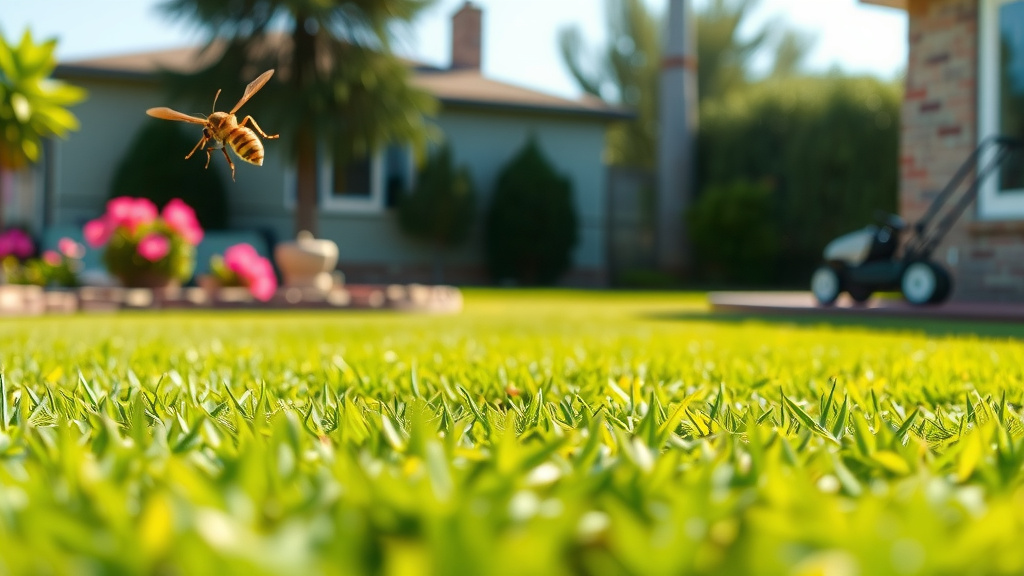
To avoid wasps while mowing the lawn, first, scan your lawn and surrounding areas for visible nests before you even start the mower. Always wear protective clothing like long sleeves, pants, and closed-toe shoes to minimize exposed skin.
Maintaining a safe distance from known wasp hot spots and mowing during cooler parts of the day when wasps are less active can significantly reduce your chances of an unpleasant encounter. Consider a slow, cautious approach, especially near dense bushes or garden structures.
- Inspect your lawn for wasp activity and nests before mowing.
- Dress in long sleeves, pants, and closed-toe shoes for protection.
- Mow during cooler parts of the day when wasps are less active.
- Approach areas with dense foliage or structures cautiously.
- Keep your lawn well-maintained to deter nesting sites.
How To Avoid Wasps While Mowing The Lawn?
You can effectively avoid wasps while mowing by performing a quick inspection of your yard for nests and wearing proper protective gear. Being aware of their activity patterns and maintaining your lawn helps a great deal.
Pre-Mow Inspection: Your First Line of Defense
Before you pull that starter cord, take a few minutes to be a detective in your own yard. This quick scan is perhaps the most important step to avoiding a nasty sting.
Spotting Ground Nests
Wasps, especially yellow jackets, love to build nests underground in old rodent burrows or cavities. Look for a steady stream of wasps flying in and out of a small hole in the ground. You might notice them around tree roots or dense ground cover.
Checking Shrubs and Structures
Above-ground nests can be hidden in bushes, under eaves, or even in unused equipment. We found that paper wasps often build open, comb-like nests under sheltered spots (Pest World). Give these areas a careful look from a safe distance.
Gear Up: Dressing for Protection
Think of your mowing attire as your personal wasp armor. The right clothing can make all the difference if you accidentally disturb a nest. Don’t skip these steps.
Long Sleeves and Pants
Always wear long sleeves and long pants, even on a warm day. Choose thicker fabrics like denim or canvas, which are harder for a wasp stinger to penetrate. Light colors are often recommended too.
Closed-Toe Shoes and Socks
Flip-flops are a definite no-go. Wear sturdy, closed-toe shoes and thick socks to protect your feet and ankles. Many stings happen when wasps are disturbed in the grass you are walking through.
Consider Head and Eye Protection
A wide-brimmed hat can offer some protection for your head and neck. Safety glasses are also a smart choice to shield your eyes from debris and any angry fliers. It’s all about reducing exposed skin.
Timing is Everything: When to Mow
Did you know wasps have a “rush hour” too? Adjusting your mowing schedule can make your yard work much safer. We found their activity varies throughout the day.
Mow During Cooler Parts of the Day
Wasps are generally less active in the early morning or late evening. The cooler temperatures make them sluggish and less likely to be out foraging (Pest Control Technology). Try to schedule your mowing then.
Avoid Midday Heat
The middle of a hot, sunny day is when wasps are typically most energetic and aggressive. If possible, avoid mowing during these peak hours to minimize encounters. Sometimes, a little patience goes a long way.
Mowing Techniques to Deter Wasps
How you actually mow your lawn can also play a role in keeping wasps at bay. Small adjustments to your routine can have big benefits.
Maintain a Tidy Lawn
A well-kept lawn with shorter grass offers fewer hiding spots for ground nests. Regular mowing discourages wasps from setting up shop. We found that overgrown areas are often prime real estate for many pests.
Mow Around Known Hot Spots
If you’ve spotted a potential nest area, mow around it rather than directly over it. Mark it with a flag or cone to remind yourself to give it a wide berth. You can always deal with the nest later, safely.
Vary Your Mowing Pattern
Changing your mowing direction can help you spot nests you might have missed. It also prevents compacting the soil in the same spots, which can sometimes create appealing ground cavities.
If You Encounter Wasps: Stay Calm
Despite your best efforts, sometimes you might disturb a nest. Your reaction in that moment is critical for your safety. Don’t panic!
Here’s a quick guide if you find yourself in a wasp confrontation:
- Stay calm: Sudden movements can provoke them more.
- Move away slowly: Don’t swat or run wildly.
- Seek shelter: Get inside a building or vehicle quickly.
- Do not try to kill them: This often makes them more aggressive.
Dealing with Nests Safely
Finding a wasp nest isn’t the end of the world, but removal requires care. This is not a job for the faint of heart or an amateur. Sometimes, calling in the pros is the smartest move.
| Nest Type | Safe Removal Strategy |
|---|---|
| Ground Nests (Yellow Jackets) | Professional pest control recommended. DIY can be dangerous. |
| Paper Nests (under eaves, shrubs) | Can attempt DIY with specific wasp spray at night, but professional help is safer for large nests. |
A Checklist for Wasp-Free Mowing
Before you head out to tame your lawn, run through this quick mental checklist. It will help keep you and your family safe.
- Did I scan the lawn for nests?
- Am I wearing appropriate protective clothing?
- Is it a cooler time of day to mow?
- Have I identified any risky, overgrown areas?
- Do I have an exit strategy if wasps appear?
Why Wasps Matter (and How to Coexist)
While stings are unpleasant, wasps do play a role in our ecosystem. Many are predators of garden pests, and some even act as pollinators (USDA Forest Service). The goal isn’t elimination, but safe coexistence.
Understanding Their Behavior
Wasps usually only sting when they feel threatened or their nest is disturbed. Learning to recognize their warning signs and maintaining distance can prevent most conflicts. They aren’t usually out to get you.
Long-Term Prevention Strategies
Beyond mowing, regularly inspecting your property for potential nesting sites can help. Seal cracks in foundations, repair loose siding, and keep outdoor bins tightly sealed. These small efforts can make a big difference.
Conclusion
Avoiding wasps while mowing the lawn doesn’t have to be a guessing game. By taking a few proactive steps, like a thorough pre-mow inspection and wearing protective clothing, you significantly reduce your risk. Mowing during cooler times and knowing how to react if you encounter them are also key. Remember, safety always comes first when you’re maintaining your outdoor space. A little preparation ensures your lawn care routine is a breeze, not a buzzkill.
What should I do immediately if I accidentally mow over a wasp nest?
If you accidentally mow over a wasp nest, immediately turn off the mower and move away from the area as quickly and calmly as possible. Do not swat at the wasps; instead, seek shelter indoors or in your vehicle.
Can wasp repellents be used to keep them away from my lawn?
While some commercial repellents exist, their effectiveness in deterring wasps from an entire lawn during mowing is often limited. Focus more on nest detection and personal protection for better results. Many experts suggest repellents are more effective for personal application than area-wide deterrence.
Are certain types of lawn mowers more likely to disturb wasp nests?
Any type of lawn mower can disturb a wasp nest if it passes too close. However, push mowers or walk-behind mowers might give you a slightly better chance of spotting a ground nest before it’s too late compared to riding mowers, which cover ground faster and at a different vantage point.
How can I tell the difference between a bee and a wasp while mowing?
Bees are generally hairier and more robust, often with pollen sacs on their legs, and are typically not aggressive unless their hive is threatened. Wasps have smoother, slender bodies with a distinct “waist” and are often brighter yellow and black, tending to be more aggressive when disturbed.
Is it safer to mow at night to avoid wasps?
Mowing at night might reduce wasp activity since they are less active in the dark and cooler temperatures. However, it also presents other risks, such as reduced visibility for obstacles, trip hazards, and potentially not seeing nests until it’s too late. Early morning or late evening (dusk) is generally a safer compromise.
