
How To Become A Lawn Mower?
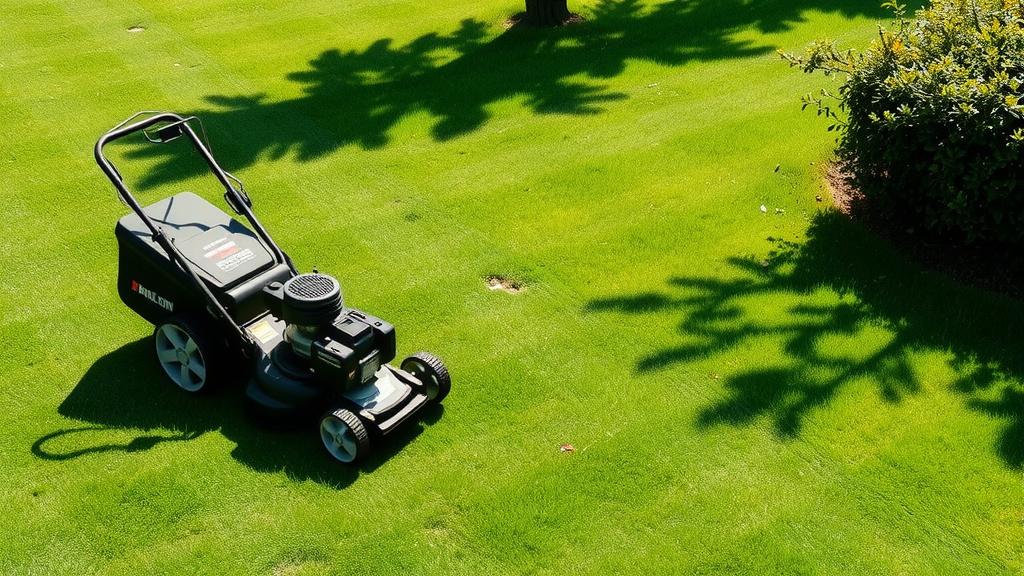
Want to become a lawn mower? You can start by learning the basics of lawn care, investing in reliable equipment, and marketing your services.
Becoming a lawn mower involves developing practical skills in grass cutting, edging, and trimming, often alongside managing a small business.
-
To become a lawn mower, learn about different grass types and proper mowing techniques.
-
Invest in quality, well-maintained equipment, including various types of mowers and hand tools.
-
Practice your skills to deliver clean, professional results consistently for every client.
-
Understand the business side: pricing, insurance, and finding your first customers.
-
Excellent customer service and reliability are key to growing your lawn care business.
How To Become A Lawn Mower?
Becoming a lawn mower means you’re ready to master the art of shaping outdoor spaces. It’s a journey that combines practical skills with a touch of business savvy.
Starting Your Journey as a Lawn Mower
Do you love the smell of fresh-cut grass? Does the idea of transforming a messy yard into a neat landscape appeal to you? Then becoming a lawn mower might be your ideal path.
It’s more than just pushing a machine. It’s about providing a valuable service that brings joy and order to people’s homes.
Understanding the Basics of Lawn Care
Before you even touch a mower, you need to understand grass. Different grass types have different needs and optimal cutting heights.
We found that understanding local grass varieties is a big advantage (Agricultural Extension Offices). This knowledge helps you tailor your approach.
Consider the seasons too. Mowing frequency changes from spring to summer to fall. Adapting to these cycles shows true professionalism.
Getting the Right Tools
Just like a chef needs good knives, a lawn mower needs reliable equipment. Your tools are an extension of your skill.
Investing in quality machines makes your work easier and more efficient. It also helps you deliver better results.
Your Mower Options Explained
Not all mowers are created equal. Choosing the right one depends on the size and type of yards you’ll be working on. Here’s a quick comparison:
| Mower Type | Best For | Key Benefit |
|---|---|---|
| Push Mower | Small to medium yards, flat terrain | Affordable, good exercise, easy to store |
| Self-Propelled Mower | Medium to large yards, some slopes | Reduces effort, good maneuverability |
| Riding Mower/Zero-Turn | Very large properties, commercial use | Fastest coverage, comfort for big jobs |
Consider your budget and the types of properties you expect to service. Many experts suggest starting with a reliable self-propelled mower.
Beyond the Mower: Other Key Tools
A great lawn isn’t just about mowing. You’ll also need other essential tools. Think about trimmers, edgers, and leaf blowers.
These tools help you achieve a polished, complete look. An experienced lawn mower knows the value of a clean edge and cleared clippings.
Don’t forget safety gear! Gloves, eye protection, and ear protection are non-negotiable. Your safety is paramount.
Building Your Skills
Practice truly makes perfect in lawn care. Start with your own yard, or offer to help friends and family.
Learning the proper techniques prevents common mistakes like scalping the grass or leaving uneven lines.
Mastering Mowing Patterns
Ever notice those perfect stripes on a baseball field? You can create those too! It’s all about consistent, overlapping passes.
Many lawn care professionals recommend varying your mowing pattern each time (Industry Best Practices). This helps prevent ruts and promotes healthier grass growth.
Edging and Trimming Secrets
The real difference between a good job and a great job lies in the details. Edging along sidewalks and driveways truly defines a lawn.
Trimming around obstacles like trees and flowerbeds requires a steady hand. These small touches show you care about the overall aesthetic.
Setting Up Your Lawn Mowing Business
Once you have the skills and tools, it’s time to get down to business. How will you structure your operations?
We found that understanding basic business principles is crucial. This includes things like registering your business name and understanding taxes.
Licensing and Insurance Essentials
Depending on where you live, you might need specific business licenses. It’s always smart to check with your local government resources (Government Business Resources).
Insurance is also a must. What if you accidentally damage property? Liability insurance protects you and your clients.
Pricing Your Services Fairly
How much should you charge? This is a common question. Consider your time, equipment costs, and local market rates.
Research what other lawn care providers in your area charge. This helps you set competitive yet profitable prices.
Finding Your First Clients
Getting your first customers is an exciting step. Start by spreading the word to your network.
Friends, family, and neighbors can be great initial clients. Their positive feedback is powerful word-of-mouth advertising.
Creating a Strong Reputation
Reliability and clear communication are your best marketing tools. Show up on time, do what you promised, and be polite.
A good reputation means clients will call you back and recommend you to others. Consistency builds trust.
-
Pre-Launch Readiness Checklist
-
Have you researched local grass types and optimal mowing practices?
-
Is your equipment acquired, maintained, and ready for use?
-
Have you practiced your mowing, edging, and trimming skills?
-
Are your business registration, licensing, and insurance handled?
-
Do you have a clear pricing structure and a plan to find initial clients?
-
Is your safety gear ready and planned for every job?
Growing and Maintaining Your Business
Once you have clients, the goal is to keep them happy. Excellent customer service sets you apart.
Consider offering additional services like fertilizing or spring clean-ups. Expanding your offerings can lead to more business.
Conclusion
Becoming a lawn mower is a rewarding path for those who enjoy working outdoors and appreciate a job well done. It combines physical work with the satisfaction of transforming landscapes.
By focusing on proper techniques, reliable equipment, smart business practices, and outstanding customer service, you can build a thriving lawn care venture. Your journey starts with a passion for green spaces and a dedication to quality.
What kind of insurance does a lawn mowing business need?
A lawn mowing business typically needs general liability insurance. This protects you if you accidentally cause property damage or injury to a third party while working. Some areas may also require workers’ compensation insurance if you plan to hire employees.
How do I set competitive prices for lawn mowing services?
To set competitive prices, first calculate your operational costs (equipment, fuel, maintenance, insurance). Then, research what other lawn care businesses in your local area are charging for similar services. You’ll want to find a price that covers your costs, provides a fair profit, and is appealing to customers.
Is a riding mower necessary for starting a lawn care business?
No, a riding mower is not strictly necessary when you’re just starting out. For smaller to medium-sized residential yards, a good quality push mower or self-propelled mower is often sufficient. As your business grows and you take on larger properties, a riding mower might become a valuable investment.
What’s the best way to get my first few lawn mowing clients?
Start by telling your friends, family, and neighbors about your new service. Offer competitive rates for your initial jobs to build a portfolio and gather testimonials. Local online groups, flyers, and yard signs in your service area can also be effective for finding those first crucial clients.
How important is equipment maintenance for a lawn mower?
Equipment maintenance is very important. Regularly sharpening blades, checking oil levels, cleaning air filters, and inspecting your machinery prevents breakdowns, extends the life of your tools, and ensures you deliver a clean, professional cut every time. Well-maintained equipment saves you time and money in the long run.
