
How To Build A Lawn Mower Lift?
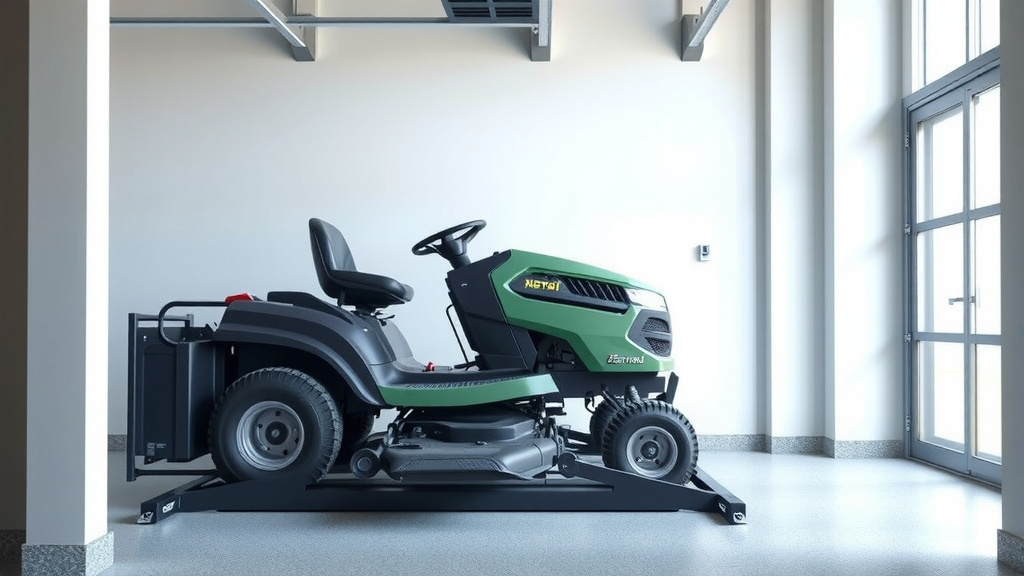
Building a lawn mower lift at home can save you money and make routine maintenance tasks, like blade sharpening or deck cleaning, much safer and easier to accomplish. You can construct a basic yet effective lift using common materials and tools, offering a stable way to elevate your mower.
A DIY lawn mower lift typically involves creating a sturdy ramp or a reinforced platform that securely raises the front or rear of your machine, allowing you better access to the underside for repairs and inspections.
TL;DR: Here’s what you need to know about building your own lawn mower lift:
- Building a lift boosts safety and ease for mower maintenance.
- Focus on sturdy materials like wood or steel for stability.
- Prioritize safety features like wheel chocks and secure anchoring.
- Simple designs, like ramps or reinforced frames, work best for DIY.
- Always double-check stability before working under your mower.
How To Build A Lawn Mower Lift?
To build a lawn mower lift, you’ll need to gather appropriate materials like sturdy wood or steel, measure carefully, and assemble components to create a stable structure that can safely elevate your machine. Prioritizing safety through design and construction is always key.
Why Bother with a DIY Mower Lift?
Ever tried to clean your mower deck or change a blade while kneeling awkwardly on the garage floor? It’s not just uncomfortable; it can be downright dangerous. Many lawn care enthusiasts like yourself often struggle with this task.
A good lawn mower lift makes those dirty jobs simple. It gets your mower up in the air, allowing you to work standing or sitting comfortably. This means less back strain and a much safer environment for maintenance (OSHA guidelines on lifting heavy objects stress proper equipment use, for example).
Safety First: Before You Start
Before you even grab a saw, think about safety. Your lawn mower is heavy, and gravity is unforgiving. We found that most DIY accidents happen when people rush or overlook basic precautions.
Always ensure your workspace is clear. Disconnect the spark plug wire to prevent accidental starts. And please, wear safety glasses and gloves. You only get one pair of eyes and hands!
What Type of Lift Are We Building?
There are many ways to lift a mower. Some people use elaborate hydraulic systems, but for a DIY project, we’re aiming for something simple and effective. Think of a strong ramp system or a reinforced platform.
This approach avoids complex mechanics, making it achievable for most homeowners. It’s like building a sturdy workbench, but for your mower instead of your woodworking projects.
Choosing Your Materials: Wood or Steel?
When you’re building a lift, your materials are critical. We found that sturdy wood, like pressure-treated 2x6s or 2x8s, is a popular choice for DIYers. It’s relatively inexpensive and easy to work with.
Steel offers more strength and durability, but it requires welding or specialized cutting tools. For a home project, wood is often the most practical choice. Just make sure it’s strong enough to support your mower’s weight.
Essential Tools You’ll Need
Don’t worry, you won’t need an entire fabrication shop. Most of these tools you probably already own:
- Measuring tape
- Circular saw or miter saw
- Drill and drill bits
- Screws (deck screws are excellent) or bolts
- Wrench set (if using bolts)
- Pencil
- Safety glasses and gloves
Planning Your Lift: Key Dimensions
Before cutting, measure your mower. You need to know its wheelbase (distance between front and rear axles) and its width. This helps ensure your lift is wide enough and long enough.
A good rule of thumb is to make your ramps or platform at least 12-18 inches wider than your mower for stability. Think about a safe working height too; you want access without overstretching.
Basic Wood Lift Design Idea
Imagine a sturdy A-frame or two parallel ramps joined by cross-braces. The goal is to lift one end of your mower, not the whole thing at once. Many experts say this approach is the safest for home builds.
This design creates a secure incline or elevated platform. It’s like building a mini bridge for your mower to drive onto, but with one side higher than the other.
Step-by-Step Assembly Guide (Simple Ramp Style)
Let’s walk through building a straightforward ramp-style lift. This design is robust and relatively simple.
Here’s a quick checklist to keep you on track:
- Cut all wood pieces to size.
- Assemble the side frames for each ramp.
- Attach top planks to create driving surface.
- Add sturdy cross-bracing for stability.
- Install wheel stops at the top of the ramps.
- Reinforce all joints with extra screws or metal plates.
Cutting the Wood Pieces
Start by cutting your 2×6 or 2×8 lumber. You’ll need two long pieces for the main ramp sides, several shorter pieces for cross-braces, and top planks for the driving surface. For example, if you want a 3-foot rise, your ramp pieces will be quite long.
Accuracy matters here. Uneven cuts can compromise the lift’s stability. Measure twice, cut once, as the old saying goes.
Assembling the Ramp Sections
Lay out your two long side pieces for one ramp. Attach the cross-braces between them using strong deck screws. We found that using two screws per joint significantly increases strength.
Repeat this for the second ramp. You’re essentially building two sturdy ladder-like structures. Remember to keep everything square.
Adding the Driving Surface and Supports
Now, attach your top planks across the ladder frames. These will be the surface your mower drives onto. Space them closely enough so your tires don’t slip through any gaps.
Consider adding a third “leg” or support under the highest point of each ramp for extra reinforcement. Many guidelines point to this as a good way to distribute weight (Building Code guidelines often recommend triangulation for support).
Securing and Finishing Touches
Once assembled, add wheel stops at the top of each ramp. These are crucial to prevent your mower from rolling off the elevated platform. A simple 2×4 bolted across the top works wonders.
You might also want to add anti-slip strips to the ramp surface. Your mower tires will grip better, reducing the chance of a slip during ascent or descent. Little details make a big difference.
Weight Considerations: How Much Can It Hold?
Always build your lift to exceed your mower’s weight. If your riding mower weighs 500 pounds, your lift should ideally support at least 750-1000 pounds. This gives you a critical safety margin.
Overbuilding slightly is a smart move. Think about the dynamic forces when driving onto the ramp, not just the static weight. Research often connects material strength with load capacity (Engineering principles).
Maintaining Your DIY Mower Lift
Just like your mower, your lift needs a little love. Periodically check all screws and bolts for tightness. Wood can warp or rot over time, especially if stored outdoors.
Look for any signs of cracking or weakness. A quick inspection before each use can prevent a nasty surprise. Many experts say that proper maintenance extends the life of any tool or structure.
| Feature | DIY Wood Lift | Commercial Steel Lift |
|---|---|---|
| Cost | Lower (materials only) | Higher (pre-made) |
| Complexity | Moderate (requires building) | Low (ready to use) |
| Weight Capacity | Good (with proper design) | Excellent (engineered) |
| Portability | Moderate (can be heavy) | Often good (foldable options) |
| Customization | High (build to specific needs) | Low (fixed design) |
Conclusion
Building your own lawn mower lift isn’t just a fun weekend project; it’s a smart investment in your safety and the longevity of your lawn equipment. By following simple steps and focusing on sturdy construction, you can create a reliable tool that makes routine maintenance a breeze. Remember to prioritize safety above all else, always double-checking your work before trusting your mower to the lift. With a little planning and effort, you’ll be tackling those underside tasks with confidence in no time.
What is the safest way to lift a riding lawn mower for maintenance?
The safest way to lift a riding lawn mower involves using a purpose-built lawn mower lift, whether commercial or a securely constructed DIY version, ensuring it’s on level ground, engaging the parking brake, and disconnecting the spark plug. Always use wheel chocks for added security.
Can I use car ramps for a riding lawn mower?
You can sometimes use car ramps for a riding lawn mower if the ramps are wide enough to accommodate the mower’s tires and have a sufficient weight capacity. However, ensure the angle isn’t too steep and that the mower’s chassis won’t bottom out on the ramps.
How high should a DIY lawn mower lift be?
A DIY lawn mower lift should ideally raise your mower high enough to provide comfortable access to the underside, typically around 18 to 24 inches. This height allows you to work without excessive bending or crawling, improving both safety and ease of access.
What materials are best for building a sturdy lawn mower lift?
For a sturdy DIY lawn mower lift, pressure-treated lumber (like 2x6s or 2x8s) is a popular and effective choice due to its strength and resistance to rot. Heavy-gauge steel is also excellent but requires more specialized tools for fabrication.
Are homemade lawn mower lifts really safe?
Homemade lawn mower lifts can be very safe if constructed correctly, prioritizing strong materials, proper joinery, and careful consideration of the mower’s weight and balance. Regular inspection and adherence to safety protocols during use are paramount to prevent accidents.
