
How To Build A Lawn Mower Pulling Tractor?
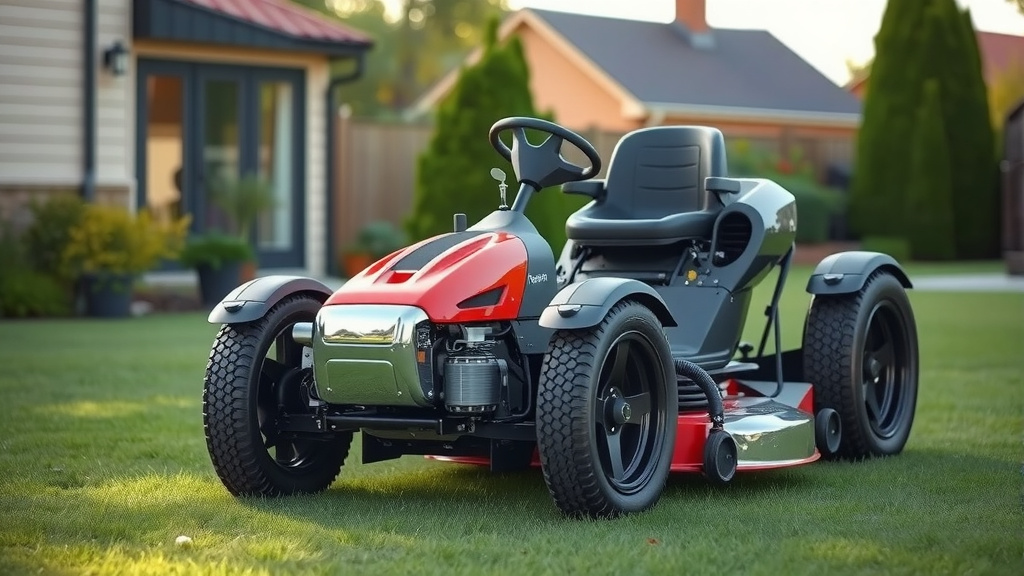
To build a lawn mower pulling tractor, you typically need to reinforce the frame, modify or strengthen the rear axle for pulling power, and add a sturdy hitch point. This transformation turns your standard rider into a robust pulling machine for garden carts or small trailers.
Focus on safety by checking brake systems and adding counterweights for stability, as pulling heavy loads significantly changes the vehicle’s dynamics and handling.
- Reinforce your existing lawn mower frame for added strength.
- Upgrade or modify the rear axle and transmission to handle increased loads.
- Install a strong, secure hitch point for attaching trailers or implements.
- Prioritize safety with brake checks, stability enhancements, and necessary protective gear.
- Gather essential tools and materials like metal stock, welding equipment, and fasteners before starting.
How To Build A Lawn Mower Pulling Tractor?
Building a lawn mower pulling tractor involves modifying a standard riding mower to handle heavier towing tasks, focusing on frame reinforcement and drivetrain upgrades. You’re essentially giving your mower a new purpose beyond cutting grass.
Why Transform Your Mower?
Perhaps your garden tasks are growing, and you need more than just a wheelbarrow. Maybe you’re moving firewood, hauling compost, or simply want a utility vehicle for your property. Converting your mower is often a cost-effective solution (Many experts say).
It’s also a deeply satisfying project, allowing you to create a custom tool. You’ll gain a versatile machine ready to tackle those heavier jobs around your yard without needing to buy a dedicated tractor.
Safety First: A Non-Negotiable Step
Before you even think about cutting metal, safety must be your top priority. Remember, you’re modifying a machine, and unexpected issues can arise. Always wear appropriate protective gear.
Never bypass safety features like kill switches or brake interlocks. We found that a thorough pre-build safety check prevents many future problems (National Safety Council).
Essential Safety Gear You’ll Need
- Safety Glasses or Goggles: Protect your eyes from sparks and debris.
- Heavy-Duty Gloves: Guard your hands during welding, grinding, and handling sharp metal.
- Ear Protection: Mowers and power tools can be loud; protect your hearing.
- Work Boots: Sturdy footwear with toe protection is crucial.
- Fire Extinguisher: Always have one nearby when welding or cutting metal.
Gathering Your Materials
Preparation is key to a smooth build. Knowing what you need beforehand saves trips to the hardware store and keeps your project on track. Think of it like assembling ingredients for a favorite recipe; you want everything ready to go.
Key Components for Your Build
You’ll likely need some of these core materials. They form the foundation of your new pulling machine. Consider buying materials that are strong and durable.
- Heavy-gauge steel angle iron or square tubing for frame reinforcement.
- Thick steel plate for hitch fabrication.
- High-strength bolts, nuts, and washers.
- Welding rods or wire.
- Additional counterweights (like old barbell plates or concrete blocks).
- Stronger tires or tire chains for improved traction.
Tools You Can’t Do Without
Having the right tools makes all the difference. While some specific tools may vary, a basic set is universal for this type of project. We found these tools to be universally helpful for modifications like this.
Here’s a look at common tools you’ll need, and why they’re important for your build:
| Tool | Why You Need It |
|---|---|
| Angle Grinder | Cutting metal, smoothing edges. |
| Welder (MIG or Stick) | Joining metal parts permanently. |
| Drill Press / Hand Drill | Creating precise holes for bolts. |
| Socket/Wrench Set | Disassembly and reassembly of parts. |
| Measuring Tape/Ruler | Accurate measurements for cuts. |
Step-by-Step Build Guide
Now, let’s get into the nitty-gritty of making this happen. Remember, patience and precision are your best friends here. You want to make sure each step is done right for longevity.
Prepping Your Mower Base
First, remove the mowing deck. It’s simply not needed for a pulling tractor and often gets in the way. Disconnect any associated belts or linkages, making sure to store them if you ever plan to convert it back to a mower. Clean the underside thoroughly.
Strengthening the Frame
A stock lawn mower frame isn’t built for heavy pulling, so reinforcement is a must. You’ll want to weld or bolt additional steel angle iron or square tubing to the existing frame, especially around the rear axle and engine mounting points. This creates a much more robust structure.
Fabricating the Hitch System
The hitch is where the pulling power connects. Design a sturdy hitch plate from thick steel, bolting or welding it directly to your reinforced frame. Ensure it sits at an appropriate height for what you’ll be towing. A simple ball hitch or a clevis hitch can work, depending on your needs. Make it strong and easily accessible.
Upgrading the Drivetrain
While not always necessary for light pulling, if you plan on significant loads, consider reinforcing your rear axle. Some builders upgrade to stronger axles or modify the existing one. For heavy-duty use, we found that sometimes a transmission fluid cooler can help prevent overheating (SAE International research suggests).
Enhancing Traction and Stability
Weight distribution is crucial for traction and avoiding wheelies. Add counterweights to the front of the mower to balance the load you’ll be pulling from the rear. Filling tires with fluid or adding wheel weights can also dramatically improve grip. Stronger, more aggressive tires are also a good idea for better ground contact.
Electrical Modifications
Basic electrical components might include adding headlights for evening work or a sturdy switch for accessory lights. Always ensure all wiring is properly insulated and secured. You might also want to install a master kill switch for emergencies, adding an extra layer of safety.
First Test Run: What To Look For
The moment of truth! Don’t just hook up a heavy load right away. Do a few empty runs and then gradually increase the weight. This is your chance to spot any weaknesses or issues. Check for strange noises and smells.
Here’s a quick checklist for your initial test:
- Check Brakes: Do they stop the mower effectively with increasing weight?
- Inspect Hitch: Is it holding firm and showing no signs of stress?
- Listen to Engine: Is it straining excessively or running smoothly under load?
- Feel Steering: Does the added weight affect steering control?
- Monitor Stability: Is the mower stable, or does it feel like it wants to tip?
Common Challenges and Quick Fixes
Every project has its hiccups. Don’t get discouraged if something doesn’t work perfectly the first time. It’s all part of the building process. Many challenges have straightforward solutions.
Weight Distribution Woes
If your front wheels lift when pulling, you need more front counterweight. This is a common issue with modified mowers. Adding weights like old barbell plates or concrete blocks to the front bumper can easily solve this, providing better balance and steering control.
Steering Stiffness
Heavy front weights can make steering tougher. Check your steering linkages for any binding or wear. Sometimes, simply adjusting the tire pressure can help, or you might need to reinforce steering components if they’re flexing too much under the new load. You want responsive and smooth steering.
Conclusion
Building a lawn mower pulling tractor is a rewarding project that transforms a humble grass-cutter into a versatile workhorse. By carefully reinforcing the frame, upgrading key components, and prioritizing safety at every turn, you can create a powerful machine tailored to your needs. It’s about empowering yourself with the right tool for the job, built by your own hands. Remember to take your time, double-check your work, and enjoy the satisfaction of seeing your creation in action.
What kind of lawn mower is best for converting into a pulling tractor?
Riding lawn mowers with a sturdy steel frame and a strong engine (typically 15 HP or more) are generally best. Models with a hydrostatic transmission can also be good, but check their weight capacity ratings.
Do I need to weld to build a pulling tractor?
While welding offers the strongest and most permanent modifications, some builders use heavy-duty bolting with thick steel plates and angle iron for frame reinforcement and hitch attachment. However, welding is often recommended for maximum strength.
How much weight can a converted lawn mower pulling tractor pull?
The pulling capacity varies greatly depending on the original mower’s engine, transmission, and how thoroughly you reinforce the frame and drivetrain. A well-modified mower might pull a few hundred pounds, but always test gradually and never exceed what feels safe and controlled.
Are there legal restrictions for modifying a lawn mower in this way?
Generally, for private property use, there are no specific laws preventing such modifications. However, operating a modified machine on public roads or property might be restricted, so always check local regulations if that’s your intention. Safety is paramount regardless of location.
Can I still mow with my lawn mower after converting it to a pulling tractor?
While technically possible to reattach a deck, the modifications for pulling often make it impractical or significantly reduce mowing efficiency. It’s usually best to commit to one primary function after such extensive changes to your machine.
