
How To Build A Snow Plow For Lawn Mower?
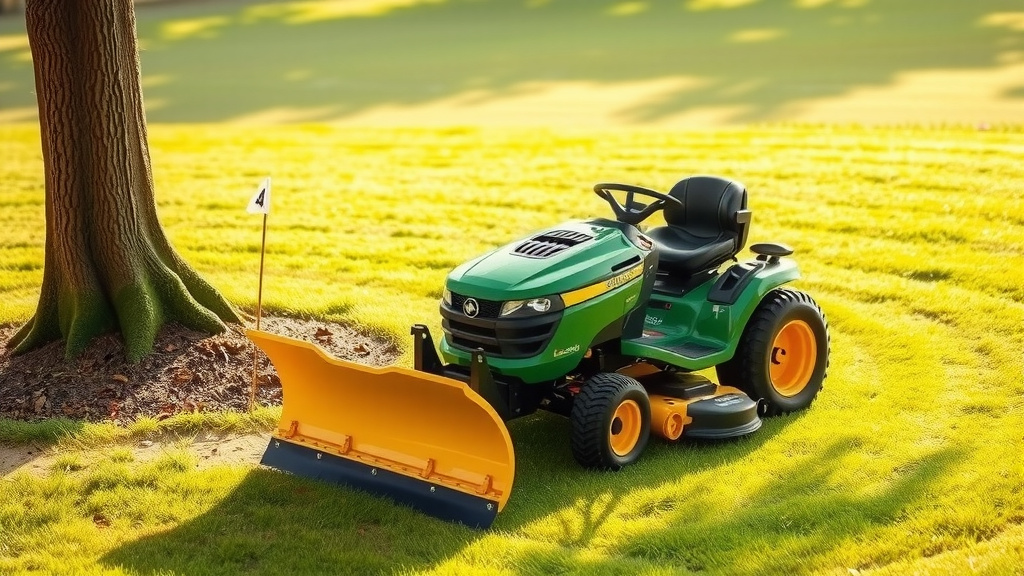
Yes, you can build a snow plow for a lawn mower, transforming your yard tractor into a useful snow removal machine for lighter snowfalls. This DIY project typically involves fabricating a blade and a mounting system that attaches to your mower’s existing frame.
Building a snow plow for your lawn mower requires careful planning, selecting the right materials, and focusing on safety to ensure it operates effectively without damaging your equipment or causing injury.
-
Transform your lawn mower into a snow plow for light snow duties.
-
Gather essential tools and materials like sheet metal, angle iron, and mounting hardware.
-
Prioritize safety measures, including proper blade angling and secure attachment.
-
Expect to spend a weekend on this project, adjusting for your specific mower model.
-
This DIY solution is ideal for saving money compared to buying a dedicated snow blower.
How To Build A Snow Plow For Lawn Mower?
You can build a snow plow for your lawn mower by creating a durable blade and a secure mounting frame. This setup allows your mower to push snow, offering a cost-effective alternative to buying separate equipment.
Why Consider Building Your Own Plow?
Thinking about tackling winter snow? A DIY snow plow can save you a lot of money. Instead of buying a new snow blower or a costly plow, you use what you already own. It’s a smart way to get more use from your lawn mower.
Many homeowners find a custom plow fits their specific needs better. You control the design and materials. This means you can tailor it perfectly for your yard and typical snow conditions.
Is Your Lawn Mower Up to the Task?
Not every lawn mower is a good candidate for a snow plow. You’ll need a robust riding mower or a garden tractor. Smaller lawn tractors might struggle, especially with heavy snow.
We found that mowers with at least 15 horsepower usually work best. They have the power needed to push snow. Check your mower’s manual for its towing or attachment capacity before you start.
Essential Tools You Will Need
Gathering the right tools before you start is a game-changer. You’ll need a welder for metal fabrication. A drill, angle grinder, and measuring tape are also key. Don’t forget safety gear, like gloves and eye protection.
Having these tools ready makes the project smoother. It saves you trips to the hardware store. Think of it like cooking; you prep all your ingredients first.
Choosing the Right Materials for Your Plow
Selecting strong materials is vital for a lasting snow plow. We found that 1/8-inch thick sheet steel works well for the blade. For the mounting frame, angle iron provides excellent support.
You will also need bolts, nuts, and perhaps some heavy-duty springs. These parts will help with attaching the blade and allowing it to “trip” over obstacles. A rubber cutting edge can also protect your driveway.
Designing Your Plow Blade and Mount
The design stage is where your ideas take shape. You need a blade that is wider than your mower. This helps push snow effectively, preventing it from getting under your tires.
The mounting system needs to connect to your mower’s frame. Many experts recommend attaching it to the front axle or a sturdy crossbar. This provides a stable point for pushing heavy loads.
Plow Blade Specifications
-
Blade Width: At least 6-12 inches wider than your mower’s tires.
-
Blade Height: Around 18-24 inches to handle deeper snow.
-
Material: 1/8-inch sheet steel or stronger for durability.
-
Cutting Edge: A replaceable rubber strip can extend the blade’s life.
Step-by-Step Plow Construction Guide
Ready to build? Let’s walk through the steps. Remember, safety first!
Fabricating the Plow Blade
First, cut your sheet steel to the desired blade size. You can add a slight curve to the blade if you want snow to roll more efficiently. Many people prefer a flat blade for simplicity. Weld a sturdy reinforcement bar across the top edge for strength.
Building the Mounting Frame
Next, create the A-frame or straight bar mounting system. This attaches to the plow blade and then to your mower. Ensure the frame is rigid enough to handle the pushing force. We found that angle iron provides stability.
Attaching the Lift Mechanism
You will need a way to lift and lower the plow blade. A simple winch system or a manual lever works well. Some designs connect to the mower’s existing deck lift mechanism. This makes raising the blade much easier.
Installing the Pivot and Trip Springs
A pivot allows you to angle the blade left or right. This helps direct the snow where you want it. Trip springs are also important. They let the blade “trip” forward if it hits an obstacle, protecting your mower and the plow.
Table: Common Plow Materials & Their Uses
Choosing the right materials helps your plow last longer and perform better.
| Material | Primary Use | Benefits |
|---|---|---|
| Sheet Steel (1/8 inch) | Plow Blade | Strong, durable, easy to weld |
| Angle Iron | Mounting Frame | High rigidity, structural support |
| Heavy-Duty Bolts & Nuts | Connections | Secure fastening, resists vibration |
| Rubber Cutting Edge | Blade Bottom | Protects driveways, replaceable |
| Springs (Coil or Extension) | Trip Mechanism | Absorbs impact, prevents damage |
Testing Your New Snow Plow
Once built, test your plow thoroughly. Start with a light dusting of snow or even just loose dirt. Check all connections for tightness. Make sure the blade lifts and lowers smoothly.
Observe how your mower handles the weight and stress. Adjust the blade angle and height as needed. We often recommend a few dry runs before the first big snowfall.
Safety Considerations for Operation
Operating any machinery requires caution, and a snow-plowing mower is no different. Always wear safety glasses and hearing protection. Ensure bystanders, especially children, stay clear of the work area.
Never operate the plow on steep inclines. The added weight can make your mower unstable. Go slow, especially when reversing. Remember, you’re pushing heavy snow, not just cutting grass.
Maintenance Tips for Your DIY Plow
After each use, clean off any snow and ice from the blade and frame. A quick spray of WD-40 or a similar lubricant on moving parts prevents rust. Check bolts and welds regularly.
Many experts say to store your plow in a dry place during the off-season. This prevents corrosion and keeps it ready for the next winter. Proper maintenance extends the life of your creation.
Checklist: Before the First Snowfall
Use this quick list to make sure you’re ready.
-
Mower tires have good tread for traction.
-
All plow bolts are tightened securely.
-
Blade lifts and lowers without sticking.
-
Pivot mechanism moves freely.
-
Engine oil and fuel levels are topped off.
-
Safety gear is easily accessible.
Conclusion
Building a snow plow for your lawn mower is a rewarding project. It offers a practical and budget-friendly way to manage winter snow. With careful planning, the right materials, and a focus on safety, you can transform your mower into a versatile snow-clearing machine. Enjoy the satisfaction of a job well done and a clear driveway, knowing you built it yourself.
Can a regular lawn mower handle plowing heavy snow?
Generally, a regular lawn mower is not suitable for heavy, wet snow. It’s designed for lighter snowfalls, typically up to 6-8 inches. Heavy snow requires more powerful engines and heavier-duty transmissions, which most lawn mowers lack.
What kind of tires do I need for plowing snow with a lawn mower?
For better traction when plowing snow, you will want to use heavy-duty lug tires or install tire chains. Standard lawn mower tires often slip easily on snow and ice, reducing your pushing power.
How do I protect my driveway from plow damage?
To protect your driveway, attach a replaceable rubber cutting edge to the bottom of your plow blade. This soft edge prevents scratching and gouging. You should also adjust the blade height to ride slightly above the driveway surface.
What is a “trip spring” on a snow plow, and why do I need it?
A trip spring allows the plow blade to pivot forward when it hits an obstacle like a curb or hidden rock. This mechanism protects the plow, the mower, and the operator from sudden impacts, preventing damage and potential injury.
Can I use a zero-turn mower with a DIY snow plow?
Attaching a snow plow to a zero-turn mower is challenging and often not recommended. Zero-turns are not typically designed for pushing heavy loads, and their steering mechanism can be difficult to control with a plow attached. Traditional riding mowers or garden tractors are usually better choices.
