
How To Change Inner Tube On Lawn Mower?
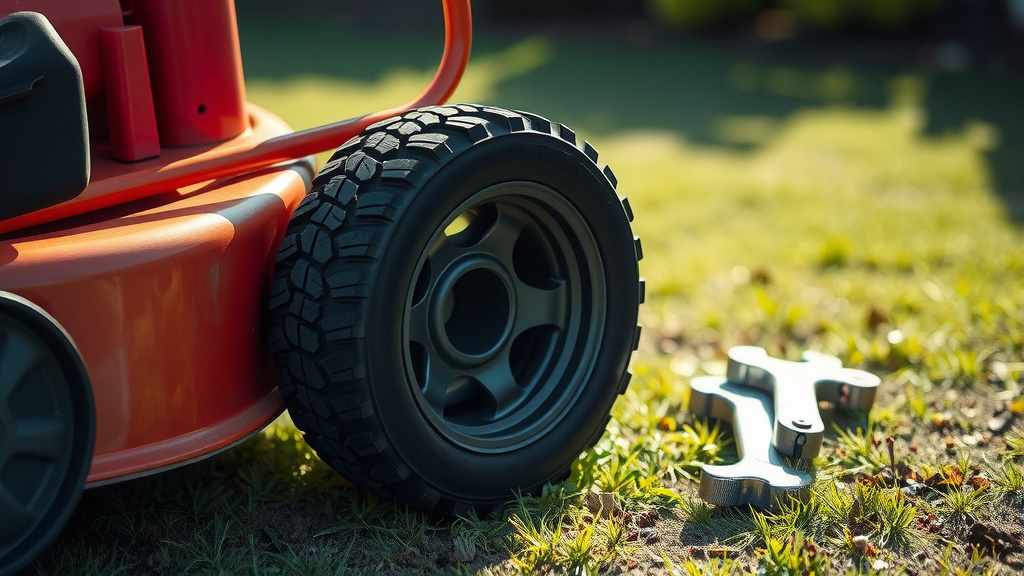
To change an inner tube on your lawn mower, first remove the wheel, then carefully break the tire bead and pry the tire off the rim to access the old tube. Once removed, inspect the tire for punctures, install a new, slightly inflated inner tube, and remount the tire onto the rim.
Proper inflation and careful technique are key steps when you change inner tube on your lawn mower to prevent pinching the new tube or damaging the tire. Always follow safety precautions and manufacturer guidelines for the best results.
- You will need basic hand tools and a new inner tube for the repair.
- Always disconnect the spark plug for safety before starting any work.
- The toughest part is usually breaking the tire bead and prying the old tire off.
- Inspect the tire thoroughly for debris that caused the initial puncture.
- Inflate the new tube slightly before installation to prevent pinching it.
How To Change Inner Tube On Lawn Mower?
Changing an inner tube on your lawn mower tire involves carefully removing the wheel, dismounting the tire, replacing the damaged tube, and then reassembling everything. It is a practical skill that can save you time and money.
This process might seem daunting at first, but with a few tools and a bit of patience, you can get your mower back in action. Think of it like a bicycle tire, just a bit bigger and tougher.
Why Does Your Lawn Mower Tire Go Flat?
Lawn mower tires can go flat for a few common reasons. Often, you might have a puncture from a sharp object like a thorn or a nail in the yard.
Sometimes, the valve stem itself can fail, leading to slow leaks. We have found that general wear and tear, or even just sitting unused for long periods, can also cause tires to lose air (Purdue Extension).
Spotting a Flat: More Than Just a Hiss
A completely flat tire is easy to spot, but subtle leaks are trickier. You might notice your mower pulling to one side or uneven cutting.
A visual inspection can reveal obvious damage, but checking the tire pressure with a gauge is always a good idea. Many experts say that checking tire pressure before each use can prevent many issues.
Gathering Your Tools: A Handy Checklist
Before you begin, make sure you have everything ready. This prevents frustrating pauses during the repair.
Having the right tools makes the job much smoother. Imagine trying to bake a cake without all your ingredients; it just doesn’t work.
- New inner tube (correct size for your tire)
- Tire irons or large screwdrivers (at least two)
- Wrench or socket set (for lug nuts)
- Air compressor or bicycle pump
- Valve stem removal tool
- Soapy water in a spray bottle
- Rag or brush for cleaning
- Blocks or jack stands for support
- Gloves (optional, but recommended)
Safety First: Preparing for the Repair
Your safety is the most important thing. Always disconnect the spark plug wire from the spark plug.
This prevents the engine from accidentally starting while you are working near the blades. Also, ensure your mower is on a flat, stable surface before you lift it.
Getting Your Hands Dirty: Removing the Wheel
Start by loosening the lug nuts on the flat tire while the mower is still on the ground. Then, carefully lift the mower side with the flat tire using a jack or by tilting it.
Many people find that using sturdy blocks or jack stands provides the best stability. Once lifted, remove the lug nuts completely and take the wheel off the axle.
Deflating and Detaching the Old Tire
First, remove the valve stem cap and use your valve stem tool to take out the core. This lets all the air escape quickly.
Next, you need to “break the bead,” which means separating the tire edge from the rim. You can sometimes do this by pressing down firmly on the tire or using a specialized bead breaker tool.
Working the Tire Off the Rim
With the bead broken, use your tire irons to carefully pry one side of the tire over the rim. We found that working slowly around the rim helps prevent damage.
Once one side is off, it becomes easier to reach inside and pull out the old, punctured inner tube. Take your time with this step, as forcing it can scratch the rim or damage the tire itself.
Inspecting the Inner Tube and Tire
After removing the old tube, check the inside of the tire thoroughly. Run your hand carefully along the inner surface to feel for any sharp objects that might have caused the puncture.
Research often connects repeated flats to overlooked debris (Tire Industry Association). Clean out any dirt or gravel that has accumulated inside the tire. This step is critical for preventing future flats.
Prepping Your New Inner Tube for Installation
Before inserting the new tube, inflate it just slightly. This gives it some shape and makes it easier to position.
Make sure the valve stem of the new tube is aligned with the valve stem hole on the rim. A little air helps prevent it from twisting or getting pinched during installation.
The Tricky Part: Installing the New Tube
Carefully push the slightly inflated inner tube into the tire. Guide the valve stem through its hole in the rim.
This is where you need to be very gentle. Many experts say that pinching the new tube between the tire bead and the rim is the most common mistake. Double-check its position before putting the tire back on the rim.
Remounting the Tire on the Rim
To remount, apply a bit of soapy water to the tire beads and the rim edge. This acts as a lubricant and helps the tire slide on easily.
Start by pushing one side of the tire bead over the rim. Then, use your tire irons to gently work the second bead over, taking care not to pinch the new tube (Mower Parts Guide).
Inflating the Tire: The Right Pressure Matters
Once both tire beads are seated, reinsert the valve stem core. Begin inflating the tire slowly with your air compressor or pump.
Listen for the “pop” sounds as the beads fully seat against the rim. Check your mower’s manual or the tire’s sidewall for the correct PSI. Over-inflating can cause damage or even a blowout.
Reattaching the Wheel and Final Checks
Mount the repaired wheel back onto the axle. Hand-tighten the lug nuts, then lower the mower to the ground.
Tighten the lug nuts securely with your wrench, following a star pattern for even pressure. Finally, reconnect the spark plug wire. Give your tire a final visual check for any wobbles or uneven inflation.
When to Consider Professional Help
Sometimes, a tire might be too stubborn to remove, or you might lack the specific tools. If the tire bead simply won’t break, or if you keep pinching new tubes, it is okay to call a professional.
Lawn mower repair shops have specialized equipment that can make quick work of even the most difficult tires. Don’t feel bad about seeking assistance; we all have our limits.
Inner Tube vs. Tubeless Tire: What’s the Difference?
Understanding the distinction between these tire types can help you with future repairs and maintenance. Many lawn mowers use tubeless tires now, but older models or specific heavy-duty tires still use inner tubes.
Each type has its own characteristics for performance and repair. We found that the main difference lies in how they hold air (Tractor Supply Co.).
| Feature | Inner Tube Tire | Tubeless Tire |
|---|---|---|
| Air Retention | Inner rubber tube holds air | Tire body and rim form airtight seal |
| Puncture Repair | Replace inner tube | Plug or patch the tire itself |
| Complexity of Repair | More involved; dismounting tire needed | Often simpler; can be patched without removal |
| Common Use | Older mowers, some garden tractors | Modern mowers, most automotive tires |
Conclusion
Changing an inner tube on your lawn mower tire is a practical skill that helps keep your yard work on schedule. It might seem a little intimidating initially, but with the right tools and a step-by-step approach, you can successfully tackle this repair.
Remember to prioritize safety, work patiently, and always double-check your work. You are not just fixing a tire; you are empowering yourself with a valuable maintenance skill. Go get that lawn mowed!
FAQs
How do I know what size inner tube to buy for my lawn mower tire?
You can find the correct inner tube size printed on the sidewall of your existing tire. Look for numbers like “13×5.00-6” or similar, which indicate the tire diameter, width, and rim size. Match these numbers precisely when buying a new tube.
Can I patch a lawn mower inner tube instead of replacing it?
Yes, you can often patch a small puncture on a lawn mower inner tube using a standard bicycle tire repair kit. However, many experts suggest that for larger tears or multiple punctures, replacing the tube entirely is a more reliable and lasting solution for lawn mower tires, given the rough terrain they encounter.
What if I can’t break the tire bead?
Breaking a stubborn tire bead can be tricky. You might need to add more lubricant (soapy water) and apply more pressure. Standing on the tire sidewall or using a C-clamp can sometimes help. If it still won’t budge, specialty bead breaker tools are available, or it might be time to visit a professional.
How much air pressure should I put in my lawn mower tires?
The correct tire pressure for your lawn mower is typically found in your owner’s manual or printed on the tire’s sidewall. Pressures usually range from 10 to 20 PSI, but always follow the manufacturer’s specific recommendations to ensure proper cutting and machine operation.
Is it better to replace both inner tubes if one goes flat?
Generally, you only need to replace the inner tube that has gone flat. Unless the other tube is showing signs of wear, dry rot, or repeated air loss, there is no immediate need to replace it. However, it’s always a good idea to inspect all tires and tubes regularly for wear and tear.
