
How To Improve Lawn Mower Suction?
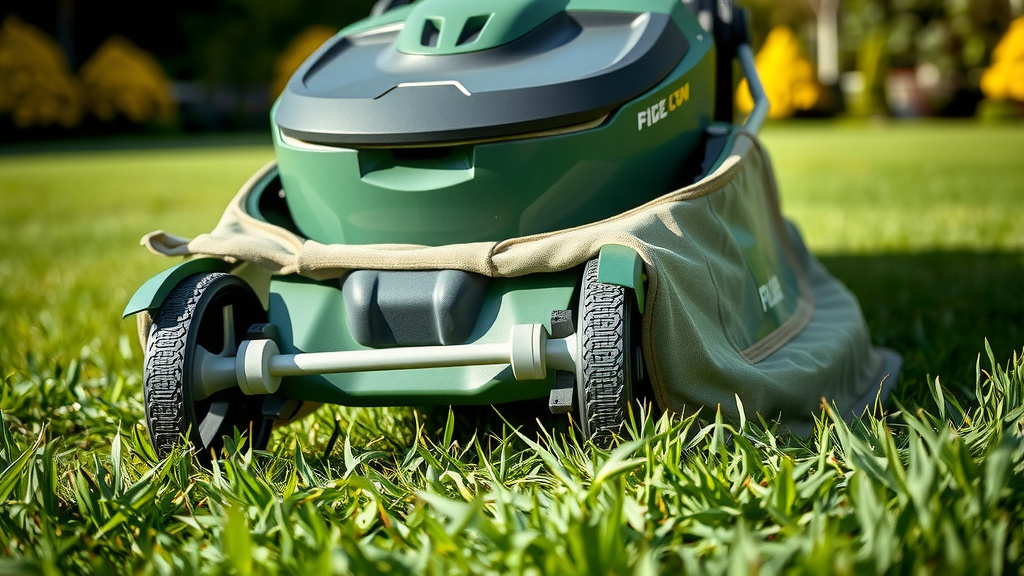
Improving lawn mower suction primarily involves maintaining sharp blades, keeping the mower deck clean, and ensuring the grass bag or discharge chute is clear. A clean engine air filter also plays a vital role in engine performance, directly impacting how well your lawn mower pulls grass upwards for a neat cut.
Proper lawn mower suction is key to achieving a clean, even cut and prevents grass clumps, making your lawn look healthier. Neglecting these areas can lead to frayed grass blades and an overall unkempt appearance.
Here’s a quick rundown of how to get your mower sucking like a champ:
- Sharpen those blades: Dull blades just tear, they don’t lift and cut.
- Clean under the deck: Built-up grass goo chokes airflow.
- Clear the bag/chute: Blockages stop grass from going where it should.
- Check engine health: A strong engine means strong vacuum.
- Adjust mowing height: Sometimes, it’s about giving the mower a fighting chance.
How To Improve Lawn Mower Suction?
To improve lawn mower suction, you’ll want to focus on ensuring your blades are sharp, the mower deck is free of debris, and the bagging or discharge system is unobstructed. These steps will directly enhance the airflow needed for effective grass lifting and cutting.
Why Is Good Suction So Important Anyway?
Imagine trying to vacuum a carpet with a weak vacuum cleaner; you’d miss a lot, right? Your lawn mower is similar. Good suction, often called “lift,” pulls grass blades upright just before the blade cuts them. This ensures an even, clean cut across your entire lawn (Purdue Extension). Without it, you get uneven strips, missed blades, and a ragged appearance that shouts, “I tried, but my mower didn’t!”
Common Culprits Behind Poor Suction
If your mower isn’t sucking up grass like it used to, there’s usually a clear reason. Think of it like a detective story, where you’re looking for clues. We found that most suction issues stem from a few primary areas. Let’s look at the usual suspects.
Dull Blades are a Big No-No
This is often the number one reason for poor suction and a poor cut. A sharp blade creates a vortex, like a mini tornado, pulling grass upward. A dull blade, on the other hand, just pushes and tears. It’s like trying to cut paper with a butter knife – you just fold it over. Many experts say dull blades fray grass, inviting disease (University of Georgia).
Dirty Deck, Dirty Job
Underneath your mower’s deck, grass clippings, dirt, and moisture can build up. This sticky mess chokes the airflow around the blade. Think of it as putting a blanket over your vacuum cleaner’s intake. The more buildup, the less air moves, and the less lift your mower can generate. This impacts performance significantly, we found.
Clogged Bag or Chute
If your grass bag is overflowing or the discharge chute is packed with wet clippings, where’s the grass supposed to go? A blockage here creates a back-pressure, stopping air from circulating properly. This directly reduces the vacuum effect your mower relies on to lift and propel clippings (Ohio State University Extension).
Engine Power Problems
While not directly about suction mechanics, a struggling engine means the blade isn’t spinning at optimal speed. If your engine isn’t running strong, it won’t be able to create that powerful lift. A dirty air filter or old spark plug can often be the reason for an engine that’s lacking its usual oomph. This is less common but worth a quick check.
Immediate Steps to Boost Your Mower’s Suction
Ready to get your lawn mower performing its best? Let’s dive into some practical steps you can take right now. These actions are straightforward and usually don’t require special tools.
Sharpening Your Blades: The First Commandment
Seriously, this is a game-changer. You might be surprised how much better your mower performs with a freshly sharpened blade. You can remove the blade yourself and take it to a professional, or if you’re handy, sharpen it at home with a file or grinder. Just remember to balance it afterward to prevent vibrations.
Giving Your Mower Deck a Deep Clean
After each use, take a moment to scrape away clippings from under the deck. A putty knife or a paint scraper works wonders. For tougher buildup, a stiff brush and some water can help. Make sure the mower is unplugged or the spark plug wire is disconnected for safety. We found that regular cleaning prevents hard buildup.
Here’s a quick checklist for a clean deck:
- Disconnect spark plug for safety.
- Tilt mower on its side (carburetor up if gas).
- Scrape off loose, dry grass with a tool.
- Use a wire brush for stubborn grime.
- Rinse with a hose if needed, then dry thoroughly.
Optimize Your Bagging System
Always empty your grass bag before it gets too full. A full bag impedes airflow and reduces lift. If you have a side discharge chute, make sure it’s clear of obstructions. Sometimes, even a slightly damp bag can reduce airflow, so a dry bag is often more efficient for collection.
Adjusting Mowing Height
Mowing too low can sometimes strain your mower, especially in thick grass. When the deck is too close to the ground, it can restrict airflow. Try raising your mowing height a notch. This can give the mower more room to create lift and prevent bogging down, leading to a cleaner cut and better suction (University of California Agriculture and Natural Resources).
Advanced Tips for Lasting Suction Power
Once you’ve tackled the immediate fixes, consider these longer-term strategies. These can make a big difference in maintaining excellent suction over time.
Blade Type Matters
Did you know there are different types of mower blades? High-lift blades are specifically designed with more aggressive angles to create maximum airflow, ideal for bagging. Mulching blades, conversely, have more curves to chop grass into finer pieces and are not as good at lifting. Choosing the right blade for your needs is important.
| Blade Type | Primary Function | Suction Level | Best For |
|---|---|---|---|
| Standard | General cutting & discharge | Medium | Everyday lawn care |
| High-Lift | Maximize grass lifting for bagging | High | Bagging systems, dense grass |
| Mulching | Chop clippings finely, return to lawn | Lower | Fertilizing lawn, no bagging |
| 3-in-1 | Versatile for bagging, mulching, discharge | Medium-High | All-around use, adaptable |
Engine Maintenance & Airflow
A healthy engine translates to a powerful blade spin. Regularly check and clean your air filter; a dirty one chokes the engine of air. Change your spark plug as recommended. Proper engine tune-ups ensure the blade spins fast enough to create the necessary lift, a crucial part of consistent suction performance (Briggs & Stratton). We found these small steps can prevent bigger issues.
Consider Your Mowing Schedule
Mowing wet or excessively tall grass challenges any mower. Wet grass clogs the deck and chute quickly, reducing airflow. Very tall grass can overwhelm the mower’s ability to lift and cut effectively. Aim to mow when the grass is dry and stick to a regular schedule to maintain a manageable height. This allows your mower to perform at its peak.
The Right Mower for the Job
Sometimes, despite all your best efforts, your mower might just not be powerful enough for your lawn. If you have a large, dense lawn and are using a small, underpowered mower, you might always struggle with suction. Investing in a mower with a larger engine or a deck designed for better airflow could be the ultimate solution for superior cutting and lift.
Conclusion
Improving your lawn mower’s suction is truly about consistent care and attention to detail. It’s not a magic trick, but a combination of practical steps. By keeping your blades sharp, your deck clean, and your engine well-maintained, you’ll ensure your mower consistently delivers the powerful lift needed for a perfectly manicured lawn. Think of it as giving your mower the best chance to do its job, and it will reward you with a lawn that looks professionally maintained.
How often should I sharpen my lawn mower blade?
Many experts recommend sharpening your lawn mower blade at least once per mowing season, or every 20-25 hours of operation. If you frequently mow sandy areas or encounter debris, you might need to sharpen it more often to maintain optimal suction and a clean cut.
Can bagging too much wet grass affect suction?
Yes, absolutely. Wet grass is heavier and sticks together, quickly clogging the mower deck and the bagging chute. This dramatically reduces airflow, which is essential for good suction. It’s always best to mow when your grass is dry.
Does engine RPM affect lawn mower suction?
Indeed. The blade’s rotational speed, directly linked to engine RPM, generates the lift (suction). If your engine is running at a lower RPM than intended due to maintenance issues like a dirty air filter or old spark plug, the blade won’t spin fast enough to create strong suction.
Is there a specific way to clean the underside of the mower deck?
For safety, always disconnect the spark plug wire first. Then, tilt the mower onto its side (carburetor side up for gas mowers to prevent fuel leakage). Use a sturdy scraper or brush to remove dried grass and debris. Some people use a hose for a quick rinse, but ensure the deck dries completely to prevent rust before storing.
Should I use a different blade type for better suction if I always bag my clippings?
Yes, if you primarily bag your clippings, switching to a high-lift blade can significantly improve suction. High-lift blades are designed with more pronounced “wings” that create a stronger vacuum effect, pulling grass up more effectively into the bag compared to standard or mulching blades.
